Introduction
During the first 18 months of President Trump’s second term, nearly one million individuals were deported from the United States. Most were sent back to their countries of origin, but approximately 25,000 were directed to ‘third countries,’ places where they had no previous ties.
Third-Country Deportations: Legal But Uncommon
Third-country deportations happen when individuals are sent to countries that are neither the U.S. nor their homeland. Such deportations have legal backing and have occurred under past administrations, though not at this scale. For instance, Iranians were deported to Panama, and Cubans to the Central African Republic. This operation raises concerns about the safety and well-being of the individuals involved.
The Case of Moussa Diawara
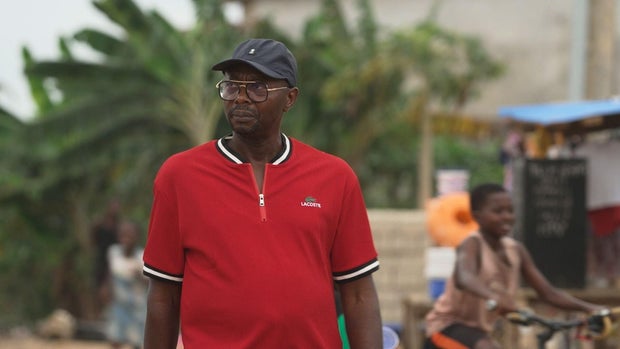
Moussa Diawara’s experience is a striking example of these deportations. Having resided in the U.S. for 25 years without any criminal record, he faced deportation under the Trump administration’s policies. Detained without access to legal counsel for three weeks, he was deported to Ghana, despite a U.S. judge’s earlier ruling prohibiting his return to Mali due to fears of persecution.
Upon arriving in Ghana, Diawara and others were detained and deprived of communication facilities. Within days, he was forcibly transferred to Mali, where he feared for his safety.
“I tell them, ‘This is kidnapping. You guys kidnapped us.'” – Moussa Diawara
U.S. Government’s Role
DHS officials claim countries like Ghana provide diplomatic assurances regarding deportees’ safety. However, evidence suggests Ghana returns individuals to their countries of origin, counter to U.S. court rulings. A lawsuit last year warned the U.S. about Ghana’s practices, leading critics to accuse the U.S. of ignoring these violations.
James Percival, DHS lawyer: “Third-country removals have stopped crimes and kept Americans safer… They’re misconceived.”
Public Safety Versus Individual Rights
DHS argues that deporting individuals to third countries was a measure for public safety, although the proportion of deportees with violent criminal records remains unclear. Of the people on Diawara’s flight, only 19% had criminal charges or convictions, while the rest had minor infractions or clean records.
Legal Challenges
A federal appeals court recently upheld a ruling declaring the third-country deportation policy “unlawful,” emphasizing due process violations. The Supreme Court will review the case in December, yet deportations continue in the interim.
Family Impact
Meanwhile, Diawara’s family awaits his return. His wife works as a registered nurse, and his children express the void left by his absence. The emotional toll on the family is immense.
Corey: “It feels really empty without him.”
Barbara Johnson: “I’m trying to be strong for them, because they need me.”
Conclusion
Moussa Diawara’s ordeal sheds light on the complexities and consequences of third-country deportations. His case raises questions about the humane application of immigration policies, prompting ongoing legal and ethical debates.
Produced by 60 Minutes team: Andy Court, Annabelle Hanflig, and Camilo Montoya-Galvez.
 Lil’ Trick-or-Reading Event at Vernon Area Public Library
 Judge Rules West Point’s Faculty Speech Limits Unconstitutional
 Vice President JD Vance’s Enthusiasm for the Cincinnati Bengals
 Southwest U.S. Faces More Rain and Flood Risks
 Six Flags to Enhance Safety on Roller Coasters After Fatal Incident
 U.S. Government Investigates Unidentified Anomalous Phenomena