
To enhance the returns on your savings, selecting an appropriate interest-bearing deposit account is essential. Currently, interest rates on these accounts have been reasonable, although they haven’t reached the peaks observed a few years ago. There’s potential for change, as there’s speculation about the Federal Reserve increasing interest rates. According to the CME Group’s FedWatch Tool, there’s a 30% likelihood of a rate hike in September, and nearly a 45% chance in October.
A hike by the Fed could improve interest rates on savings products such as high-yield savings accounts and money market accounts. But which account would be preferable to benefit more from potential Fed decisions? Experts weigh in on the matter.
Why Consider a Money Market Account Before a Fed Rate Hike
The main distinction between money market accounts and high-yield savings accounts lies in the accessibility of funds. High-yield accounts generally restrict how and how often you can withdraw funds. In contrast, money market accounts typically offer more flexibility, allowing more transactions and usually providing a debit card or checkbook.
“If you aim to manage cash — spending or moving it frequently — while earning interest, a money market account could be the best option,” explains Alastair Wood, CEO of Raisin. This flexibility can be advantageous if the Fed raises rates since, along with interest, rising inflation and consumer prices are expected.
A money market account could help you earn interest while accessing your funds easily, aiding in handling rising prices. A’jha Tucker from Georgia’s Own Credit Union agrees, suggesting it suits those wishing to earn interest while retaining on-demand access to their funds.
Why Choose a High-Yield Savings Account Before a Fed Rate Hike
On the flip side, high-yield savings accounts might provide a more pronounced impact from Fed rate changes. Both account types adjust interest rates post-rate moves, but high-yield savings accounts generally offer slightly higher rates.
“The interest rate on money market accounts is usually lower than that on high-yield savings accounts,” says Wood. “This difference is due to the transactional features of money market accounts, like debit cards and checks, which high-yield savings accounts lack. Think of a money market account as a blend of checking and savings accounts.”
High-yield savings accounts might have lower barriers to entry compared to money market accounts, which often require substantial opening deposits and minimum balances. Fees and other costs related to these accounts can also diminish the interest earned. Tucker emphasizes the importance of noting potential higher minimum balances required to secure the best rates.
Additional Options and Expert Recommendations
Besides high-yield savings and money market accounts, certificate of deposits (CDs) present another avenue. CDs allow locking in a high interest rate with guaranteed returns. Employing a CD ladder strategy distributes money across various terms, enabling reinvestment into new CDs at potentially improved rates upon maturity.
Experts suggest a strategic approach when opting for a high-yield savings or money market account. Research bank offers and allocate funds into savings promptly.
“Avoid timing your account opening with Fed decisions,” advises Steve Juodawlkis from PSECU. “If your current savings yield minimal returns, explore available options. Remain vigilant of your rate following Fed changes to ensure your savings earn competitively while staying accessible.”
 Wall Street Sees Relief Amid Oil Price Drop and Resilient Stocks
 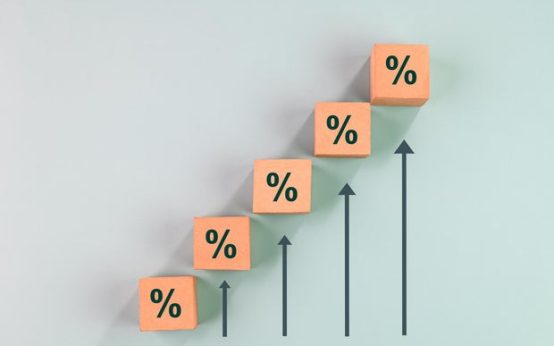 Maximize Savings with New Interest Rate Hikes
  Maximizing Returns with Short-Term CDs
  Debate Over Mortgage Accessibility Continues Amid Lender Standards
  Wall Street Dips as AI Stocks Decline
  Wall Street Awaits Key Financial Updates from Major Retailers and Fed Meeting Insights