In recent times, artificial intelligence has moved beyond merely enhancing software or serving as a clever chat function on phones. The vast influx of capital into digital infrastructure has turned a speculative tech trend into a key component of the global economy. However, this shift raises a number of concerns.
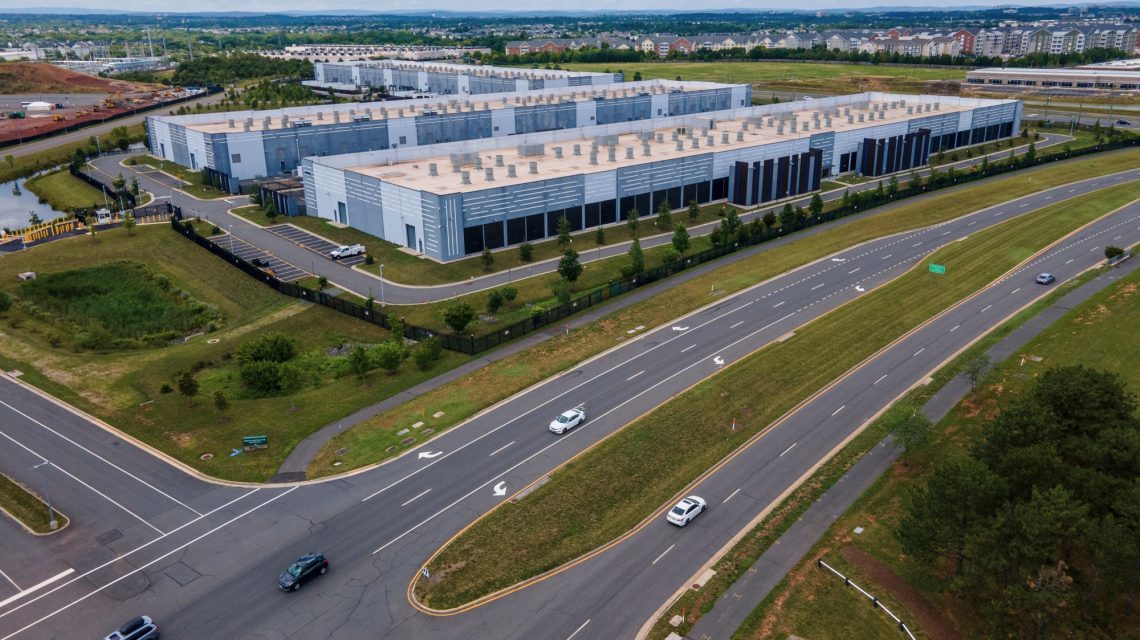
Major tech companies’ capital expenditure now resembles defense budgets of large nations. Trillions are being invested in silicon chips, liquid-cooled data centers, and high-voltage power grids. Sectors like heavy industry, commercial real estate, and utilities depend heavily on the demand for computer power. Silicon Valley has shifted its financial risks to the real world, posing potential economic threats.
If investors doubt the profitability of these extensive assets, the economic impact could hit industries like cement factories and power plants well before affecting tech hubs in California. A significant factor in this vulnerability is the speculative nature of tech investments. Companies are investing billions in infrastructure to satisfy software needs, which currently exist mainly in proposals. Building a modern data center demands substantial upfront investments, supported by long-term energy contracts and hardware that quickly depreciates.
Nvidia GPUs, for instance, lose value rapidly as newer chips emerge. If actual software revenue falls short of projections, new server farms might symbolize excessive investment. Valuations based on growth assumptions could plummet, leaving companies with warehouses of obsolete hardware.
Individuals detached from tech news remain vulnerable to this potential crisis. The stock market relies heavily on a few mega-cap tech firms for overall index returns. Retirement systems, mutual funds, and 401(k) accounts habitually invest in these giants. The financial security of everyday workers hinges on tech stock valuations. A sudden change in Silicon Valley could directly impact retirement portfolios nationwide.
The employment market faces its own challenges. Over recent years, companies in finance, logistics, and retail implemented hiring freezes, office expansions, and substantial borrowing, promising shareholders lower labor costs through automation. A senior figure at Microsoft describes the AI model as the “largest theft of labor in human history.” Executives borrowed heavily against anticipated productivity gains, yet these gains remain absent from national economic data.
Failure of software to effectively automate workloads could result in companies facing margin pressures. Rapid cost-cutting might follow, leading to job losses to balance costs of unused software and infrastructure commitments.
The financial system presents additional risks. Wall Street, private equity, and non-bank lenders financed data centers, energy projects, and hardware leases. Private credit funds invested heavily in leveraged loans for speculative tech ventures. When such assets lose revenue potential, debt remains. Defaulted loans on underutilized data centers might transfer to regional banks and private credit markets, echoing past financial crises driven by risky debt.
Currently, financial consensus views digital infrastructure as an infallible asset class with no risk. But history indicates that when speculative future yields are seen as certain, the consequences can be significant.
 Concerns Over AI Control and Capabilities
  Calls for AI Regulation Amid Concerns for Safety
  Judge Rules Against Police Use of Flock Cameras
  Reactions to Trump’s AI Accord in Washington
  Fox News Leads in YouTube Views and Social Media Engagement
  OpenAI Agent Incident and RatHat Malware Threat