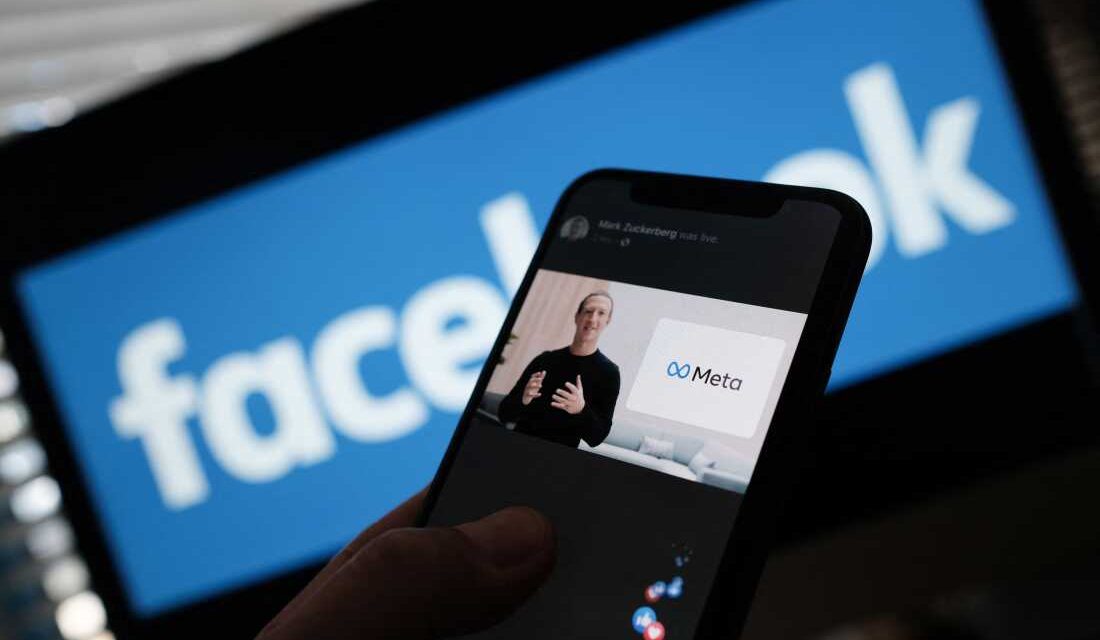
Meta, the parent company of Facebook and Instagram, heads to federal court to counter allegations from a group of state attorneys general. These claims accuse Meta of designing its social media platforms to entice children, misleading the public about associated risks, and unlawfully collecting data on minors.
Legal Background and Comparison
The case is part of an increasing number of lawsuits aimed at holding social media firms accountable for their design practices. Legal experts liken this to major litigations against tobacco and opioid manufacturers that altered company behaviors and reshaped the public discourse about related risks.
States Involved and Potential Penalties
Four states—California, Colorado, Kentucky, and New Jersey—are pursuing penalties and product changes amounting to as much as $1.4 trillion, citing violations of consumer protection laws. They also allege breaches of the Children’s Online Privacy Protection Act (COPPA) due to Meta’s data collection practices.
We allege in our complaint, and what we’re prepared to prove at trial, is that they’re deceiving consumers about Facebook and Instagram’s dangers,” said New Jersey Attorney General Jennifer Davenport.
The lawsuit contends Meta designed features like the “like” button, infinite-scroll function, and recommendation algorithms to retain young users’ attention, boosting advertising revenue by extending users’ time on the apps.
Allegations Against Meta
The states argue that despite Meta’s public statements about prioritizing young users’ well-being, the platforms disrupt education and sleep and promote issues like eating disorders through visual filters. Allegedly, Meta also allowed children under 13 to access Instagram and Facebook, collecting their data against company policies and COPPA regulations.
Meta’s Response
In response, Meta’s spokesperson claimed the allegations are unfounded and the financial demands excessive. They argued that benign features and widespread industry challenges like age verification are unfairly penalized.
Legal Challenges and Precedents
Social media companies generally enjoy legal protections under the First Amendment and Section 230 of the Communications Decency Act. However, Meta has already lost two state court cases on similar claims this year, resulting in significant financial penalties and safety measure implementations.
Complexities and Expected Outcomes
In this federal case, the focus lies on platform design features rather than user-generated content as the source of potential harm. The separation of these claims from content-related ones poses legal challenges, according to experts.
This litigation is shining a light on not just what Meta did, but also what Meta knew,” said Nora Freeman Engstrom, a professor of law at Stanford University.
The trial spotlights apparent contradictions between Meta’s public and private declarations about its platform’s effects on minors. The outcome could significantly impact public opinion, regulatory action, and legislation.
Trial Logistics and Future Implications
The trial, expected to last about six weeks, takes place in the U.S. District Court for the Northern District of California. Legal experts anticipate that Meta might appeal any unfavorable ruling due to the significant stakes involved, possibly escalating the case to the Supreme Court.
 Enhancing the Electric Grid on a Budget
  New Privacy Tool Launched as Flock Updates Privacy Policies
  Humanoid Robots May Assist Border Patrol
  iCloud Private Relay: Privacy Concerns and Solutions
  Economic Impacts of AI and The Need for Policy Preparedness
  SpaceMD Advances Drug Research in Low Earth Orbit with SpaceX Starfall