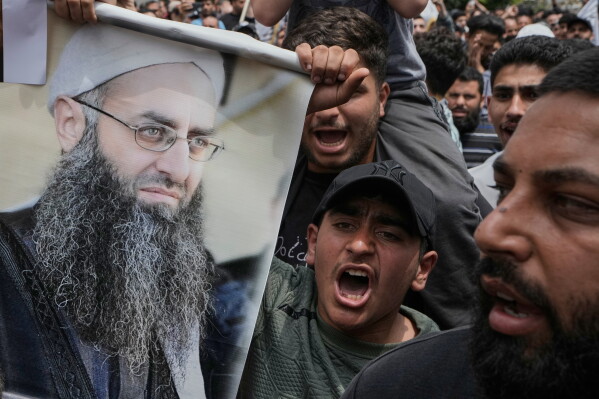
Historical Nomination Sparks Mixed Reactions
Abdul El-Sayed made history in Michigan as the first Muslim nominated by the Democratic Party for the U.S. Senate. While this milestone was celebrated among Muslim Americans, it also highlighted existing anti-Muslim sentiment across the country. Some Republicans, including former President Donald Trump, referred to him by his full name, Abdulrahman Mohamed El-Sayed, to portray him as a threat. U.S. Rep. Nancy Mace expressed views that all Muslims in public office pose risks to national security.
El-Sayed criticized these attacks, suggesting they reveal the weakness of those who launch them. “We all pray for the same things… We want what’s good for our kids and our families,” he told MS NOW. El-Sayed perceived his attackers as relying on outdated ideas.
Anti-Muslim Sentiment Beyond Politics
Anti-Muslim sentiment is not limited to political circles. Communities nationwide have experienced increased tensions, especially regarding new mosque construction plans. Edward Ahmed Mitchell of the Council on American-Islamic Relations highlighted both the societal progress and the backlash faced by Muslim Americans.
McKinney, Texas: A Case Study
In McKinney, Texas, a proposed mosque became a source of contention. Despite heated opposition during a city council meeting, council members unanimously approved the plan. Former McKinney Mayor George Fuller advocated for fair treatment of the mosque plan, facing hostility from some residents.
U.S. Rep. Keith Self opposed the project, citing potential negative impacts and issuing unfounded warnings about Islamic practices. Fuller countered that divisive rhetoric was replacing solution-oriented approaches.
Challenges in Mooresville, North Carolina
Mooresville, North Carolina witnessed similar resistance to a mosque project. Residents voiced opposition during a public comment session, criticizing a lack of transparency. Despite the backlash, CAIR’s regional manager advocated for community unity, noting Muslims’ roles in various professional and public spheres.
The local government clarified that the mosque proposal adhered to zoning regulations, emphasizing that religious assemblies are treated equally under the law.
Oklahoma Mosque Struggles
In Broken Arrow, Oklahoma, mosque plans also faced hurdles. After the city council rejected a rezoning proposal, citing infrastructure concerns, the Islamic Society pursued legal action, arguing the decision was influenced by discrimination.
National Anti-Muslim Rhetoric
The opposition to mosques mirrors a broader trend of increasing anti-Muslim rhetoric. Some Republican officials have introduced bills against sharia and voiced fears regarding Muslim populations, while civil rights groups argue these concerns are unfounded.
Attempts by Texas and Florida governors to close the Council on American-Islamic Relations have sparked lawsuits over constitutional violations. Muslim American leaders, such as Edward Ahmed Mitchell, view these actions as political maneuvers.
The Associated Press reported this story with support from a collaboration with The Conversation US, funded by Lilly Endowment Inc.
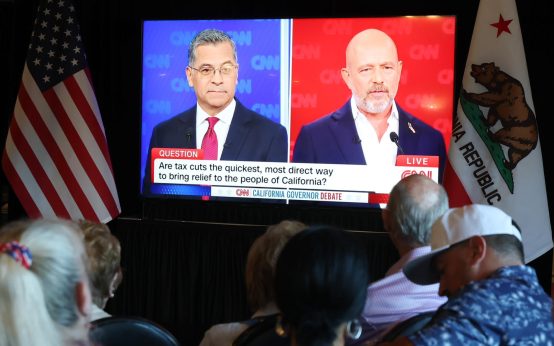 California Governor Debate: Xavier Becerra vs. Steve Hilton
 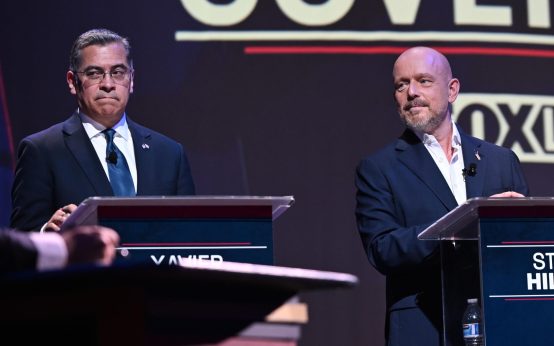 Becerra and Hilton Clash in California Gubernatorial Debate
 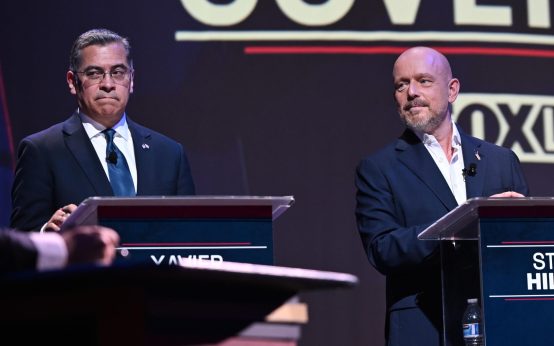 California Gubernatorial Debate Highlights Becerra vs. Hilton
  California to Vote on $7.5 Billion Scientific Research Fund
 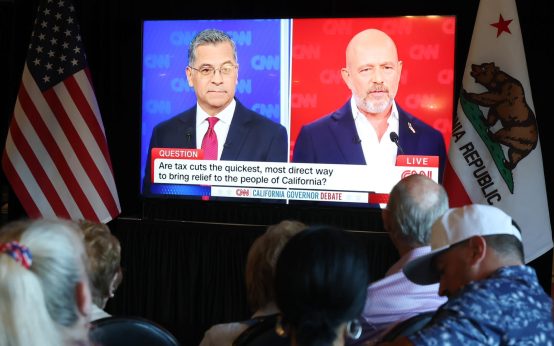 California Gubernatorial Debate: Becerra and Hilton’s Clash Highlights Key Issues
 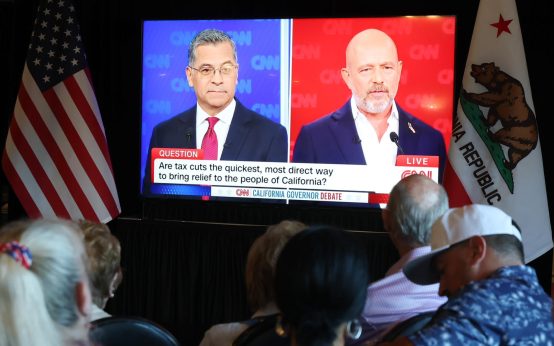 California Gubernatorial Debate: Becerra vs. Hilton