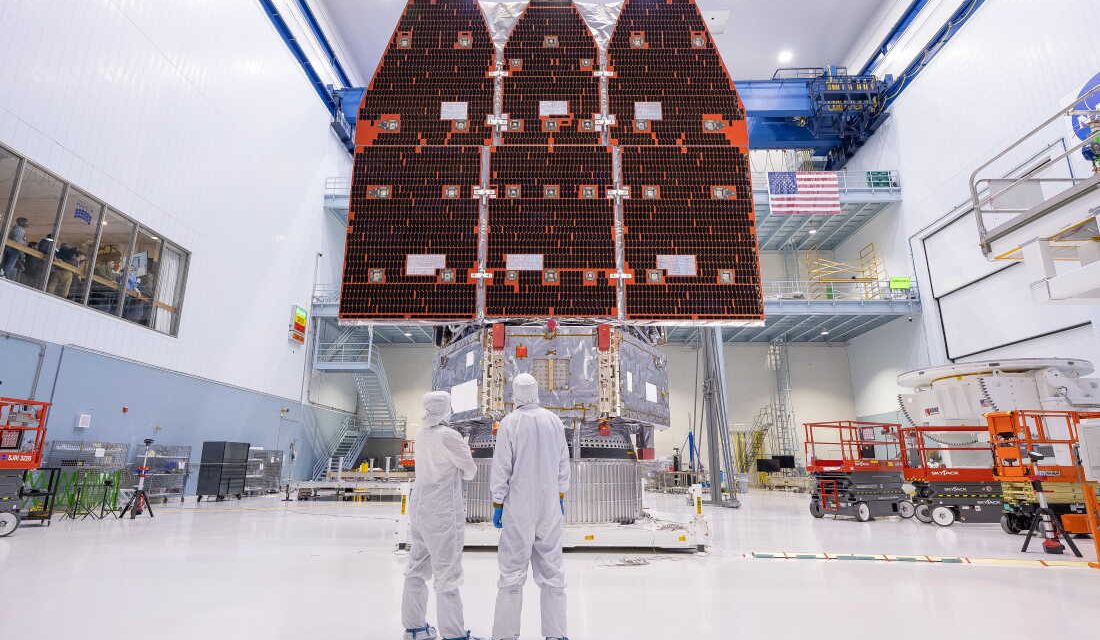
In 2025, technicians at NASA’s Goddard Space Flight Center in Greenbelt, Maryland, will connect the inner and outer segments of the Nancy Grace Roman Space Telescope. Jolearra Tshiteya of NASA captured an image of this critical moment.
Last month, NASA launched the Nancy Grace Roman Space Telescope from the Kennedy Space Center in Florida. Engineers felt anxious due to the high stakes. This telescope aims to gather more information than ever before on the universe’s expansion and hidden planets in our galaxy. The launch followed 15 years of preparation and a $4 billion investment. Even minor errors could lead to significant setbacks.
At NASA’s Goddard Space Flight Center, engineers were aware of the unstable conditions under which they worked. Since last November, NASA’s management repeatedly relocated scientists out of their labs at Goddard to cut costs and reduce waste, according to internal NASA documents reviewed by NPR. These frequent moves affected the telescope’s development. Propulsion engineers had to use less sensitive equipment for testing Roman’s fuel because crucial tools were lost during relocations months earlier.
NASA asked a radio communication lab to test an antenna for Roman before its launch, but most of their equipment was missing. “We cannot proceed with the work due to the loss of our $6 million antenna chamber,” said one engineer.
NPR interviewed seven current and former scientists and engineers at Goddard. They expressed concern that the repeated relocations, spanning the past 10 months, resulted in the loss of specialized workspaces, personnel, and essential equipment. Staff feared speaking out due to potential retribution.
While official documents claim that moving scientists from over 80 facilities aligns with Goddard’s master plan and helps avoid deferred maintenance costs, workers believe these relocations are impeding NASA’s objectives. Goddard’s reduced capacity delays projects and hinders future spacecraft production. Engineers are accustomed to having custom-built spaces and equipment to work effectively.
Examples of disruptions include the rushed launch of the GRITSS satellite in July, intended to track Earth’s water levels and landmasses. Scientists worry it may fail as its radio communication system was untested. Additionally, a radio communications lab was dismantled during the government shutdown in November, leading to the loss of unique testing facilities and equipment. Engineers tried but failed to prevent their equipment from being dismantled.
Scientists working on the DAVINCI spacecraft for Venus experienced delays in August due to losing access to Goddard’s lab and a specialized “clean room” for working on large spacecraft. Engineers reported that their vacated lab space remains empty as of August 2025.
Despite NASA’s official stance that the relocations had no impact on projects, internal emails and interviews reveal otherwise. Evidence gathered by NPR indicates some equipment was improperly disposed of through auctions, donations, or discarded. Items purchased with taxpayer dollars were often disposed of without consulting scientists.
More than 300 items from NASA Goddard appeared on auction sites, with an original cost of about $5.4 million. Although some items were labeled as salvage or scrap, descriptions were sometimes inaccurate. For instance, an aspheric test blank valued at over $250,000 sold for $300.
NASA also donated equipment to educational institutions; notably, Capital Technology University received valuable radio communications equipment without the scientists’ knowledge. Once informed, they sought to retrieve it, but were told reclaiming was unlikely.
Recent workforce reductions, alongside the relocations, have affected morale. Goddard lost approximately a third of its staff, impacting the center’s operational capacity. The workforce reduction and potential future budget cuts have some scientists believing NASA’s performance standards will decline significantly.
An engineer remarked that during the lab closures, employees were told to “pack as if you are never going to build another propulsion system again,” highlighting the uncertainty and challenges faced by NASA staff.
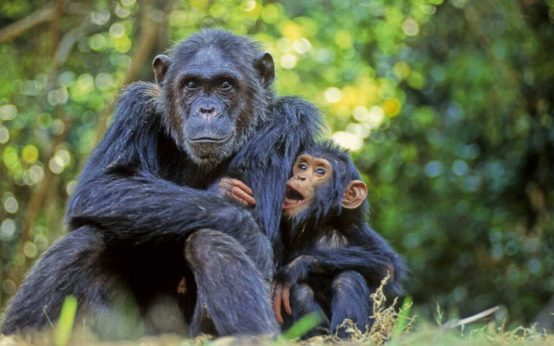 Chimps and Self-Medication: Insights from Gombe Stream
  Rovelli Challenges Physics with Relational View
 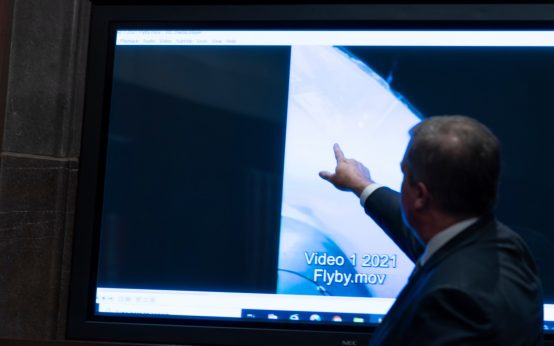 Legal Waiver for Sharing UAP Information Announced
 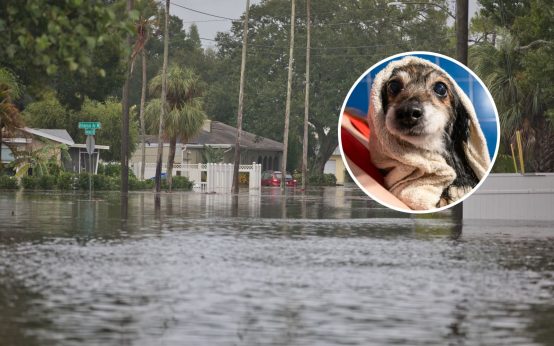 Preparation for El Niño: Protecting Livestock and Pets from Severe Weather
  Ancient Ring Sparks Debate Over Connection to Pontius Pilate
  Personality Traits, Genetics, and Health: A Comprehensive Analysis