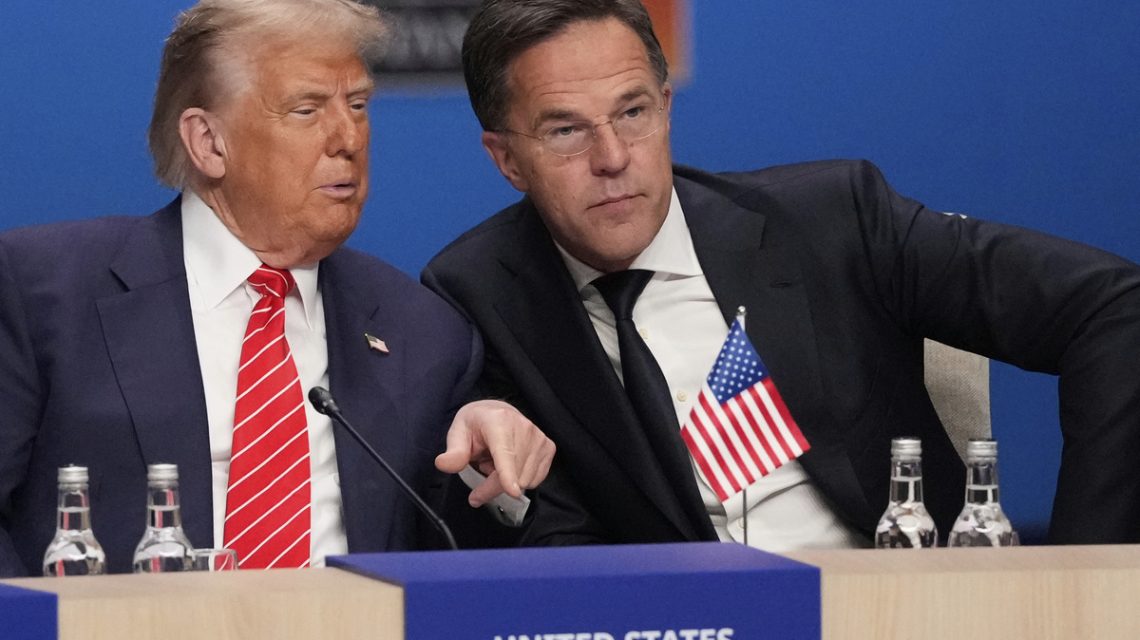
When NATO Secretary General Mark Rutte arrived at the Oval Office last month, he presented a plan accompanied by two colorful charts. In front of President Donald Trump, Defense Secretary Pete Hegseth, and other top officials, Rutte highlighted a significant increase in defense spending. He stated that Europe and Canada were projected to spend nearly 20% more on defense in 2025 compared to 2024. Rutte called this increase the “Trump Trillion,” noting that Europe and Canada had invested an additional $1.2 trillion since Trump began his presidency.
Rutte’s announcement was strategic, aligning with NATO’s upcoming major meeting. It aimed to strengthen the alliance amid ongoing U.S. criticisms of low European defense spending. NATO’s official communiqué termed the visit as preparation for the Ankara Summit.
Ankara Summit and Transatlantic Tensions
The summit in Turkey, set on Tuesday and Wednesday, presents challenges for NATO. While pledges to increase defense spending were made last year, the U.S. has not specified its future role in Europe. Discussions may address troop withdrawal schedules and Europe’s defense industry demands. Observers expect talks on Ukraine’s future, but no further commitments beyond last year’s benchmark.
NATO faces internal tension between states meeting spending targets and those lagging. The summit tests NATO’s endurance as an alliance nearly 80 years old, crucial for protecting member countries against threats, notably from Russia.
A Year of Diplomatic Strain
For NATO, 2026 has been turbulent with diplomatic crises and mixed signals. Despite Rutte’s efforts, anxiety persists among allies about America’s role in the alliance. Trump’s criticism of NATO has continued, accusing European nations of benefiting disproportionately from U.S. defense support.
The U.S. argues its military efforts have supported Europe’s security post-Cold War, providing expensive capabilities alongside stationed troops. European allies acknowledge the need to increase defense spending, but resent Trump’s public criticism given shared military commitments, notably in Afghanistan.
Iran Conflict and U.S. Troop Withdrawal
Recent U.S.-Europe relations have been strained by NATO’s refusal to join the Iran conflict initiated by the U.S. and Israel, which led to restricted U.S. bases in Europe. This friction contributes to the U.S. reconsidering its troop presence in Europe.
Defense Secretary Pete Hegseth criticized allies for denying support in the Middle East, prompting a six-month review of U.S. forces stationed in Europe. However, confirming troop withdrawal faced internal administration opposition.
General Chris Donahue’s resignation as top U.S. Army commander in Europe further complicates NATO dynamics. Despite concerns, NATO commander General Alexus Grynkewich expressed optimism, citing Europe’s ability to adapt to reduced U.S. support.
Anticipations for the Summit
The Ankara summit sees Trump poised for more critical dialogue. He may address issues like Iran and defense spending, with tension anticipated towards countries perceived as resistant to U.S. pressure.
The U.K.’s recent Defence Investment Plan faces scrutiny, and John Healey’s resignation highlights divergence within British policy. NATO plans to manage the complexities of these defense challenges and alliance dynamics as they prepare for the future.
 Trump Administration Seeks to Influence NIH Grantmaking
  Protests in Austin: Analyzing the Coordination Behind Anti-ICE Demonstrations
 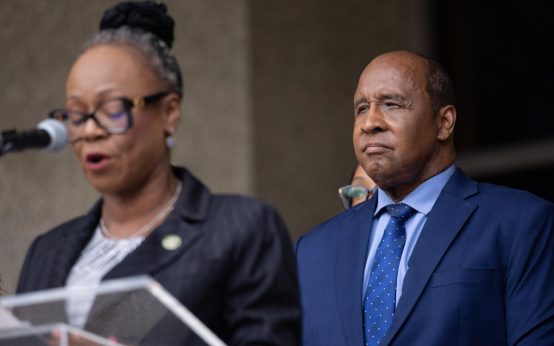 Controversy Surrounds Inglewood Mayor Amid Allegations
 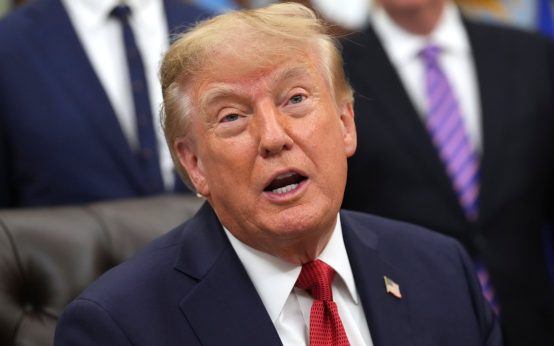 White House Launches Trump TV Amidst Press Dispute
  Media Organizations Sue Trump Administration Over Press Access
  Venezuelan Leadership at the United Nations