Current Mortgage Rate Trends
Borrowers looking for affordable mortgage interest rates might face different conditions this fall. Throughout much of 2026, mortgage interest rates hovered in the mid-6% range, recently rising further. As per Zillow, the average rate for 30-year conventional loans stands at 6.75%, a significant increase from March.
“Mortgage rates recently reached some of their highest levels of 2026, as renewed conflict between the U.S. and Iran pushed oil prices higher and reignited inflation concerns,” says Jeff DerGurahian, head economist at loanDepot.
This shift contrasts sharply with the spring and much of 2025, when average rates fell by about a percentage point, influenced by the Federal Reserve’s rate cuts in late 2025.
Forecast for Fall 2026
Experts predict that mortgage rates will likely remain in the mid- to high-6% range or possibly rise slightly. Forecasts from Fannie Mae and the Mortgage Bankers Association suggest rates holding steady for the rest of 2026 and through next year. Factors like persistent inflation and ongoing U.S.-Iran conflict are contributing to this trend.
“Inflation has remained elevated and the Iran conflict continues to drag on, which are key factors keeping rates from dropping,” says John Ortega, a senior home loan specialist at Churchill Mortgage.
If oil prices increase further, DerGurahian warns that it may “put upward pressure on rates.” High energy prices, unresolved conflict, and robust labor market performance could push rates higher.
The Federal Reserve could also play a crucial role if inflation rises, possibly leading to a rate hike. The CME Group’s FedWatch tool indicates a 75% chance of such a hike in September.
Pathway to Lower Rates
While a drop in rates is possible, certain conditions must align. Ortega notes that inflation cooling, a slowdown in the labor market, or reduced 10-year Treasury yields could lead to lower rates.
Experts expect only a slight rate decrease, potentially in 2027. Fannie Mae forecasts suggest a minor drop of 0.1% next year.
“I still foresee slightly lower rates on the horizon, but that will likely be pushed out to 2027 based on current forecasts,” says Andrew Marquis, senior vice president at CrossCountry Mortgage.
A notable decline would require resolving the Iran conflict and substantial inflation reduction. Inflation currently stands at 3.5%, down from 4.2% last month, but above the Federal Reserve’s 2% target.
Key Considerations
Experts anticipate that rates will remain high for the year, but nothing is certain. Monitoring data and observing Federal Reserve and inflation actions can provide insights into rate movements.
“For a window into where mortgage rates are headed, keep an eye on employment growth, unemployment claims, and whether the economy is cooling enough to put pressure on rates,” Ortega advises. “Inflation reports are crucial, as they significantly impact mortgage rates via bond yields and Fed policy.”
Despite high rates, buying a home can still be feasible through creative strategies. Marquis suggests options like adjustable-rate mortgages, temporary rate buydowns, down payment assistance programs, seller concessions, or selecting a lower-priced home to make monthly payments manageable.
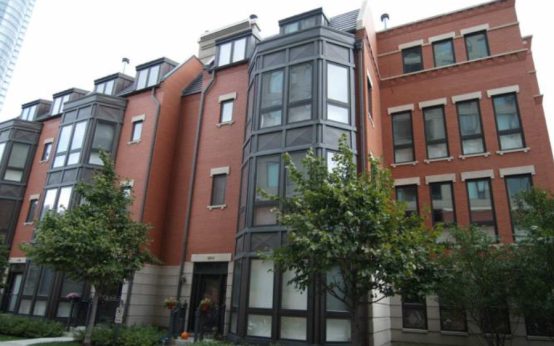 Former Chicago Bulls Guard Jevon Carter Sells West Town Home
 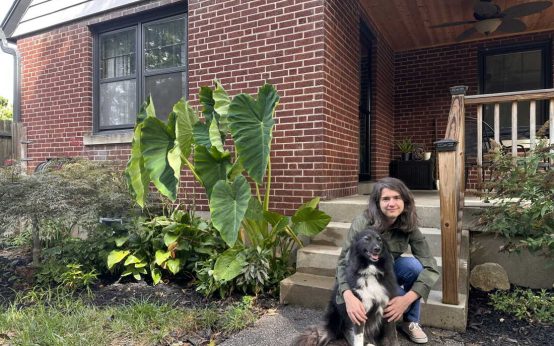 Understanding Real Estate Fees
  Homeowners’ Guide to Home Equity Loans: Costs and Considerations
 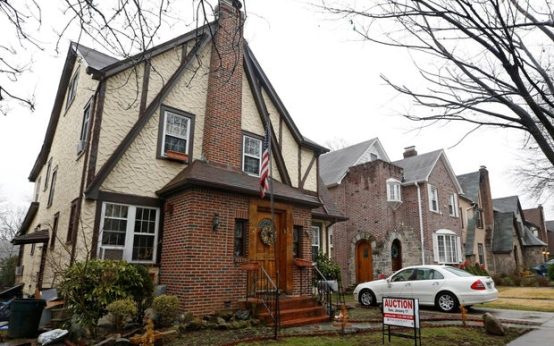 Trump’s Childhood Home Renovated and Sold for Nearly $2 Million
 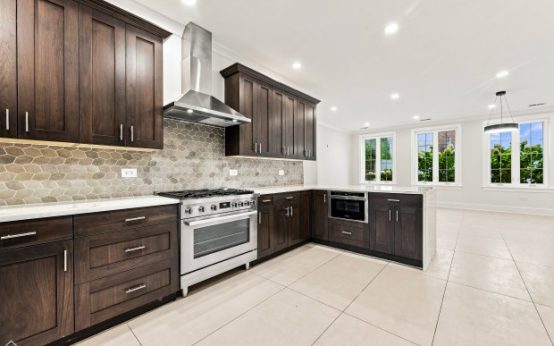 Luxury Five-Bedroom Home for Sale in Edgewater, Chicago
 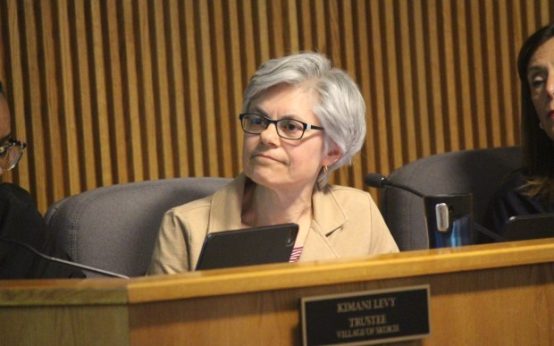 Skokie Trustees Revise Short-Term Rental Regulations