
President Biden recently remarked on the continued support for former President Trump in Nebraska. Despite Nebraska’s history of backing Republican candidates, especially Trump on three occasions, the alignment of its largest city, Omaha, with Democratic preferences poses a significant question ahead of pivotal congressional races.
Omaha stands crucially at the center of the fight for an open seat in the congressional race, vacated by retiring Rep. Don Bacon. The race brings Republican Brinker Harding against Democratic activist Denise Powell. This district includes Omaha’s metropolitan area, which leans Democratic, and the conservative suburban zones, known for their culinary fame with steaks and the disputed origins of the Reuben sandwich.
The Omaha district is among eight nationally where Republican House wins aligned with Democrat Kamala Harris in the last presidential election. Harding and Powell are engaging with community events, but such grassroots efforts might be overshadowed by Trump’s influence. He is actively campaigning in tight races to cement his control over the midterm narratives. Next month, Trump will host a Republican convention that serves as both a rally for himself and an aid to party candidates.
While Trump remains central to Republican efforts, Democrats leverage his polarizing image. Denise Powell directly connects with voters by discussing their concerns, which often relate to Trump’s presidency. For example, John Rosseter, a 67-year-old carpenter, anticipates historical critique over Trump’s tenure.
Nebraska, with its split presidential electoral votes, presents a unique dynamic. The 2nd Congressional District has previously favored Democrats but elected a Democratic House representative only once since 1994. Harding highlights Trump’s endorsement and support from figures like House Speaker Mike Johnson. Harding claims extensive district knowledge, competing with Powell’s grassroots efforts.
Powell is backed by notable Democrats campaigning for her, like former Transportation Secretary Pete Buttigieg and Rahm Emanuel. She emphasizes issues like Medicare cuts and critiques Trump’s business dealings, striking a chord even with some Republicans who value checks and balances.
Amidst campaigns is a notable “Blue Dot Wave,” initiated by Omaha residents Jason Brown and Ruth Huebner-Brown with lawn signs advocating Democratic values. This movement counters a Republican campaign fueled by “Brinker Dot” signs.
Despite approving Trump’s presence, his supporters urge for maintaining the country’s trajectory towards improvement. Jack Hosking, a 90-year-old local organizer, notes some Trump backers might favor Powell based on her effective campaigning.
The Republican National Committee relies on Trump as a motivator, rebranding important candidate platforms to align with his “MAGA Majority,” aiming to prevent waning party enthusiasm in a non-presidential election year.
Despite attempts to sometimes distance from the White House, retiring Rep. Bacon advocated for pragmatic leadership. This stance resonates in Nebraska’s political landscape, yet Powell suggests current times demand more than Bacon’s historical approach.
This congressional race in Nebraska uncovers broader party divides and community dynamics. While some residents strive for political middle ground, others see party extremism. Trump’s endorsement remains substantial yet Nebraskans value personal connection.
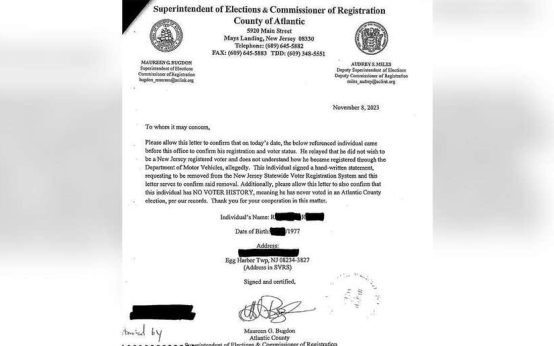 RNC Files Lawsuit for Transparency in New Jersey’s Voter Roll Maintenance
 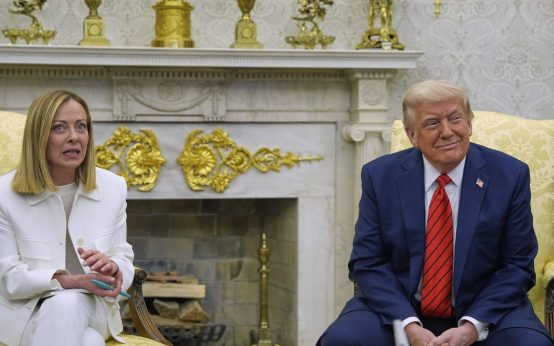 Italian PM Giorgia Meloni Skips UN General Assembly Amid Growing Tensions
  Calls Grow for Ireland’s Soccer Team to Boycott Matches Against Israel
 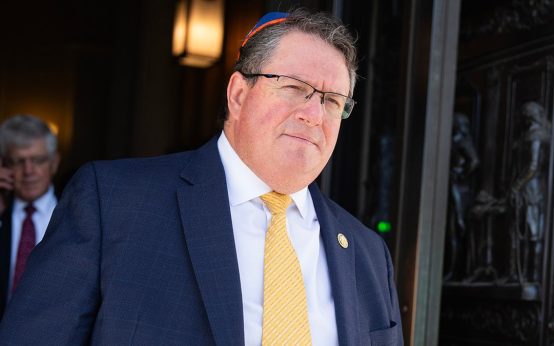 Congressman Randy Fine’s Bold Political Stance and Views on AI Regulation
 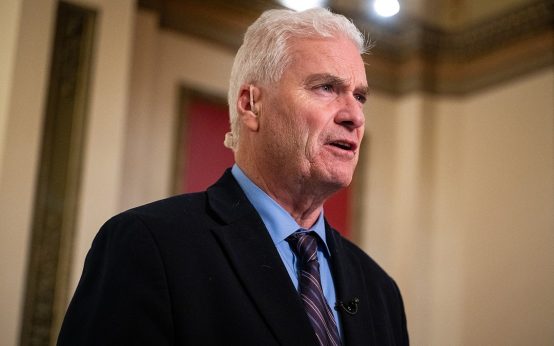 Political Messaging and Strategy Leading Up to Midterms
  President Trump Proposes ‘Super Intelligence’ as New AI Term