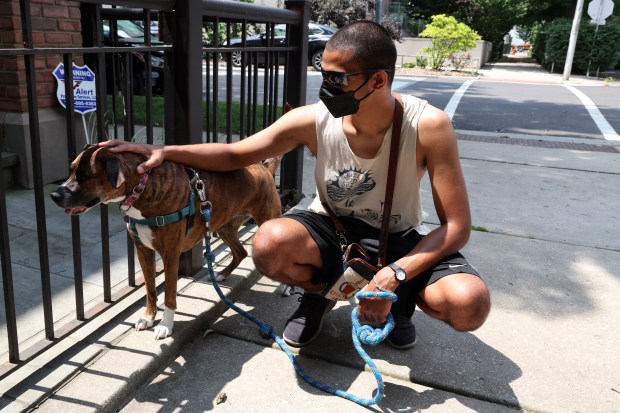
Mike Russell and his business, J&M Dog Walking, depend heavily on weather conditions. On a recent Thursday morning, a poor air quality advisory led to uncertainty for Russell. Instead of cancelling all activities, he directed walkers to keep outdoor time brief and focus more on staying indoors with the dogs. However, he soon noted a larger issue: many clients on Chicago’s North Side began to call off scheduled walks due to fears of pollution. They were concerned about their pets breathing the tainted air.
Media reports compared the outdoor air to smoking several cigarettes. Russell remarked, “A dog has never smoked a cigarette.” But the dangerous air quality wasn’t affecting only humans. Experts highlighted the threat from fine particles known as PM2.5, brought by wildfires in Minnesota and Canada. These particles are dangerous, sometimes lethal. They often cause irritation in the eyes and nose, and due to their tiny size, can lodge deep in the lungs and enter the bloodstream.
Shravan Raghuram from J&M Dog Walking took precautions, such as wearing a mask while taking Roo for a walk in Chicago’s Bucktown area. The smoke from wildfires in the city prompted this safety measure.
Dave Bernier, managing curator at Lincoln Park Zoo, explained their proactive measures. Employees observed animals for symptoms like difficulty breathing or changes in activity. However, no animals were denied outdoor access. Bernier noted that keeping animals confined indoors could stress those at risk. Instead, feeding methods were adjusted. Food was distributed indoors to reduce outdoor time for certain animals like great apes.
Bernier advised pet owners to watch for signs in their pets, such as abnormal panting or activity levels. The spike in PM2.5 levels reached a new record in Cook County according to the U.S. Environmental Protection Agency. AirNow marked the air quality on Thursday and Friday as “emergency conditions.” An air quality alert remained until Saturday from the National Weather Service.
Handling the air pollution was challenging for caregivers. Jana Kinsman, a beekeeper at Back of the Yards, faced difficulty in her work. The pollution, compounded by heat, hindered her ability to manage outdoor bee hives. Kinsman expressed concerns about how the bees cope with environmental stress from smoke and particles.
Jessica Helgen, director of Minnesota’s Bee Squad, remarked that while bees endure smoky conditions, long-term effects are less understood. It is crucial to differentiate between honeybees, livestock, and native bees. Helgen pointed out that beekeepers can relocate honeybee colonies from areas of poor conditions, unlike native bees. Despite the smoke in Minnesota, bees continued their foraging activities.
 Cold Weather Alerts and El Niño Influence
 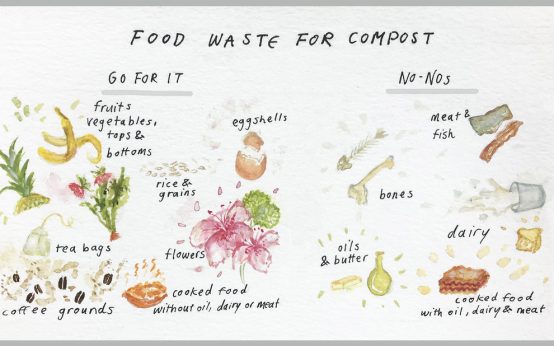 Turning Home Food Waste into Compost: A Guide
  Chicagohenge: When Sunlight Aligns with City Streets
  Fat Bear Week 2026: A Look at the Contest and Its Competitors
  California Governor Declares Statewide Emergency Ahead of El Niño Storms
  EPA Rollbacks and the Impact on Indiana Communities