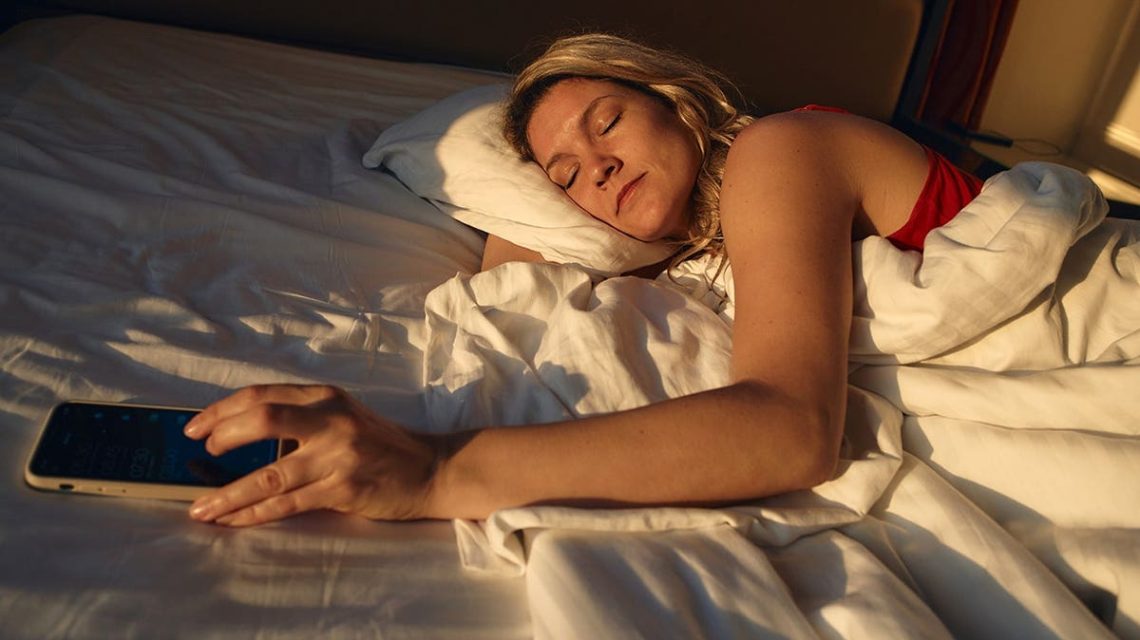
Your neighborhood’s environment significantly influences your sleep quality. Experts and recent studies highlight how urban surroundings affect rest.
Factors Affecting Sleep: Erin Palinski-Wade, a nutritionist and author, emphasizes that household environments, including family, pets, and noise, disrupt sleep patterns.
“If you live in noisy environments, it’s going to be noisy, and adjustments are necessary,” Palinski-Wade explains.
For those in busy city areas, she suggests white noise machines to counter environmental noise. Solutions like white noise machines, blackout curtains, and closing bedroom doors can reduce disturbances.
Visual Influence on Sleep: Research indicates neighborhood visuals affect sleep patterns. A study by Professor Daisuke Matsushita analyzed over 200,000 Google Street View images using AI to assess streetscape features.
“Cities could measure perceived safety, beauty, and liveliness,” Matsushita remarked.
In Tokyo, individuals in safer perceived areas experienced longer sleep. Features like greenery and high-enclosure buildings were linked to better sleep and less insomnia.
Conversely, walkable areas with sidewalks and traffic signs created a lower sense of safety and shorter sleep due to increased foot traffic.
Designing Sleep-Friendly Neighborhoods: Matsushita hopes this research will inspire healthier neighborhood designs. Inside homes, room temperature and door positions impact noise levels entering the bedroom.
Findings don’t imply relocation is necessary; rather, managing household interruptions and noise is key. The study, based on self-reported sleep data, focuses on Tokyo residents living on lower apartment floors, limiting its broader applicability.
Palinski-Wade advises, “The simplest solution is setting a sleep schedule, even on weekends, to improve sleep quality and quantity.”
Research highlights practical steps for better sleep but acknowledges limitations due to specific participant demographics.
 Faith and Healing: Insights from ‘The Angels Among Us’
 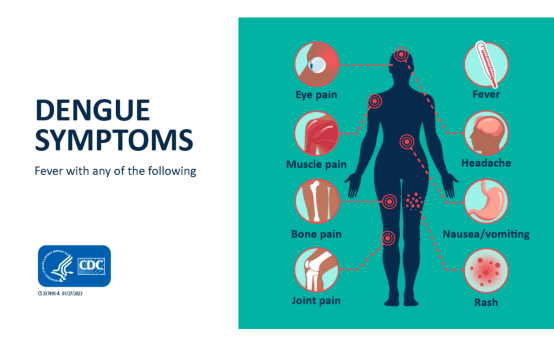 Dengue Fever Outbreak in U.S.: Rising Cases and Health Measures
 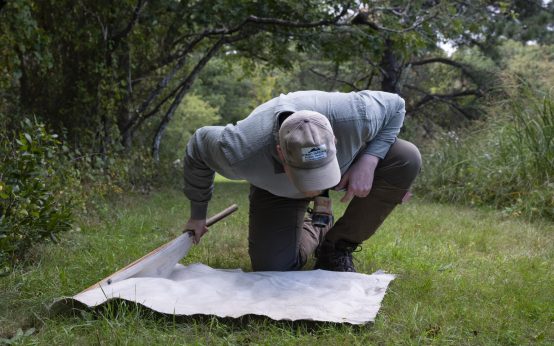 The Growing Threat of Lone Star Ticks on Martha’s Vineyard
  Readers Share Views on Dementia, Ant Warfare, and College Affordability
  Silent Atherosclerosis: Insights from New Research
  Dining with Loved Ones: A Boost for Blood Sugar Regulation