In late September 2026, three news outlets, CNN, MS NOW, and POLITICO, filed a federal court petition to block their sudden ban from the White House. They argued that the administration has been unpredictable and selective, continuing the prohibition despite a judge’s restraining order. This selective barring includes restricting CNN from participating in White House pool duties.
The lawyers for these outlets emphasized that the ban serves to punish unfavorable reporting and represents a violation of First Amendment freedoms. They requested a preliminary injunction to prevent the enforcement of the ban until the legal dispute is resolved. This move is part of an ongoing tension between President Trump’s administration and the media during his second term, raising significant First Amendment concerns.
A temporary restraining order issued by U.S. District Judge Timothy Kelly reestablished access for the outlets but was set to expire soon. The requested injunction aims to extend their access pending a final legal decision. Theodore J. Boutrous Jr., the lead attorney for the outlets, described the ban as unconstitutional, aimed at retaliating against undesirable coverage.
The Trump administration remains firm in its stance, arguing that access to the White House is a privilege, not a right. Attorney General Todd Blanche reiterated this position, asserting that the sudden ban is justified. The administration maintains that the ban protects national security, although Judge Kelly was skeptical about this motivation.
The filing referenced the essential role of the broadcast pool rotation, highlighting instances where CNN was excluded from pool duties to the detriment of all parties involved, including the public. When CNN was barred from participating, the other networks suspended pool activities in solidarity. CNN’s exclusion included being banned from Air Force One, preventing coverage of a trip to Tennessee.
David A. Schulz from Yale Law School commented on the difficult choices the networks face in addressing the ongoing standoff while balancing press freedom and public service. RonNell Andersen Jones from the University of Utah noted the challenges in navigating lengthy White House blackouts without undermining democratic goals.
The networks have been responding on a case-by-case basis, considering the newsworthiness and repercussions of continued exclusions. As CNN awaits its turn in the rotation, the collective media response remains uncertain.
 Comparison of US and Canadian Unemployment Rates Amid Trade Tensions
 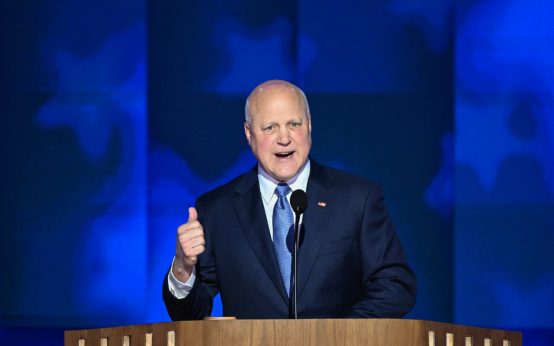 Mitch Landrieu Contemplates Presidential Run and Discusses Political Landscape
  Strategic Capital: A Tool for U.S. Defense
 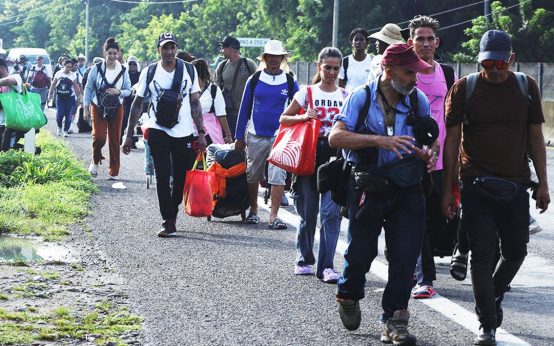 DHS Warns Migrant Caravan Heading to U.S.-Mexico Border
 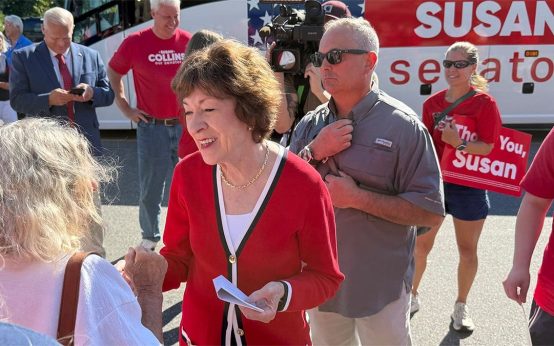 Vandalism at Senator Susan Collins’ Office Amid Election Contest
 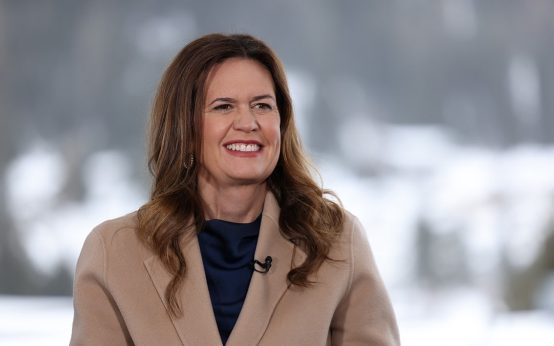 Backlash Over Sarah Huckabee Sanders’ Welfare Ad