The National Highway Traffic Safety Administration (NHTSA) is closely examining robotaxi safety. There have been reports of autonomous vehicles entering active emergency scenes and obstructing first responders. NHTSA emphasizes that a self-driving vehicle that cannot safely manage interactions with first responders presents a public safety risk. This month, discussions will occur between NHTSA and robotaxi developers to find solutions.
E-Bike Incidents and Injury Concerns in Detroit
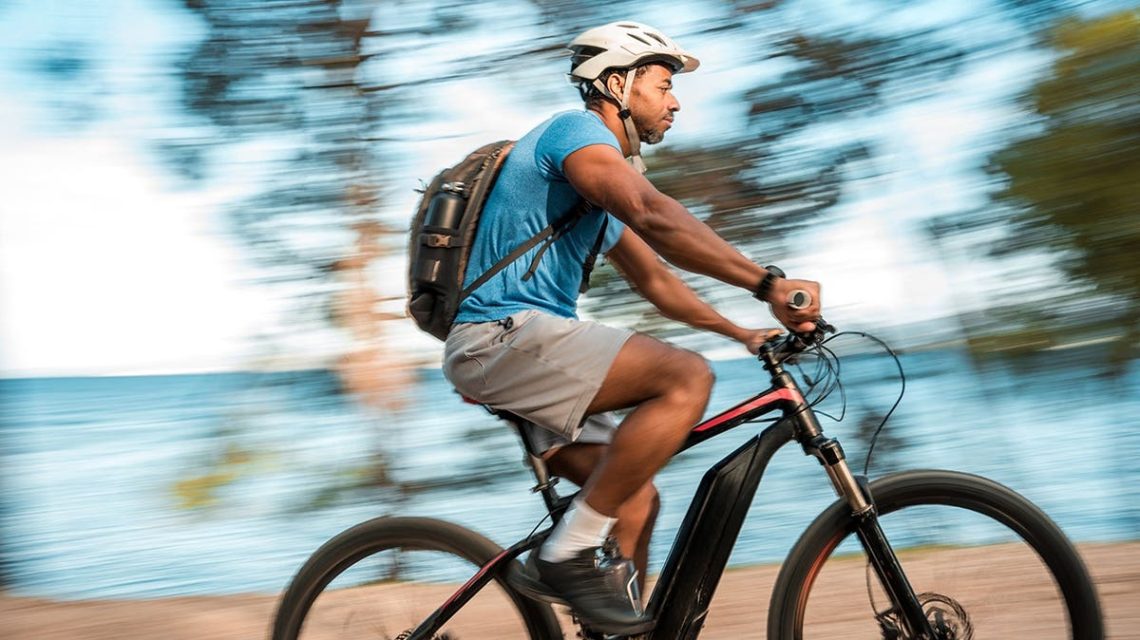
The Detroit, Michigan, metro area has noted a rise in significant incidents involving electric bikes, often referred to as e-bikes. Reports have indicated an increase in e-bike crashes, with medical professionals observing a surge in related injuries. Various communities are considering implementing restrictions or outright bans on e-bikes due to these concerns.
Class 3 e-bikes can reach speeds up to 28 miles per hour, which heightens the risk of crashes on sidewalks and streets. Dr. Robert Sherwin from the Detroit Medical Center reported treating injuries ranging from minor to severe trauma linked to e-bike use. The increased speed and weight of e-bikes make them more comparable to motor vehicles than traditional bicycles.
Challenges of Sharing Roads
John Hughes, a local bike shop owner, identified the challenge of sharing the road with cars as a core issue. He pointed out that some drivers do not recognize bikes, including e-bikes, as valid forms of transportation, leading to dangerous situations. The presence of heavy traffic and drivers distracted by cell phones worsens these risks.
Some e-bike riders, like Cam Cason, see e-biking as a more economical transportation choice compared to cars, citing savings on gas as a significant benefit.
Calls for Regulation and Safety Measures
Amid growing worries about e-bike safety, some states are tightening regulations. New Jersey, for instance, requires e-bike registration, a minimum age of 15 for riders, and either a valid driver’s license or an e-bike license to operate them. These measures aim to encourage responsible riding and mitigate injury risks.
NYU Langone Health released an advisory highlighting an increase in brain and spine injuries related to e-bikes and scooters in New York City. This advisory points to a substantial rise in trauma cases involving these modes of transportation. Hospital data shows trauma cases linked to e-bikes jumped from less than 10% in 2018 to more than 50% by 2023.
Need for Improved Urban Infrastructure
A study published in “Neurosurgery” revealed that one-third of the 914 patients treated for e-bike and scooter injuries encountered a traumatic brain injury. Most of these incidents involved collisions with cars or trucks. Helmet use remains insufficient, contributing to a higher rate of brain and facial injuries.
Dr. Hannah Weiss from NYU Grossman School of Medicine noted that micromobility injuries demand increased neurosurgical attention. Solutions such as helmet use, better bike lane designs, and strict enforcement of existing regulations could help reduce such injuries.
Dr. Paul P. Huang also emphasized that urban infrastructure needs continuous improvements to accommodate the escalated use of electric mobility devices. Future research should analyze the effectiveness of measures like protected bike lanes and helmet programs in reducing the frequency of serious injuries.
 Understanding AI’s Impact Compared to Historical Threats
  Quality of Sleep Linked to Risk Reduction in Various Diseases
  Exploring Diets and Their Potential to Reduce Alzheimer’s Risk
  Dengue Fever Death in Florida and the Rising Cases Across the U.S.
  Debate Over AI’s Governance Amidst Fearful Predictions
  Kim Kardashian Discusses Her Diagnosis of Esophagitis