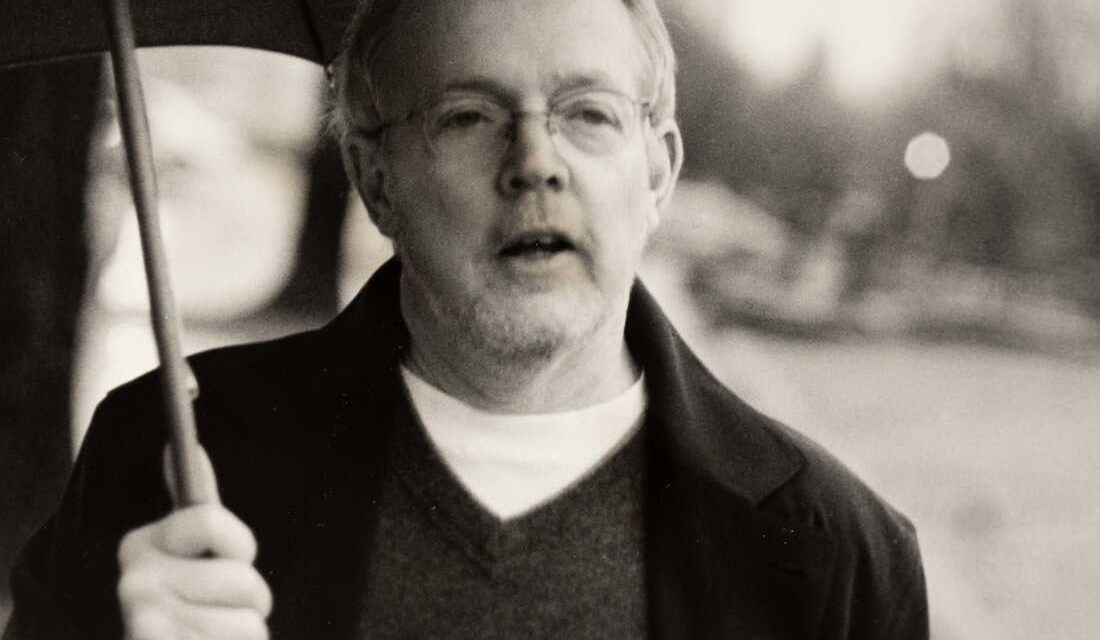
Noah Adams, a renowned writer, broadcaster, and storyteller, shaped NPR’s All Things Considered as host for 18 years. His soft voice and vivid writing left an indelible mark on the network. Adams passed away at 84, at his home in Yellow Springs, Ohio, according to his wife, Neenah Ellis.
A Defining Voice at NPR
Adams guided listeners through significant events like Ronald Reagan’s electoral triumphs, the fall of the Berlin Wall, and the September 11 attacks. However, his colleagues recognized his journalism through his softer, more personal features. Traveling through small towns and engaging with locals, he produced thoughtful radio pieces. Melissa Block, a fellow journalist, praised his note-taking and keen observations which captured vivid, complete pictures of people and places.
Path to NPR
Born in Kentucky, Adams joined NPR in the mid-1970s. Before his broadcasting career, he worked in various jobs including construction and car sales. In 1972, he began working at the University of Kentucky’s public radio station. Three years later, he became a production assistant on All Things Considered. Adams valued deep curiosity, urging attention to hidden mysteries and people’s struggles in the world around him.
Connecting Through Stories
Adams preferred stories about genuine people over pre-scripted political interviews. He often incorporated personal elements like discussions about dogs to connect with interview subjects. His approach inspired young producers like Ira Glass, who admired Adams’ ability to create meaningful conversations that revealed deep truths. Adams’ interviewing style became a model for programs like This American Life.
A Voice for Rural America
In 1987, Adams left All Things Considered to start a new variety show, later returning to work with Robert Siegel and Linda Wertheimer. Siegel highlighted Adams as a voice for rural America, bringing stories from small towns to a national audience. Adams’ passion for good writing informed both his radio work and his books, such as “Piano Lessons” and “Far Appalachia.”
Innovations and Aspirations
“Experimental use of sound. Interesting writing.”
Adams’ work peaked with the 1981 radio documentary “Father Cares: The Last of Jonestown,” a groundbreaking piece with experimental narration. Siegel and others saw this as NPR at its best—rich and innovative. Adams aimed for NPR to capture the country’s character and diverse voices, challenging the focus away from power centers. His quiet dedication and insightful storytelling helped define NPR’s identity and shaped its early years.
 College Students’ Views on Free Speech and Criminal Prosecution
 Halftime Show Viewership Concerns for the NFL
 Silence in the Media: Ignoring Important Stories
 Examining the Controversy Surrounding Sophie Cunningham
 Lake Forest Preservation Symposium Emphasizes Community and Future
 Jackson Pollock and Lee Krasner: Art and Legacy in Springs, N.Y.