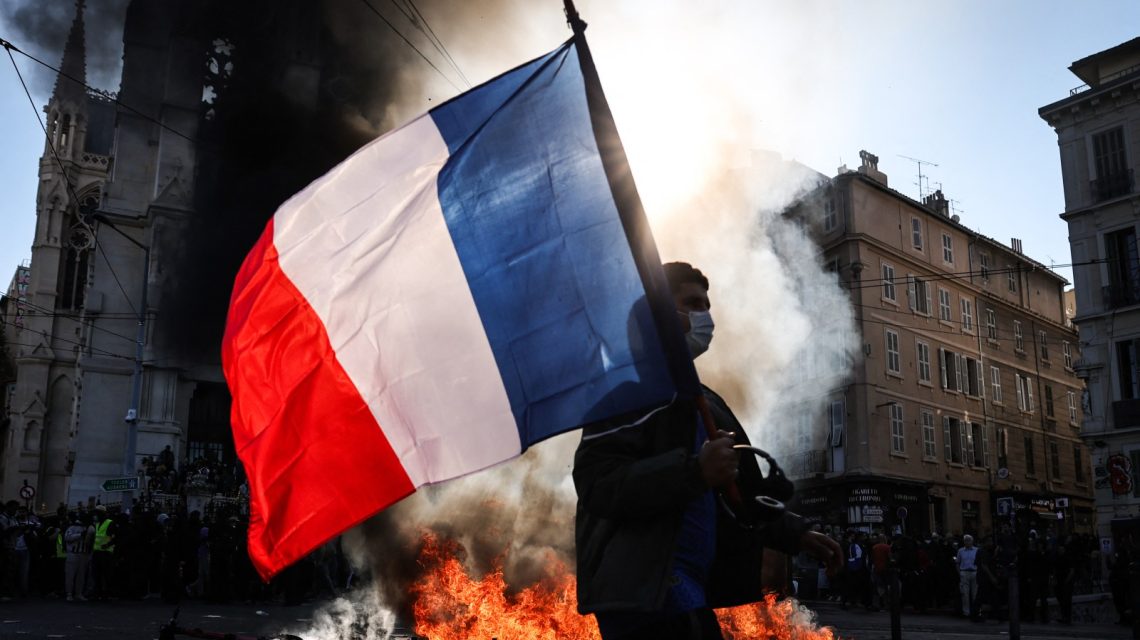
France is facing significant social and fiscal challenges as protests continue to sweep across the country. Initially ignited by issues in the education sector, these protests have grown into widespread unrest, driven by economic and generational concerns.
Root Causes of Unrest
Antonio Fatás, a professor of economics at INSEAD, emphasizes the increasing public discontent. Economic struggles and stalled personal progress are fueling a national malaise. The situation is inflamed by upcoming budget debates and a presidential election. These events have turned the protests into a pivotal clash involving police and competing political visions.
“There is an increasing sense of malaise, that things are not working,” Fatás told Newsweek.
Obsessive media focus has dubbed France as being on the verge of economic crisis, with references to pop culture underscoring widespread anxiety. Though the protests mirror past French demonstrations, they stand out due to their multifaceted triggers—social, economic, and political.
Socioeconomic Disparities
The movement, starting in Paris’s suburbs, highlights several issues: teacher shortages, overcrowded classrooms, social inequality, and rising living costs. Youth unemployment, although improved since 2012, remains double that of Germany and higher compared to the UK and the US.
Elements from the 2018 Yellow Vest protests have joined in, linking current education-related grievances to broader concerns over inequality and the policies of President Emmanuel Macron.
Fiscal Challenges
Financial instability at France’s core has been growing. As political clashes unfold, the underlying fiscal issues present the most danger, according to Mujtaba Rahman of the Eurasia Group. France’s debt-to-GDP ratio and borrowing costs are alarmingly high, while $100 billion in education spending—over 25% for retirees’ pensions—reflects mismanagement.
“France is effectively handing over large subsidies to older French at the expense of everyone else,” opined economist Paul Krugman.
Proposed savings by Prime Minister Sébastien Lecornu face resistance from a fractured parliament, compounding difficulties in reforming the education budget within an increasingly constrained fiscal environment.
Political Impact
This unrest comes at a politically volatile time. A hung parliament post-2024 elections complicates governance. With Macron’s exit approaching, the political center lacks a clear successor, presenting an opportunity for France’s far-right to assert influence.
Marine Le Pen’s National Rally leads in polls for 2027 elections. Upcoming policy decisions will be crucial in steering France through fiscal challenges, but the charged political atmosphere may hinder necessary compromises.
National Rally President Jordan Bardella’s recent comments reflect readiness for change. However, socioeconomic frustrations similar to those in France are emerging in Spain, Portugal, and Italy.
Whether France can navigate this storm remains uncertain, but the current conditions suggest a deeper political crisis might unfurl.
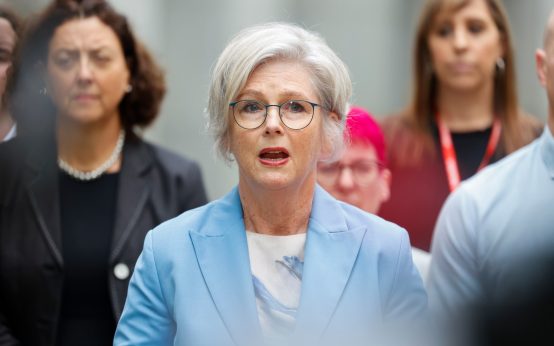 Attack on Australian MP Helen Haines: Updates and Reactions
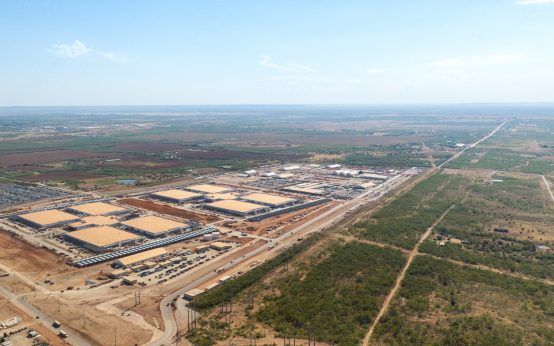 Texas Data Centers Face Criticism Over Water Use Reporting
 Election Spending Trends Set Record in 2026 Midterms
 DOJ Charges Green Card Holders Amid Voting System Dispute in California
 Unconventional Candidates in Montana Challenge Political Norms
 Understanding Delays in Election Results