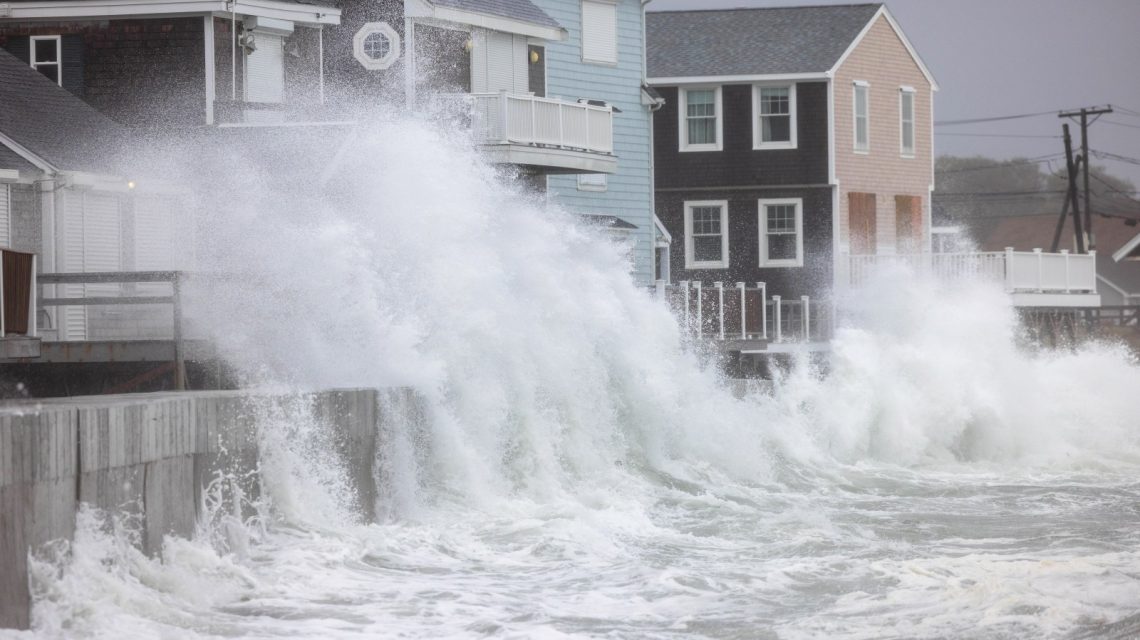
As a new nor’easter forms in the Atlantic, meteorologists warn that these coastal storms could pose significant threats to U.S. regions in the coming months, potentially surpassing the impact of hurricanes experienced this year. This storm arises weeks after a previous nor’easter impacted the East Coast in late September, causing widespread effects like strong winds and prolonged rains.
El Niño in the Pacific Ocean is largely responsible for the below-average Atlantic hurricane season activity this year. While El Niño increases wind shear that disrupts hurricane formation, it also strengthens the southern jet stream, possibly leading to more nor’easters during winter. A National Weather Service (NWS) meteorologist highlighted that this climatic pattern’s full impact unfolds during peak winter months, making its influence on the current nor’easter uncertain.
AccuWeather senior meteorologist Carl Erickson stated, “It’s possible the U.S. might see more nor’easters than tropical storms or hurricanes impacting the coast before the hurricane season ends on November 30. However, the capacity for nor’easters to affect coastal areas even when they remain offshore is notable.” The Atlantic hurricane season spans from June 1 to November 30; this year, nine named storms have emerged, including Hurricane Isaias, which made landfall in Destin, Florida, on October 9. An average season involves about 14 named storms, seven hurricanes, and three major hurricanes, according to the National Hurricane Center (NHC).
Nor’easter Evacuations and State of Emergency
The impending storm has led to multiple warnings, with the NWS issuing storm and gale alerts. A state of emergency was declared for Hatteras Island in North Carolina on Friday, prompting evacuation orders as the storm’s impact threatened to make Highway 12 impassable, potentially isolating the island for days. “Our greatest concern with this upcoming storm is the prolonged coastal impacts,” Erickson noted, anticipating wind gusts up to 60 mph along parts of the mid-Atlantic coast. The most severe effects are forecast for southeastern Virginia and the Outer Banks of North Carolina, where sustained onshore winds may cause coastal flooding, beach erosion, and road closures.
The nor’easter might display subtropical features, prompting further cautions from the NHC. “A robust non-tropical low-pressure area is predicted to form off the eastern U.S. coast shortly. This low will likely move slowly and erratically next week, with possible subtropical development,” the NHC advised. “Regardless of development, high winds, coastal flooding, and dangerous surf are expected along sections of the U.S. East Coast.”
Understanding a Nor’easter
The NWS defines a nor’easter as a storm along North America’s East Coast, typically characterized by winds originating from the northeast. These storms can emerge year-round but are most prevalent and potent from September to April. They frequently deliver heavy rain or snow, gale-force winds, turbulent seas, and occasional coastal flooding.
Nor’easter Vs. Hurricane: Key Differences
Nor’easters derive their name from the prevailing wind direction, as explained by the National Oceanic and Atmospheric Administration (NOAA). In contrast, hurricanes are tropical storms forming over warm waters, featuring distinct eyes and eyewalls absent in nor’easters. Hurricanes gain energy from warm ocean waters, whereas nor’easters harness energy from atmospheric temperature variations. Despite these differences, both storms can cause considerable disruptions; nor’easters produce heavy rain, strong winds, snow, and coastal flooding, while hurricanes commonly bring potent winds, intense rain, and storm surges.
Future Developments
Meteorologists continue monitoring the nor’easter. AccuWeather predicts its development over the weekend and intensification next week, with robust coastal winds expected from North Carolina to southern New Jersey through Tuesday. Coastal flooding and beach erosion may persist through Thursday. Residents in affected areas must stay updated with local weather alerts. Concurrently, El Niño strengthens, with the NWS Climate Prediction Center forecasting a strong-to-very strong phase from January to March. This pattern will likely affect U.S. weather over the fall and winter seasons.
 Southern California Faces Santa Ana Winds and Elevated Wildfire Risks
 Santa Ana Winds and Wildfire Risks in Southern California
 Historic Preservation Advocates Battle Changes Threatening Landmark Protections
 Alaska’s Soil and Agricultural Challenges
 Southern California Faces Santa Ana Winds and Fire Risks
 Climate Whiplash Hits Southern California: From Tropical Storms to Santa Ana Winds