The buzz of excitement fills campuses as students embark on the new academic year. Among the flurry of activities, the NPR College Podcast Challenge is back, inviting students to participate in a spirited competition. The challenge offers a $5,000 grand prize for the best college podcast in America, along with a $500 scholarship prize for finalists. In its sixth year, this competition attracts students from colleges across all 50 states and the District of Columbia.
Each year, the challenge showcases a diverse array of captivating stories. Winners and finalists have delivered compelling narratives across varied topics: a touching story from an international student at Miami Dade College who shares life with a rare mental health condition with humor and insight; a Fordham University senior discussing his grandparents’ battle with cancer and dementia through interviews and personal reflections; a Penn State freshman uncovering a little-known encounter involving a young Cassius Clay; and a Colorado College student’s exploration into her biological father’s identity as a jazz musician.
The College Podcast Challenge stems from NPR’s Student Podcast Challenge, initiated in 2018 for students in grades 4-12. This year marks the introduction of the Senior Podcast Challenge for participants aged 65 and older.
Participation Guidelines
The rules for this year remain mostly unchanged. Participants must submit an audio story no longer than eight minutes, ensuring it is free from copyrighted music. Detailed submission rules are available online. Each year, disqualification occurs due to non-compliance with these basic rules.
Improving Your Submission
Over time, the sound production and storytelling quality have improved significantly. Students have grown more adept at speaking into a microphone and skillful in editing. Yet, some pitfalls to be aware of include excessive use of sound effects and music scoring, which can detract from the story. It’s important to use sound effects sparingly or avoid them altogether. Similarly, the use of music should comply with rules regarding original, non-copyrighted music. Loud or constant music can overshadow the narrative and reduce its impact.
Guidelines for effective scoring and audio recording are available, alongside ethical considerations akin to NPR’s journalism standards. AI shouldn’t be used to write or produce podcast content. Additionally, ensure balanced storytelling by presenting both sides of the story. Gathering comments or respecting various viewpoints in the story is crucial. Discretion in sharing personal details of characters should be maintained. Further resources are accessible online.
With these insights, the stage is set for students to share memorable stories through the podcast format. It’s time to turn on the microphone and start recording!
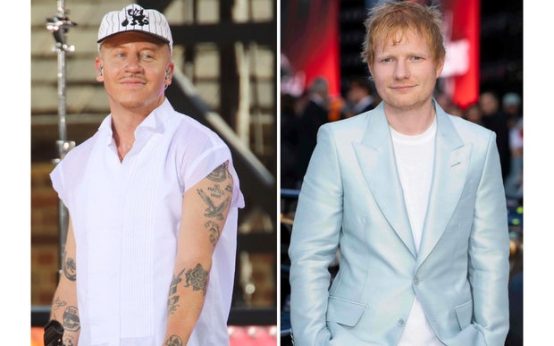 Ed Sheeran’s Philadelphia Concert Amid Controversy
 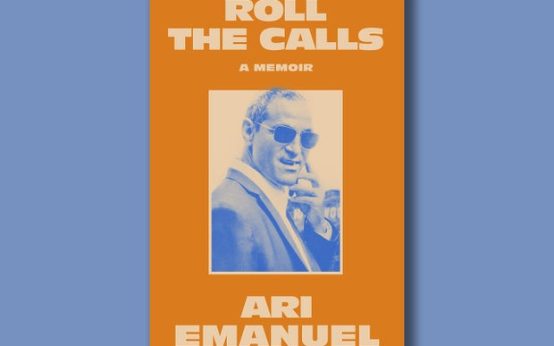 Memoir Details Ari Emanuel’s Journey in Hollywood
 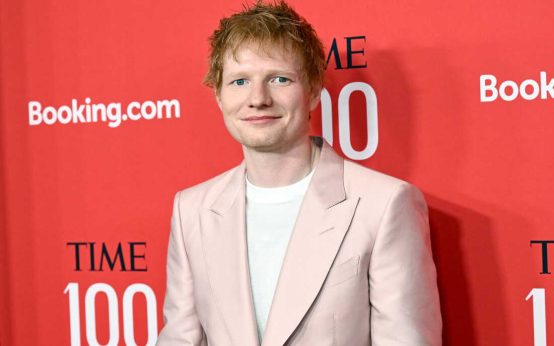 Ed Sheeran Addresses Gaza Controversy During Concert
  Child Stars Facing Legal Challenges: An In-Depth Look
  Weekend Events in Chicago
  Ms. Rachel’s Rise in Children’s Entertainment