The Modern Parenting Challenge
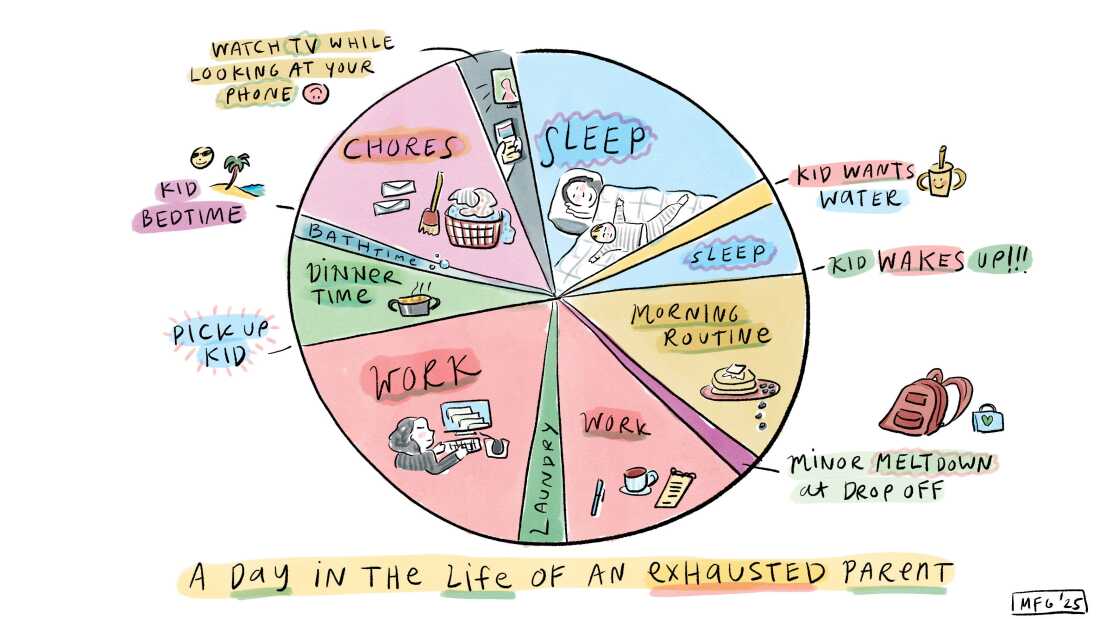
Today’s parents confront a demanding reality. An advisory from the U.S. Surgeon General in 2024 indicates that parents today devote significantly more time to childcare and work compared to two decades ago. This increased commitment leaves less room for personal time, relationships, and leisure activities.
Struggles and Stressors
Parenting has always been demanding, but current challenges amplify anxiety. Parents juggle work, childcare, and household responsibilities. Concerns extend to social media impact, school safety, and children’s mental health issues. Many parents feel overwhelmed by stress.
Survey Insights
The American Psychological Association’s survey in 2023 shows 48% of parents describe their stress as “completely overwhelming.” Recognizing burnout signs and addressing them can prevent further stress.
Recognizing Burnout
“If stress or exhaustion keeps you from enjoying family time, it might signal burnout,” says psychologist Nekeshia Hammond.
Common symptoms include agitation, irritability, or withdrawal from loved ones. Physical symptoms might include headaches, sleep disturbances, and appetite changes. Prolonged stress can lead to issues like high blood pressure or depression. Identifying symptoms early is crucial.
Managing Stress
During stressful times, take a moment to pause. Hammond suggests using a phone timer to give yourself 60 seconds of deep breathing. This exercise helps regain calm and assess personal needs. Practicing it regularly can aid mental health.
If unsure about burnout, consult a healthcare provider or mental health professional. Resources like Postpartum Support International and the National Alliance on Mental Illness offer guidance.
Handling Mental Load
Invisible labor or “mental load” can contribute to burnout. A study found moms handle 71% of household decision-making, planning, and problem-solving tasks.
Redistributing Tasks
Consider delegating responsibilities. Conduct a time audit with your partner, suggests Eve Rodsky, a gender labor division expert. Create lists of tasks for reallocation. Regular check-ins can help renegotiate roles and maintain balance.
Single parents should reach out for help when needed. Support from friends and family can lighten burdens.
Preserving Personal Identity
Increased work and childcare commitments lead to less personal time. Neglecting self-care affects family dynamics. Maintaining mental health is vital for parent-child relationships.
Prioritizing Self-Care
Vivek Murthy emphasizes the importance of self-care as essential, not indulgent. Balance sleep, friendship, diet, and solitude to promote well-being.
Exploring “unicorn space” for personal expression is vital. Rodsky’s three C’s guide finding interests: Curiosity, Connection, and Completion. Choose activities that ignite enthusiasm and foster personal values.
Despite challenges, self-care allows emotional health and joy. Taking time to recharge benefits both parent and child.
 A Mother’s Legacy: Navigating Emotional Storms and Choices
  Understanding Grief’s Impact on Parenting
  Rose Friedman: A Dedicated NPR Journalist Remembered
  Notable Lost Stories and Objects
  Protesters Rally at Lucas Museum Opening for Worker Protections
  Grieving Father Patrick Clancy Sheds Light on Family Tragedy