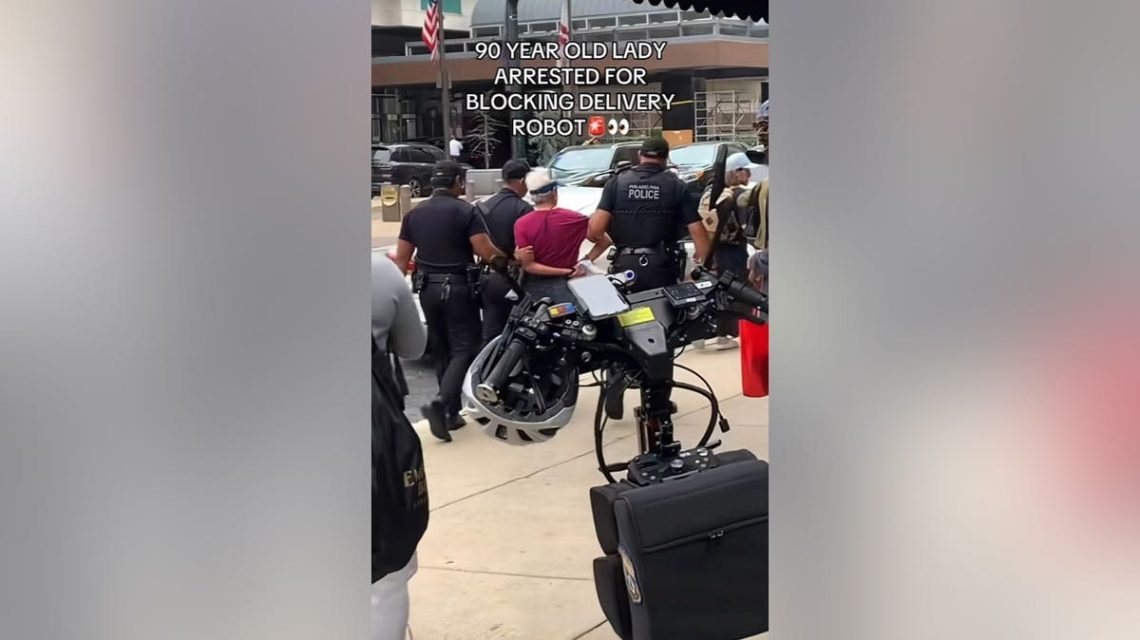
Many people encounter a food delivery robot on the sidewalk and simply move around it. However, a Philadelphia woman, Carolyn Marvin, chose to stand her ground. The 78-year-old retired professor positioned herself in front of an Uber Eats delivery robot, leading to her arrest when police arrived.
Delivery Robots and the Job Market
Marvin’s protest reflects a broader concern about automation replacing human jobs. As more companies including Uber Eats explore autonomous delivery, questions arise about the impact on employment for those in delivery roles. Robots don’t rely on tips or earn wages per delivery, potentially reducing costs for businesses.
Despite claims that robots complement rather than replace human workers, the practical effects on employment remain uncertain. Marvin’s protest is an exception, sparking dialogue about the role of robots in public spaces and job markets.
Pennsylvania Law on Delivery Robots
In Pennsylvania, delivery robots must adhere to pedestrian rules. They are required to yield to and safely navigate around pedestrians and cyclists. Marvin’s arrest does not automatically mean robots have precedence over pedestrians. Her disorderly conduct charge arose from her refusal to follow police directives rather than a legal declaration of robots’ rights.
Furthermore, operators must notify municipalities 30 days before deployment, allowing local authorities to restrict operations if robots pose a hazard. This leaves room for ongoing public input and regulation.
Why Companies Invest in Automated Delivery
Despite public concern, companies continue investing in autonomous delivery technologies. The convenience for urban customers is evident as these robots facilitate contactless, efficient food delivery using cameras and sensors for navigation.
Uber Eats and its partner Avride deploy robots reaching speeds up to 5 mph and carrying up to 55 pounds. An expansion in Philadelphia highlights the broader rollout of this delivery method, but details about operational impact on sidewalk congestion remain scant.
Citizen Involvement and Safety
As delivery robots become common, their presence demands attention regarding pedestrian safety and accessibility. Residents and local governments have a significant role in monitoring the use of public spaces by these machines. Noticing any safety hazards, documenting robot details, and contacting operators or authorities ensure accountability.
For those in the delivery industry, transparency from companies about automation plans is critical. Communities deserve the chance to influence policies that directly affect sidewalk use and employment.
This article includes insights from Kurt “CyberGuy” Knutsson, a tech journalist focused on technology’s impact on our lives. His observations underline the necessity for informed public discourse on the integration of autonomous technologies.
 Ukraine Restores Full Starlink Access Amid New Peace Talks
 Policy Violations Uncovered in Detention Center Following Death of Chaofeng Ge
 Lewiston Confronts Youth Gun Violence Amid Refugee Influx
 Data Centers Spark Political Debate Across the U.S.
 U.S. Navy Expands Contract for AI-Powered Ship Inspection
 Causes of Death for Burning Man Festivalgoers Revealed