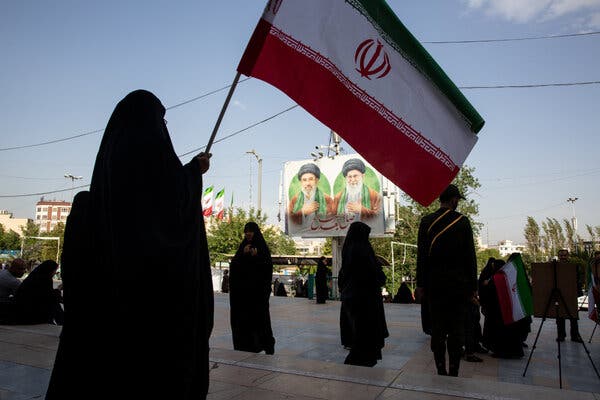
In Iran, political tensions are escalating as a small but vocal faction of hard-liners attempts to undermine potential diplomatic negotiations with the United States. These hard-liners have been active in organizing rallies and using state media outlets to voice their opposition to making any concessions.
Currently, it remains uncertain when, or even if, an agreement might be announced. President Trump had a lengthy meeting with his cabinet in the Situation Room, but a final decision was postponed, as revealed by a senior administration official. Meanwhile, Iran’s lead negotiator, Gen. Mohammad Bagher Ghalibaf, expressed distrust towards Washington, stating publicly that Iran would not act until the other party did so first.
In Iran, state television, led by a hard-line director, has been intensifying the divide within the nation. The media has framed ongoing negotiations as unsuccessful. On Monday, President Masoud Pezeshkian criticized state television’s approach during a meeting with its senior leaders, urging them not to promote discord. He reminded them that even the late Ayatollah Ali Khamenei, whom he quoted, believed negotiation was essential.
At a recent gathering of hard-line supporters in Tehran, attendees voiced their support for a firm stance against the U.S. and Israel. A state television reporter captured the sentiments of the crowd, with attendees calling for strong action and expressing willingness to support the hard-line approach fully.
The events underscore the ongoing political struggle in Iran over its foreign relations and peace negotiations, with opinions deeply divided across the political spectrum.
 Reader Perspectives on Social Security Reform and Competency-Based Degree Programs
  Republicans in Battleground States Urge End to Iran Conflict
  The Role of Consumer Choice in Restaurant Industry Dynamics
 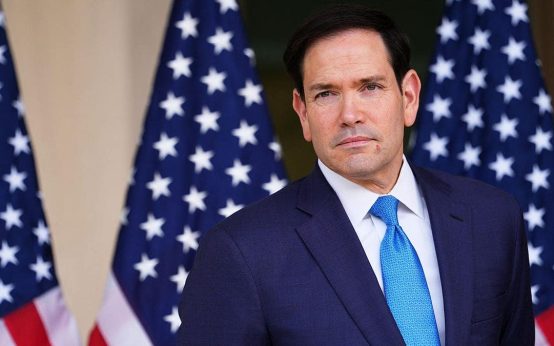 Marco Rubio: Effective Management in Trump Era
  Karoline Leavitt on Trump’s Tense Calls with Putin and Xi
 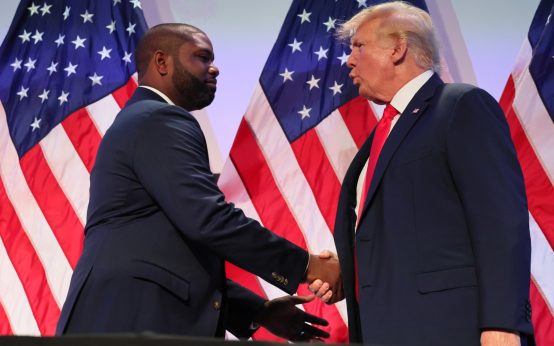 Florida Governor Race: Byron Donalds Adjusts Campaign Approach