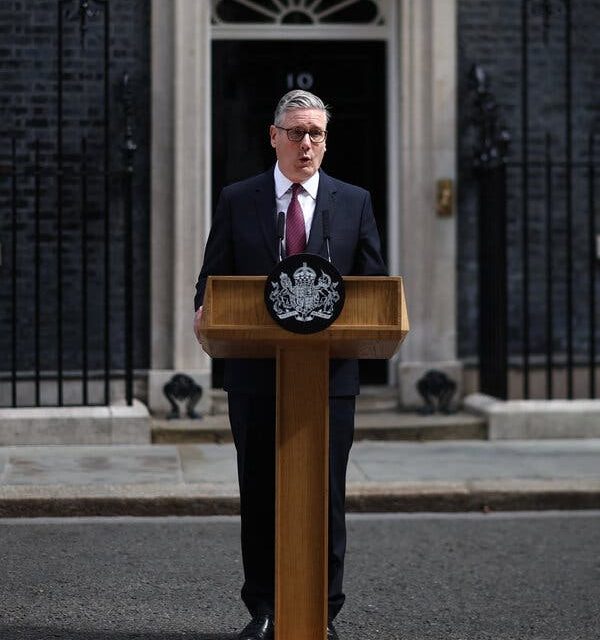
A decade ago, I learned about Britain’s decision for Brexit while in southeast London. My seven-year-old daughter couldn’t understand why Britain wanted to leave Europe, questioning if they aimed to head to Africa. This marked the start of ongoing political instability. Recently, yet another prime minister resigned, adding to post-Brexit leadership changes. Keir Starmer, who secured a massive electoral win within the last two years, faced diminishing trust both from the public and his party members.
The candidate set to succeed him is liked by many and has an appealing background from northern England. This raises questions about whether such traits are sufficient. Britain’s economic challenges, worsened by exiting the EU, appear to demand more than just fresh leadership for resolution.

Ten Years, Six Prime Ministers
The signs of change were evident. The right-wing Reform U.K. party, led by Nigel Farage, outpaced the ruling Labour Party in polls over a year ago. This led to their victory in local elections across England, and calls for Starmer’s resignation have persisted since.
His Monday resignation marks a dramatic end for someone whose party enjoyed one of the largest postwar parliamentary majorities merely two years prior.
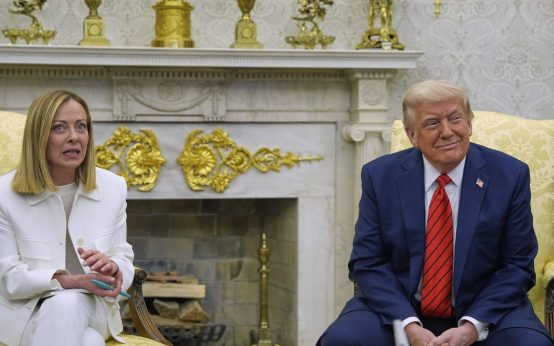 Italian PM Giorgia Meloni Skips UN General Assembly Amid Growing Tensions
  Calls Grow for Ireland’s Soccer Team to Boycott Matches Against Israel
 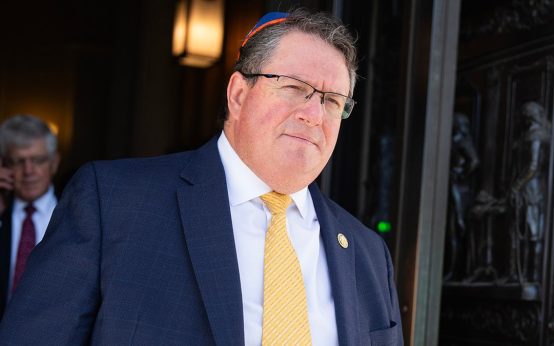 Congressman Randy Fine’s Bold Political Stance and Views on AI Regulation
 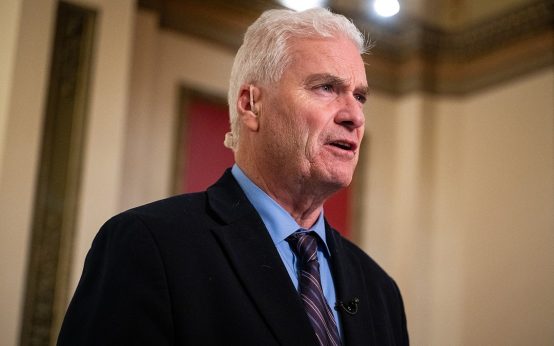 Political Messaging and Strategy Leading Up to Midterms
  President Trump Proposes ‘Super Intelligence’ as New AI Term
  Trump Administration Considers Diesel Export Ban Amid Rising Prices