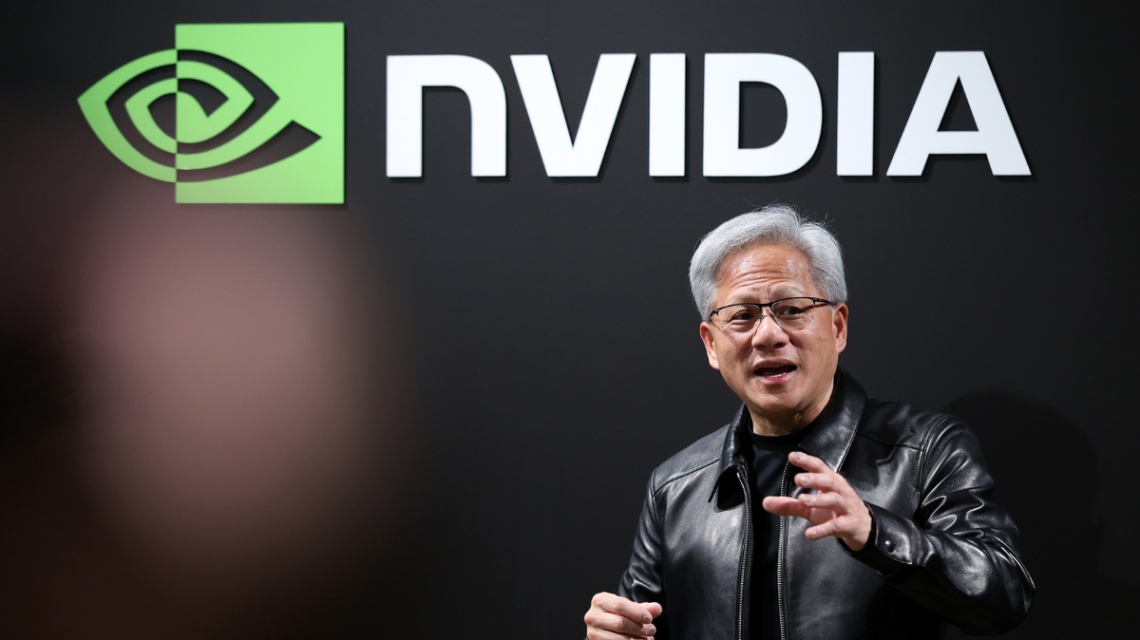
American tech executives face increasing threats from foreign intelligence services using various espionage tactics. Experts warn these operations aim to infiltrate U.S. export controls and supply chains. Recent reports involving NVIDIA’s CEO, Jensen Huang, and Megaspeed executive Alice Huang, identified as a Chinese intelligence asset, highlight these concerns.
Such espionage operations against high-profile tech figures are not new but indicate a persistent threat. Ira Winkler, a former National Security Agency analyst and corporate cybersecurity expert, emphasizes the intentional exploitation of business environments. These tactics are part of long-term threats, he shared with Fox News Digital.
Rebecca Grant: Jensen Huang owes America and NVIDIA owes investors explanations for the ongoing situation. Huang has advocated for easing AI chip sale restrictions to China, thrusting the company into the U.S.-China AI competition.
“The situation involved using sex to establish a relationship. This approach was not necessarily coercive but maintained long-term access and played on the person’s ego,” Winkler explained. These methods have been around for decades, he noted.
Foreign adversaries often target tech executives at business events where defenses are down. Winkler described tech events as prime meeting points, where people with access attend.
Chief executives are less likely to meet strangers in public places. Instead, spies blend into professional settings to gain opportunities to build connections. In NVIDIA’s case, Alice Huang accessed privileged information through business links with Singapore-based Megaspeed International, suspected of bypassing AI hardware export restrictions.
“Long-term cooperation is often involved, aimed at avoiding export restrictions and obtaining information,” Winkler said. Spies receive training in social interactions, making contact in various settings.
The intersection of AI advancement and foreign espionage increases scrutiny on Silicon Valley leaders. Intelligence officials caution executives to view standard networking as potential entry points for foreign agents, Winkler indicated.
Security experts highlight that human vulnerabilities are a primary way U.S. adversaries aim to undermine technological leadership. Modern corporate espionage focuses on sustained access rather than immediate coercion, Winkler added.
Foreign intelligence services build long-term influence to gather insights into executive decisions through personal relationships. “It’s unlikely that blackmail occurred here, but the lasting relationship raises questions,” Winkler stated.
 T-Mobile’s Latest Deals on Smartwatches
 Spy Tactics in Corporate Espionage: The Case of Nvidia’s CEO
 Skepticism Surrounds Anthropic’s Bold Predictions on AI’s Role in Curing Diseases
 Amazon Launches Prime Air Drone Delivery in South Suburbs
 Google’s New AI Model: Hydrogen
 Michael Burry’s Take on Nvidia’s Scandal and Future