
In the recent Michigan Democratic primary for the U.S. Senate, Abdul El-Sayed achieved a narrow victory against Rep. Haley Stevens. Despite polls projecting a significant lead for El-Sayed, the actual results deviated considerably from expectations.
Before the election, polls suggested that El-Sayed held a double-digit advantage over his opponent. The election outcome, however, surprised many with its close margin. This divergence has led to renewed scrutiny of how accurate polls are in forecasting election outcomes, particularly in statewide primary races.
Polling discrepancies like this are not unprecedented in primary contests. These elections often involve a smaller and less predictable voter turnout, complicating accurate data collection and analysis. Voter preferences can shift rapidly in primaries, making it challenging for polls to reflect the current voter sentiment accurately.
Experts often caution against relying solely on polls for election predictions, especially in primary elections. While they can offer a snapshot of prevailing trends at a specific moment, the dynamic nature of electoral politics means outcomes can differ significantly from pre-election predictions. Therefore, while polls serve as a useful tool for understanding potential scenarios, they should be interpreted with caution and supplemented with other analytical methods.
 VP JD Vance Trails Potential Democratic Contenders in Early Polling for 2028 Election
  Rising Beef Prices: Causes and Policy Responses
 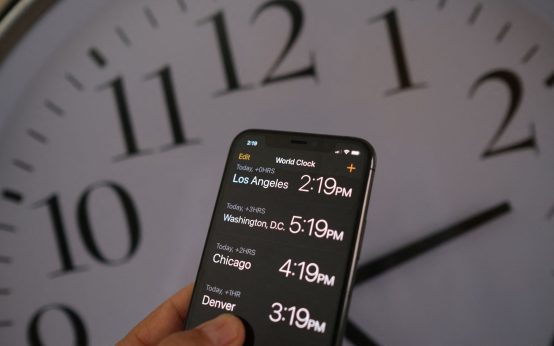 The Push for Permanent Daylight Saving Time
  Trump Visits New York Mayor Mamdani at Gracie Mansion
  Congressional Inaction Amid AI Concerns
  Zohran Mamdani Faces Backlash at Staten Island Event