
In January, a revealing interview took place between Stephen Miller and CNN journalist Jake Tapper. Miller, associated with the Trump administration, was basking in the aftermath of a military raid aimed at capturing Venezuela’s president, Nicolás Maduro. Miller’s message was clear: America would no longer play the role of the world’s obliging supporter. The nation would instead wield its power without hesitation, asserting its influence globally.
This sentiment epitomized Donald Trump’s approach to power, articulated through one of the administration’s staunchest voices. The United States is undeniably a powerful nation, possessing the world’s most substantial economy and a dominant currency in global markets. More crucially, the U.S. military stands as the most sophisticated and advanced, bolstered by high-tech capabilities and elite special forces.
With this aggressive confidence, the Trump administration embarked on a controversial military action against Iran over two months ago. Trump seemed to anticipate a clear display of American strength, shedding what were seen as the limitations of international law and engaging in decisive military action, a concept supported by Defense Secretary Pete Hegseth.
The situation has not unfolded as expected. Despite significant losses among its leadership, Iran has responded effectively, causing substantial harm to America’s regional allies and military installations. Iran’s control over the Strait of Hormuz has become a strategic advantage, impacting global fuel prices and leading to shortages in various regions.
During his interview, Miller stated, “We live in a world governed by strength, force, and power.” However, the consequences of the Iran conflict challenge this notion. The Trump administration’s approach reflects a misunderstanding of power, erroneously equating it with the ability to exert force, when in reality, they are distinct concepts.
Miller’s assertive stance brings to mind Thucydides’ “History of the Peloponnesian War,” an important text discussing the dynamics of conflict between ancient powers Athens and Sparta. The Athenians famously told the people of Melos, a neutral island, “The strong do what they can and the weak suffer what they must,” demanding submission or face annihilation.
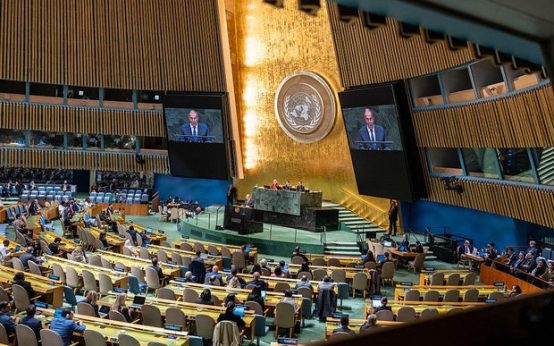 Escalating Tensions at the UN: Russia Accuses Europe of Blocking Peace Plans
  Senate Democrats Question if Kennedy Struck Deal in Vaccine Lawsuit
 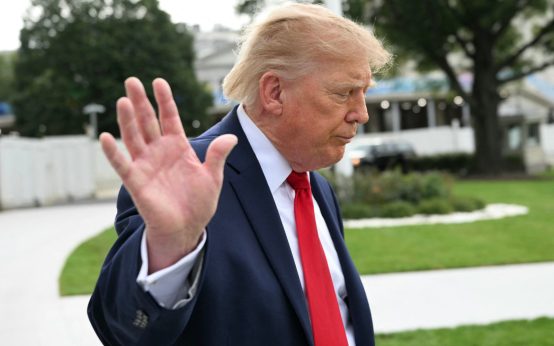 Trump’s Beef Import Policy Impact on Approval Ratings
  The Supreme Court’s October Term: Key Cases to Watch
  DHS to Overhaul Redaction Process with New Technology
 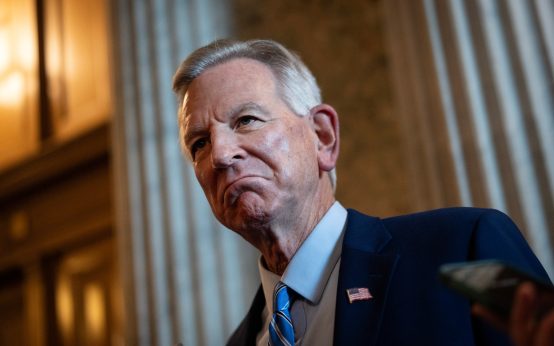 Senator Tuberville Proposes Major Overhaul to U.S. Immigration System