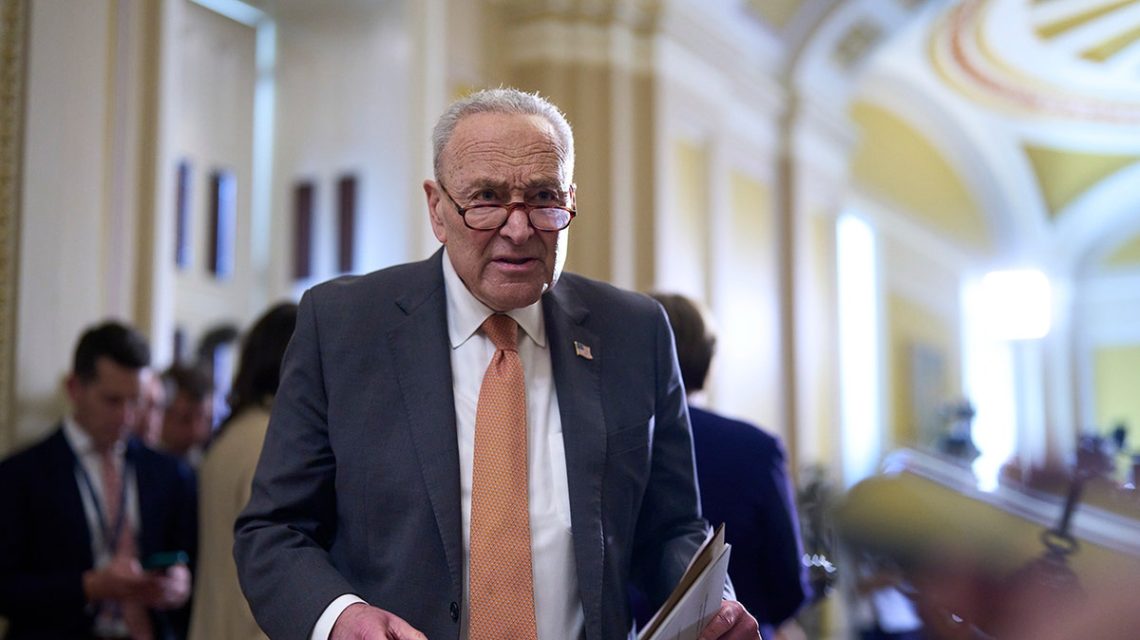
Recent polls indicate Democrats may have an advantage in the upcoming 2026 midterm elections, positioning them as likely candidates to regain control of the Senate. According to RealClearPolitics, Democratic candidates are leading in several key states. In North Carolina, they hold an 8% lead, 4% in Minnesota, 3% in Texas and Ohio, with a 2% advantage in Michigan, Maine, and Alaska.
President Trump’s approval rating, hovering under 40%, raises questions about its potential impact on Republican candidates nationwide. Democrats need to flip four seats, assuming no Republican gains in Michigan, Minnesota, or Georgia, making the Senate a realistic target based on current data.
However, the elections are still two months away, a significant period in politics. Democratic candidates face personal and party vulnerabilities, making their victory uncertain despite promising polls.
Polls showing Democrats’ lead in places like North Carolina and Texas fall within the margin of error. Voter engagement typically increases after summer, potentially altering these figures as high-frequency voters, who often support Democrats, turn out. Yet, frustrations with the Trump administration can only propel Democratic success to a point, as candidate quality remains crucial for moderates and swing voters.
Republicans have found a strategy in associating Democrats with Democratic Socialists of America, painting them as extreme leftists. This narrative took root during Trump’s campaign against Kamala Harris in 2024, capitalizing on her positions on contentious social issues. Observations point out increasing left-leaning movements within the Democratic party.
Focal races in Texas, Michigan, and Maine could determine Republicans’ ability to retain Senate control. Democratic candidates like James Talarico, Abdul El-Sayed, and Troy Jackson are identified with intensely liberal ideals, potentially alienating voters. Criticism includes Talarico’s stance on transgender sports participation, El-Sayed’s controversial positions, and Jackson’s inconsistencies.
Republicans also aim to link moderate Democrats, such as Mary Peltola in Alaska, to extreme ideologies through association with DSA. GOP strategy in Alaska targets local issues like energy sector interests to strengthen their position.
Adding to Democratic challenges, securing the 51 necessary seats involves overcoming Vice President JD Vance’s tiebreaking vote and potential shifts from Sen. John Fetterman towards GOP alignments, given his recent GOP convention appearance.
Republicans benefit from a strong financial position, with the Republican National Committee holding $128.5 million compared to the DNC’s $16.3 million. Combined major Republican committees and associated super PACs report $657 million available, dwarfing the Democrats’ $334 million.
President Trump’s super PAC further bolsters Republican finances with over $400 million.
Despite hurdles, Democrats have a plausible chance at reclaiming the Senate, especially in states like Alaska and Texas, where a Democratic lead seemed unlikely previously. Yet, midterms are uncertain, with current leads not guaranteeing election wins.
The narrow margins in key states, concerns over candidate appeal, DSA’s influence, and Republicans’ financial edge cast doubts on the Senate’s potential turnover. Professional insights suggest Democrats face significant challenges despite apparent momentum.
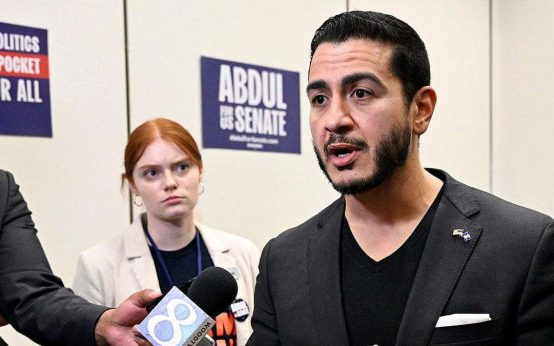 Controversy Surrounds Abdul El-Sayed’s Participation in ISNA Conference
  Former Army Secretary Dan Driscoll Discusses Military Innovation and Ukraine’s Strategic Role
  U.S. Maritime Blockade and Its Impact on Energy Prices
 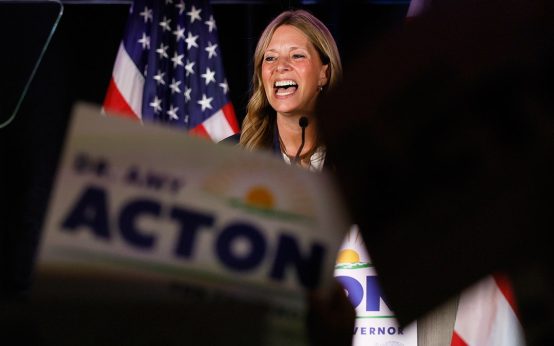 Confrontation at Amy Acton’s Campaign Event in Ohio
  Trump’s Childhood Home Renovated and Sold for Nearly $2 Million
  Bill Maher Criticizes Macklemore and Others Over Comments on Gaza