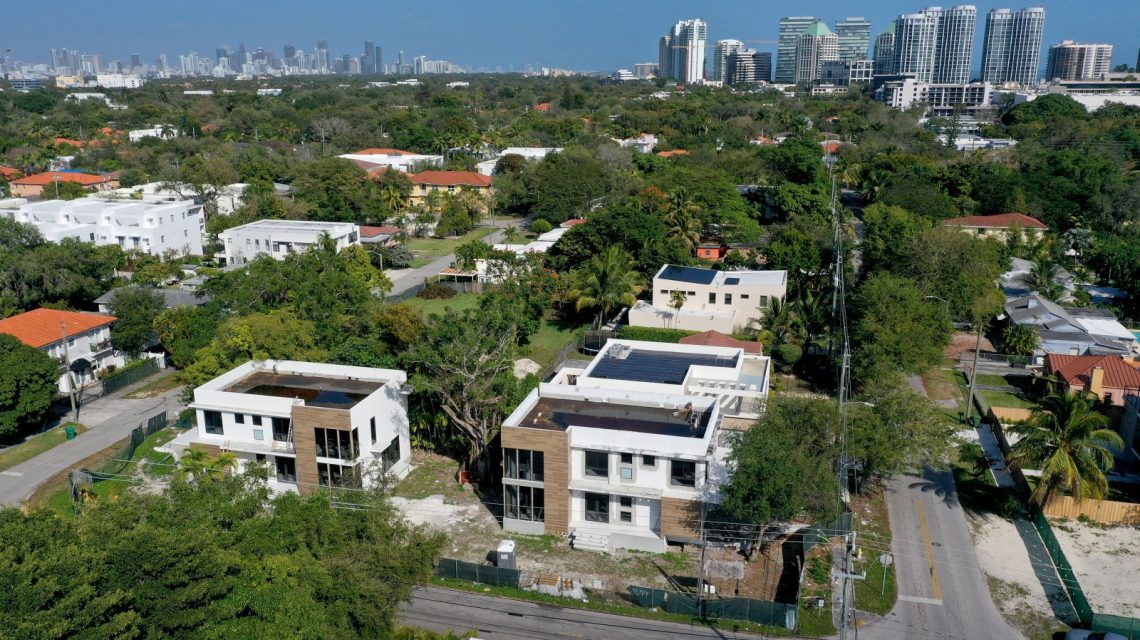
Florida Governor Ron DeSantis is advocating for a progressive reduction in property taxes aiming to benefit local homeowners. This proposal excludes certain groups like seasonal travelers and out-of-state investors, who already encounter substantial fiscal challenges. During a recent discussion in Brevard County, DeSantis emphasized: “Some wealthy individuals buying properties in areas like South Florida shouldn’t receive tax exemptions. The focus is on supporting longtime Floridians.”
While affluent buyers may cope with the changes, this plan might stir discontent among snowbirds, significantly impacting Florida’s seasonal economy. Many from Canada and Northern states have started divesting their properties, wary of rising home insurance rates, homeowners association duties, and local surtaxes.
Florida’s Property Tax Reform Proposal
Since last year, DeSantis has pursued the complete removal of homestead property taxes, though legislative progress is pending. A bill passed by the Florida House proposed increasing the homestead exemption over a decade, culminating in the total exemption from non-school taxes by 2037. Currently, a resolution remains stalled due to the absence of a special session on this matter.
DeSantis insists that tax responsibility should not shift to small businesses and underscores maintaining funds for law enforcement and education. Non-residents should not immediately qualify for exemptions; long-term residents should be prioritized. “New arrivals should pay taxes for a set period before qualifying for benefits,” DeSantis mentioned, reflecting the sentiments of many Floridians.
With no formal plan or timeline available yet, any enacted change must occur before mid-August, aligning with procedural deadlines for November’s ballot proposals.
Impact on Residents and Economy
Rising property taxes, a nationwide trend exacerbated by increased home values during the pandemic, doubled in Florida to around $55-60 billion. Though the effective rate in Florida was moderate, residents express a strong desire for tax relief. Surveys reveal differing views on whether to maintain property taxes as-is or increase the state’s general sales tax.
Opposition suggests that losing property tax revenue might necessitate raising Florida’s sales tax rate to the highest in the United States, a costly trade-off for maintaining public services.
Consequences for Snowbirds and Real Estate
Snowbirds and out-of-state investors, lacking homestead exemptions, face higher tax obligations than permanent residents. DeSantis’s proposal seemingly targets these groups, raising costs and potentially driving them from Florida. Testimonies like that of Colleen Terry, revealing struggles with escalating costs, illustrate these challenges.
Canadian snowbirds, previously major contributors to Florida’s seasonal economy, are increasingly exploring international alternatives. Survey data indicates a decrease in Canadian visits to the U.S., with many considering selling their Florida properties.
A significant exodus of snowbirds might harm Florida’s economy, particularly impacting the real estate sector historically reliant on this demographic’s financial input. Critics warn that passing on increased tax burdens to tenants could escalate living costs.
The debate continues among stakeholders, with various opinions on the need for legislative action or restraint.
 Former Roanoke Swimmer Criticizes Virginia’s Policy Shift on Transgender Athletes
  Rep. Young Kim Targets Congressional Self-Enrichment with New Resolution
  Trump’s Influence on 2020 Election Claims Continues to Affect GOP
  Republican Strategy in Upcoming Elections Amid Democratic Socialist Presence
  Trump’s Strategy to Address Prescription Drug Pricing
  Democrat Gaining Traction in Texas Senate Race