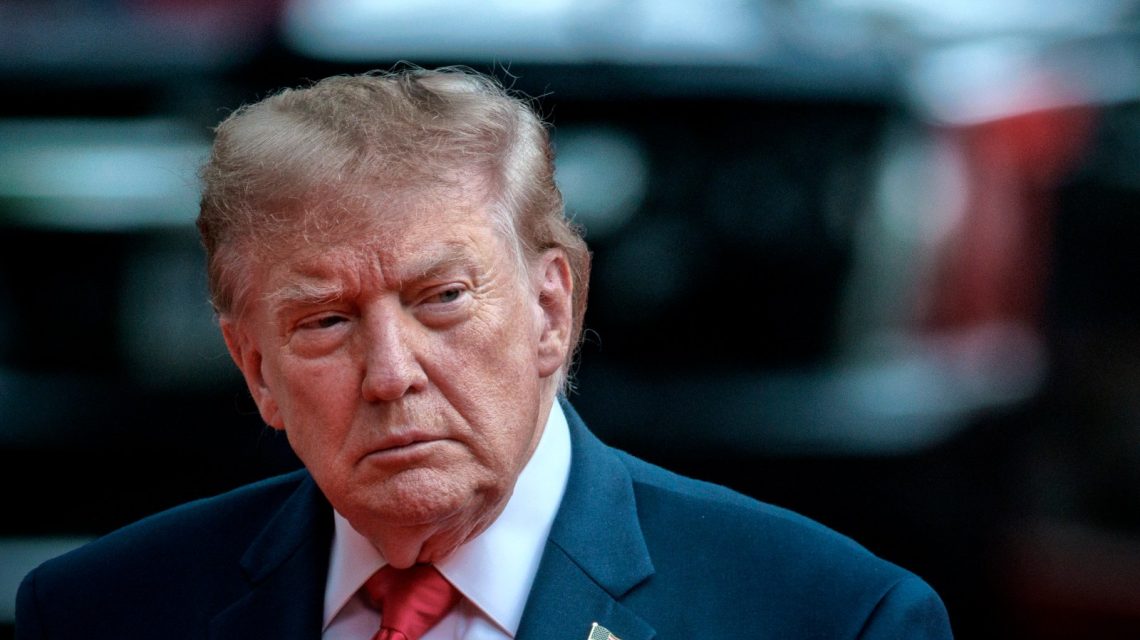
President Donald Trump’s approval rating has declined since the recent midterm elections. These elections saw Democrats gaining control of both the House of Representatives and the Senate. According to RealClearPolitics’ latest polling aggregate, Trump’s net approval rating stood at -21.7 points. On average, 37.9% approved while 59.6% disapproved of his performance.
Three weeks earlier, his net approval was slightly better at -20 points, with 59.1% disapproving and 39.1% approving. Voter dissatisfaction with the Iran war and economic issues have contributed to this decline. These factors have created challenges for the GOP in maintaining their congressional majorities.
The Democrats are poised to control 56 Senate seats and between 259 to 260 House seats when Congress convenes in January. Experts link these majorities to public sentiment about the president. Grant Davis Reeher, a political science professor, noted Trump’s image as a winner has diminished. States like Texas, traditionally Republican, voted for Democrats this cycle.
Reeher stated that improving approval ratings in a president’s final term is difficult. However, Trump’s already low ratings may leave room for improvement if unpopular policies are addressed and the economy progresses.
Polls conducted by YouGov and The Economist affirm this decline, showing a net -30 approval, with 33% approving and 63% disapproving among respondents. A previous poll indicated a -26 net rating with 36% approval. Morning Consult’s data, however, still places Trump’s net approval at -17.
What Trump’s Approval Rating Means for Republicans’ Future
With Republicans now the minority in Congress, Democrats can block major parts of Trump’s agenda over the next two years. Discussions on potential candidates for 2028 have begun. Figures like Vice President JD Vance and Secretary of State Marco Rubio are mentioned, though some Republicans suggest alternatives like Florida Governor Ron DeSantis.
Trump has reshaped Republican politics significantly, creating both opportunities and challenges for lawmakers who have supported his measures. Reeher emphasized that distancing from Trump will be difficult for those with a record of support. Nevertheless, some may try to adopt his approach but moderate their rhetoric.
Republican Ryan Zinke mentioned to NewsNation that discussions about a post-Trump era are ongoing, acknowledging the challenges he left behind.
Trump has expressed discontent with the polls reflecting his decrease in approval. On Truth Social, he criticized them as “fake” and accused them of demoralizing Republicans to hinder voter turnout.
The evolution of Trump’s approval rating will be influential as the country heads toward the 2028 elections. This period may determine how Republicans position themselves in response to the Democratic push for the presidency.
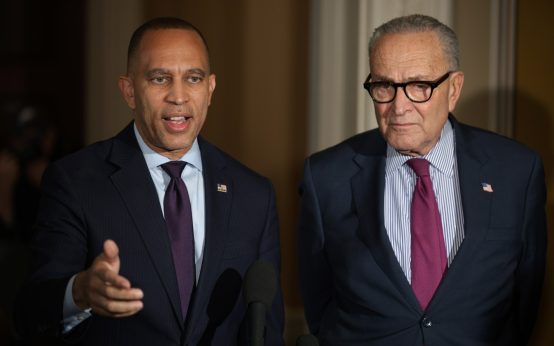 Democrats’ Strategic Decisions Ahead of New Congress
 Texas Governor-elect and YouTube Teacher Unite to Oppose Family Detention
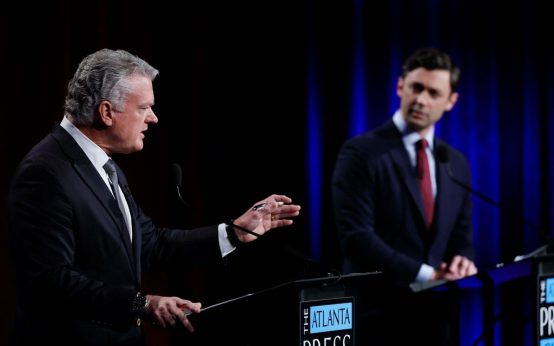 House Ethics Probe Results in Repayment from Congressman Mike Collins
 Veterans and Medicare: Key Insights for Turning 65
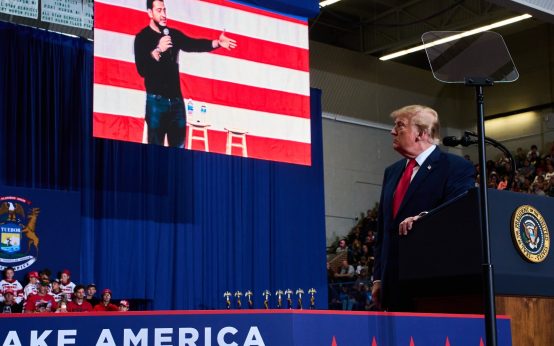 Trump Praises El-Sayed Amid Push for Medicare for All
 Alberta Higher Education Institutions Face Political Neutrality Mandate