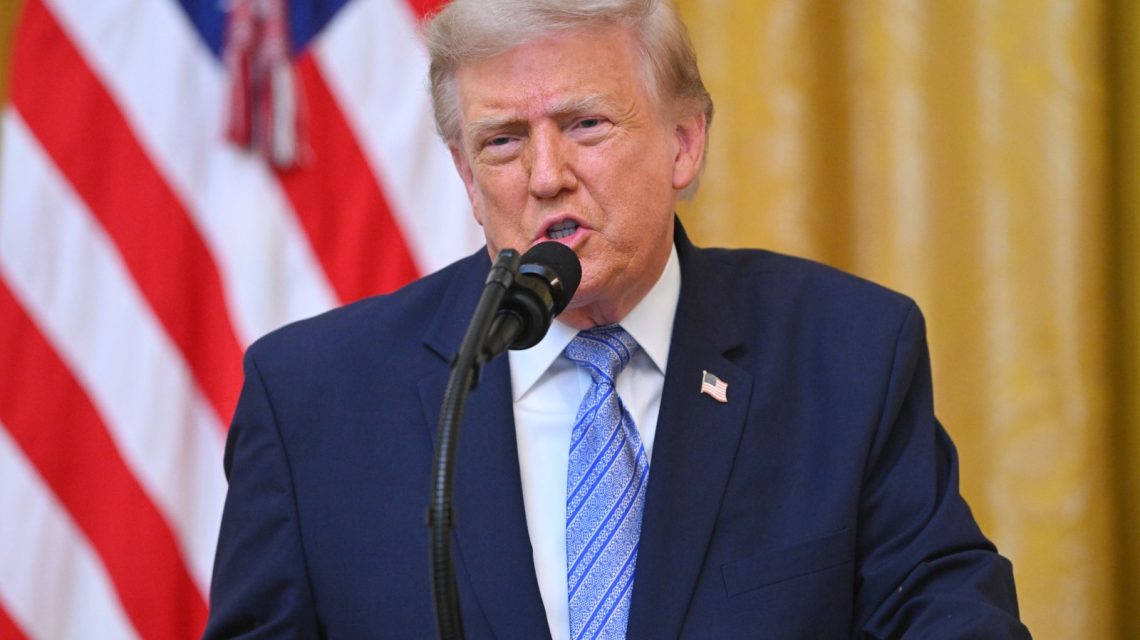
Trump’s Claims on Election Interference
President Donald Trump recently delivered a primetime address accusing China of interfering in the 2020 election. He alleged a significant compromise in election data, claiming China obtained 220 million U.S. voter files containing sensitive information. Additionally, the White House mentioned a Department of Homeland Security review found 278,000 noncitizens on state voter rolls. Trump’s assertion included accusations that China attempted to produce illegal ballots for Joe Biden, supported by alleged FBI intelligence.
Responses from Republicans
Despite support from some conservative circles, Trump’s claims faced skepticism from several Republicans. Ben Ginsberg, a former election lawyer for the Republican Party, expressed doubt, citing a lack of evidence and documents to substantiate Trump’s allegations. He suggested that inconsistencies in election systems could be addressed by increasing federal funding to states, mentioning that elections are often underfunded.
Representative Thomas Massie from Kentucky and Stephen Richer, a former Recorder for Maricopa County, both rejected Trump’s claims regarding voter data and machine vulnerabilities. Georgia Secretary of State Brad Raffensperger highlighted the state’s effective citizenship verification processes, emphasizing their thoroughness in checking voter eligibility.
Mixed Reactions to Trump’s Speech
While some Republicans backed Trump’s claims, others criticized them, leading to mixed reactions. South Carolina Representative Nancy Mace supported Trump’s call for the SAVE America Act to prevent noncitizens from voting. Meanwhile, Democrats like Senator Ed Markey condemned Trump’s speech, advocating for impeachment for undermining free elections. Senator Mark Warner warned of the potential consequences if Trump’s assertions were allowed to stand, calling them a threat to the country’s democratic values.
Concerns Over Cybersecurity Cuts
Trump’s remarks also brought attention to significant cuts at the Cybersecurity and Infrastructure Security Agency (CISA). Critics questioned why, if Trump prioritized election integrity, the agency faced funding reductions and staff losses. Former U.S. Ambassador to Russia Michael McFaul expressed confusion regarding these cuts. CISA, established during Trump’s first term, was tasked with protecting infrastructure, including election systems, but has encountered obstacles in countering misinformation and faced reduced support from the Trump administration.
Questions about these decisions linger, with critics pointing to the reduction of CISA personnel and budget cuts as undermining election security efforts.
 Far-Left Groups Allegedly Organize Protests in Austin
 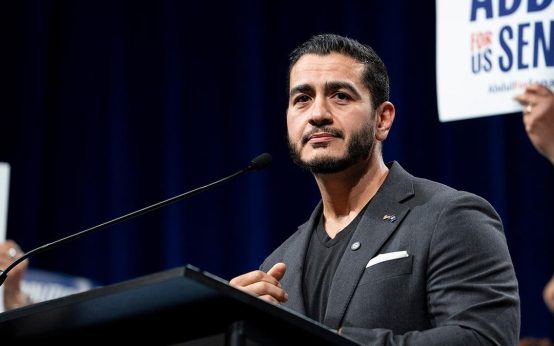 Michigan Senate Nominee Abdul El-Sayed Criticized for Remarks on Reproductive Rights
  AFL Investigates Fairfax County Schools’ 9/11 Teaching Guidance
 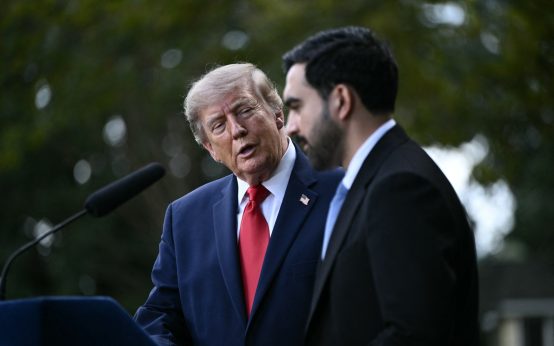 Poll Reveals Voter Preferences Between Socialist Democrats and MAGA Republicans
  Challenges of Electing a Female President: Insights from ‘The View’
  Upcoming Concerns and Influence in Health Politics