Recent trends in the economy and inflation have taken center stage, affecting the daily lives of Americans. Rising costs are noticeable during trips to grocery stores and gas stations and these affect both household and business decisions.
Unexpected Job Cuts and Labor Market Trends
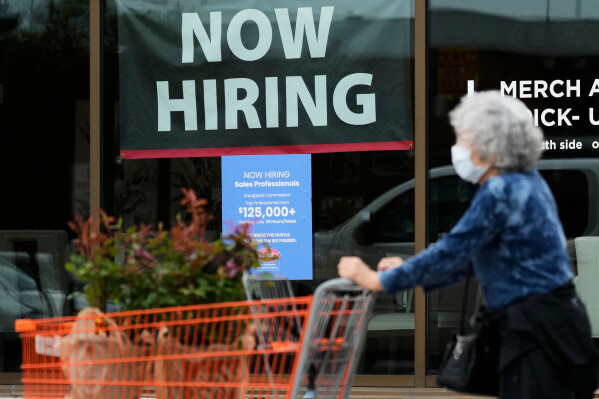
Last month, U.S. employers unexpectedly cut 23,000 jobs. Additionally, revisions from the Labor Department removed 103,000 jobs from payrolls in May and June. The unemployment rate dipped to 4.1% as many Americans left the job market. Local public schools saw a reduction of 50,000 jobs, while restaurants and bars cut 26,000, and retailers 19,000.
The decline to a 4.1% unemployment rate, the lowest since June 2025, resulted from 264,000 individuals exiting the labor market. This drop in workforce participation brought the share of people working or looking for work down to 61.4%, the lowest since February 2021.
Job Openings and Labor Market Resilience
Despite the recent economic shock from fighting in Iran and the closure of the Strait of Hormuz, the U.S. labor market continues to show resilience. Job openings slightly declined in June to 7.36 million from 7.54 million in May. Warehouse, transportation, and utility companies saw openings rise by 97,000, and federal government agencies by 39,000. However, openings fell for wholesalers and manufacturers of nondurable goods.
Layoffs remained stable at 1.8 million and there was a slight increase in the number of people quitting their jobs, indicating continued confidence in job prospects.
Rising Mortgage Rates and Its Implications
The average long-term U.S. mortgage rate rose for the fifth straight week to 6.69%, impacting homebuyer’s borrowing costs. This represents the highest level in over a year, affecting purchasing power and prompting potential homebuyers to reconsider buying plans. The benchmark 30-year fixed mortgage rate increased, limiting purchasing power and contributing to sluggish home sales this year.
Conversely, the borrowing costs for 15-year fixed-rate mortgages, popular among those refinancing, decreased slightly to 6.01%.
Jobless Benefits Filings and Layoff Trends
Applications for unemployment benefits increased last week by 1,000 to 199,000. Though the number of filings rose slightly, layoffs remain at historically healthy levels in recent years. Jobless aid filings are closely watched as they reflect real-time health of the job market.
Wall Street Reactions
In response to job cut reports, Wall Street witnessed a rise in stocks and a fall in Treasury yields. The S&P 500 showed slight gains, along with the Dow Jones Industrial Average and the Nasdaq Composite. Major indices were poised for weekly gains, with reactions from the bond market suggesting the Federal Reserve might slow down interest rate hikes to combat inflation.