
The United States experienced its hottest month on record last month, according to the National Oceanic and Atmospheric Administration (NOAA). The average temperature in July reached 76.89 degrees Fahrenheit (24.94 degrees Celsius) across the mainland, surpassing the previous record set during the Dust Bowl in July 1936 by an eighth of a degree. This data is significant as records have been maintained since 1895.
Meteorologist Jeff Masters from Yale Climate Connections commented on the gravity of the situation. “Breaking records from the Dust Bowl era signifies serious trouble,” he said. The Dust Bowl was a severe drought and heat event in U.S. history that led to massive migrations. The current situation, marked by unusually high temperatures, poses severe implications.
While Alaska experienced cooler temperatures, the contiguous United States was enveloped in above-average heat, particularly in the Mountain West, Southwest, Northern Plains, and Southeast. According to Russ Vose from NOAA’s National Center for Environmental Information, every state in the Lower 48 was at least 1 degree Fahrenheit warmer than the 20th-century average.
The Dust Bowl’s heat was concentrated in specific areas and exacerbated by agricultural practices of the period, Vose explained.
This year’s extreme heat is attributed to the burning of fossil fuels like coal, oil, and gas. Katharine Jacobs, a climate scientist at the University of Arizona, emphasized that these conditions align with the patterns of climate change, marked by high temperatures, droughts, and fires.
NOAA highlighted that the primary contributor to this record-setting heat was the increase in nighttime temperatures, which smashed previous records by 0.7 degrees Fahrenheit. As nighttime lows rise, human health risks and sleep disturbances increase, scientists warn. Studies show that the lack of cooling at night compounds heat stress on the body.
Photos from July 2026 depict extreme heat challenges. For example, Ruth, an 11-year-old from Virginia, receives cold water on her head to cool down, and Dean Malcom in Detroit hydrates while working in severe heat conditions.
The summer of 2021 tied with 1936 as the hottest in U.S. history for the months June through August. July 2026 was slightly cooler than 2021, driven by the intense heat of June. Masters cautions that due to climate change, “this might be one of the cooler years we’ll experience moving forward.” He advocates for reducing fossil fuel use and investments in adaptive measures for the modified climate.
The Associated Press (AP) covers climate and environmental issues, supported by various private foundations. These foundations do not influence AP’s content, as stipulated on their website, AP.org.
 Justice Alito’s Recusal in Climate-Change Case Alters Supreme Court Dynamics
  Challenges Facing President Trump: Nuclear Issues, Climate Crisis, and AI
 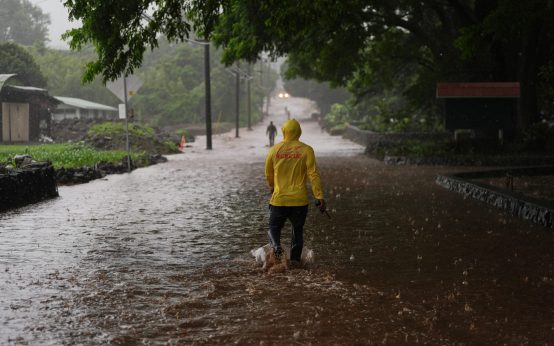 Hurricane Polo Threatens Baja Peninsula; Hawaii Braces for Nolo
  Fuel Efficiency Standards Rolled Back
  Marram Grass Transplantation at Indiana Dunes State Park
 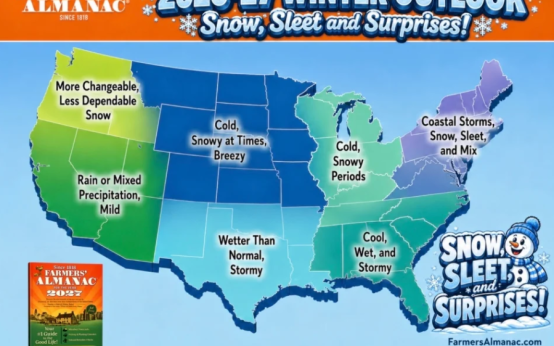 Winter Weather Forecasts for 2026-2027