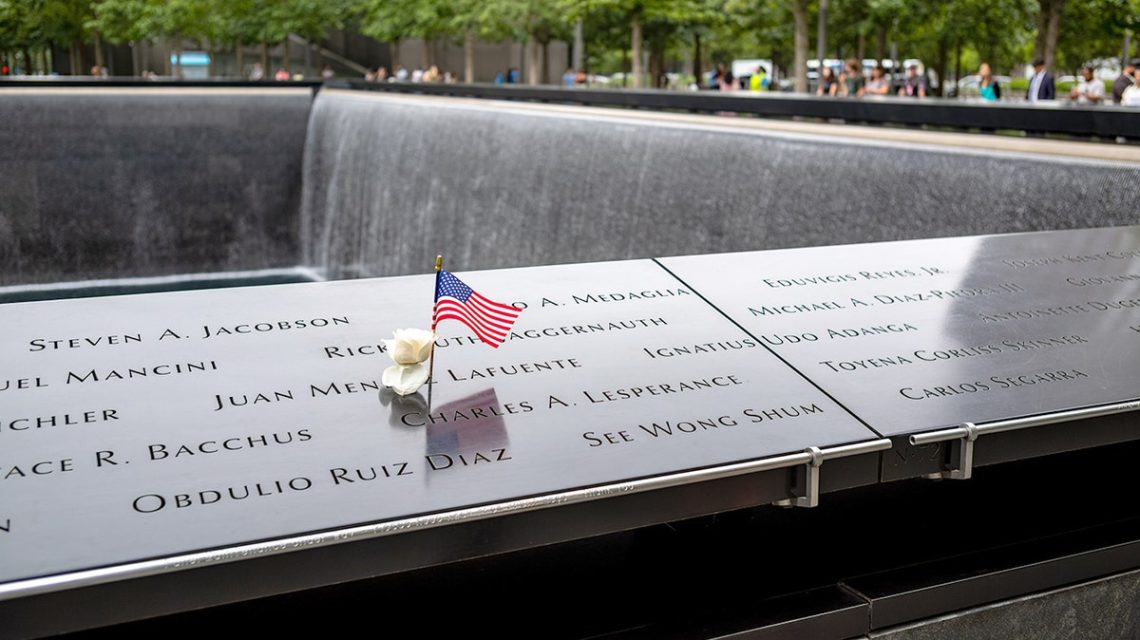
In the morning hours of September 11, 2001, Javed Ali drove past the Pentagon heading to his job in northern Virginia. Half an hour later, tragedy struck as American Airlines Flight 77 crashed into the Pentagon. From his Falls Church office, Ali saw the smoke billowing from the scene. Just a year later, the nation’s transformation was clear as he entered that damaged building to start working in the Defense Intelligence Agency’s counterterrorism office.
Reflections on Changed Careers
Ali described returning to the Pentagon as an eerie moment in his career. This significant change took him from the DIA to other critical roles in the Department of Homeland Security and the FBI, offering a close view of the reshaped national security efforts post-9/11.
The security system built in the aftermath of 9/11 presents a paradox. On the one hand, the United States has not faced another attack of similar magnitude. Operations dismantled large parts of the al Qaeda network responsible for 9/11. However, terrorism has evolved, presenting new challenges.
“It’s a different kind of safety now, but risks from other threats persist,” Ali reflects on the situation.
Constructing a New Security State
The response to 9/11 was decisive. Within two months, the Transportation Security Administration (TSA) was created. This marked the start of an extensive effort to enhance airport and passenger security. The Department of Homeland Security (DHS) emerged by integrating parts of 22 federal entities to strengthen homeland protection.
The changes fundamentally altered security practices, addressing the diffuse accountability identified by the 9/11 Commission. Financial commitments were vast, as estimated by Brown University’s Costs of War project, total spending reached roughly $8 trillion, with over $1.1 trillion directed at domestic security enhancements.
New Faces of Terrorism
Ali notes that although al Qaeda faced consistent pressure, threats persisted for years. The lineage of terrorism continued with organizations like ISIS, which grew from al Qaeda’s remnants in Iraq. Despite key figures, such as Usama bin Laden, being eliminated, these new groups posed distinctive challenges, focusing on inciting global attacks.
Today’s threats increasingly involve lone actors, radicalized online without formal linkages to larger entities. This includes individuals who have adopted extremist positions through digital platforms.
Modern Threat Landscape
The 2026 Annual Threat Assessment revealed a shift towards information campaigns, aiming to inspire radical activities within Western territories. Incidents like the 2025 New Year’s Day attack in New Orleans underscored the challenges of detecting lone extremists.
This transformation is prompting debates about the efficacy and focus of the post-9/11 security measures. Critics argue for a refined approach, emphasizing adaptability to current threats instead of expansive measures rooted in past challenges.
Preparation for Unknown Threats
The contemporary security challenge extends beyond terrorism. The 2026 intelligence reports highlight concerns over cyber threats and missile advancements from foreign entities and non-state actors. Geographical boundaries matter less as threats now involve digital propaganda, malicious codes, and infrastructure attacks.
Ali believes the key lesson is to challenge emerging threats early before they can grow into significant operations. He warns against relegating counterterrorism to a lesser priority level, potentially recreating past vulnerabilities.
A System Ready for Future Challenges?
The United States’ post-9/11 system has arguably prevented another similar attack. However, the more pressing question is whether it can effectively address future threats that do not resemble past attacks. As the threat landscape evolves, so must the strategies and structures built to defend the nation.