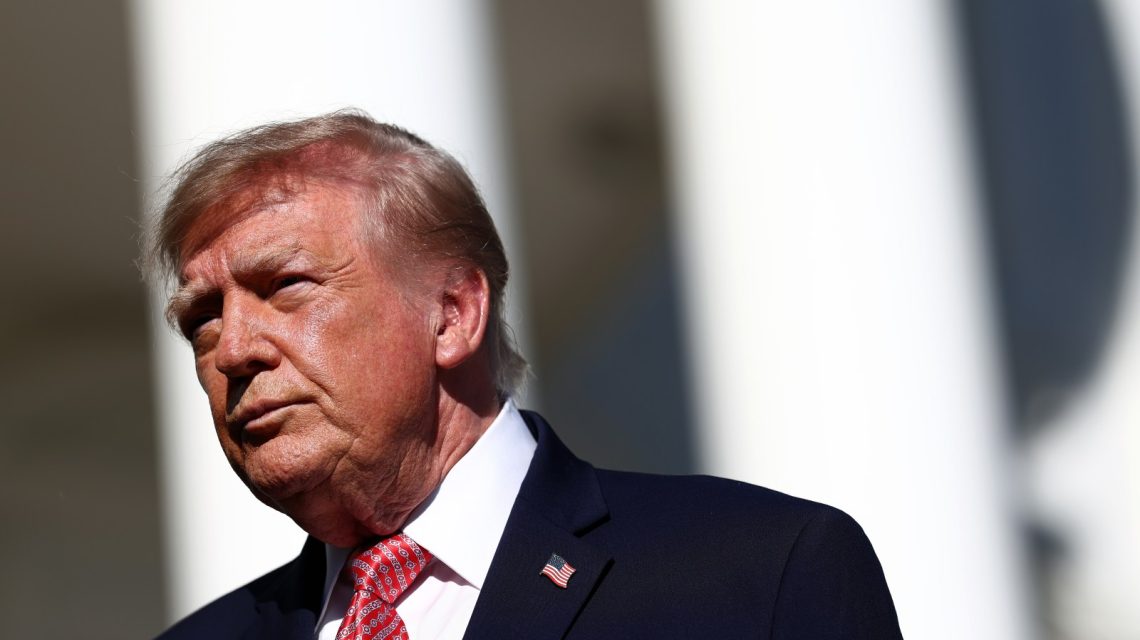
In the weeks leading up to the midterm elections, Republican candidates have almost completely stopped featuring Donald Trump in their campaign advertisements. Despite Trump’s encouragement for the party to leverage his popularity, recent data from advertising analytics firm AdImpact shows minimal references to the former president.
This October, only 1 percent of Republican ads have mentioned Trump, a drastic decline from 47 percent in May. In contrast, Democratic campaigns have increased their mentions of Trump, featuring him in 21 percent of their ads this month.
Polls indicate Trump’s approval ratings are near record lows, contributing to Republican candidates distancing themselves from him, especially in close races. Mike Madrid, a Republican strategist, remarked that candidates are hastily trying to dissociate from Trump, though this effort might have come too late to save their campaigns.
“Trump is more liability than asset and there’s no amount of distancing from him that voters won’t see through,” Madrid stated.
In response, a White House official reiterated Trump’s leadership within the Republican Party, denying any significant detachment from the party’s candidates.
AdImpact’s data reveals that from May to the weeks before the election, Republicans aired around 715,000 Trump-related ads, peaking in early May but dropping significantly since. During the same period, Democrats ran 637,000 ads, increasing mentions of Trump as midterms approached.
The New York Times highlighted the shift, noting that Republicans spent $830 million on ads from September to mid-October, with less than 1 percent mentioning Trump. Democrats spent $590 million with 20 percent of their ads featuring him. Republican strategies have shifted away from focusing on Trump, emphasizing issues like affordability and cost of living.
Some Republican candidates removed Trump-related content from their websites, while others have publicly criticized aspects of his administration. For example, Maine Senator Susan Collins has emphasized her independence by opposing certain Trump policies.
Leaked audio from Texas Attorney General Ken Paxton expressed concerns about the impact of aligning too closely with Trump. Although Paxton later praised Trump’s presidency, several GOP candidates are voicing opposition to various Trump initiatives.
A White House spokesman insisted that Trump remains a key figure in the Republican Party, pointing to his national tour as evidence of his ongoing influence and endorsement value.
Despite these claims, Trump’s approval ratings decline, with a Reuters/Ipsos poll reporting only 31 percent support for his job performance. Economic issues such as inflation and cost of living dominate voter concerns leading into the midterms.
Democratic strategist Jesse Ferguson noted Republicans’ struggle to distance their campaigns from Trump, suggesting efforts may come too late to avoid negative electoral consequences.
 Record Early Voting in Texas Signals Democratic Momentum
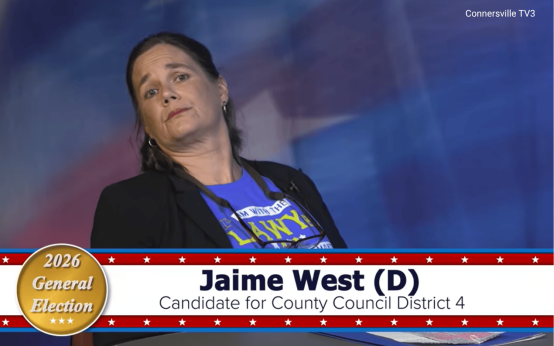 Indiana Democratic Candidate Admits to Having Beers Before Televised Forum
 Federal Agents Arrest Suspected Noncitizen Voters in California
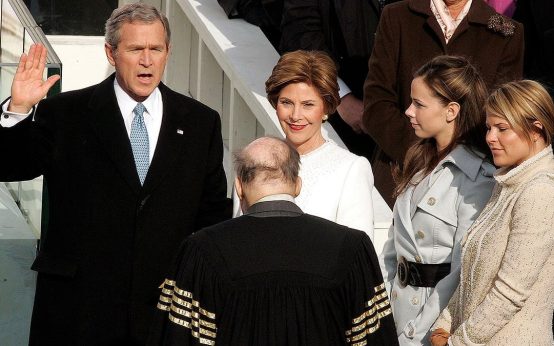 Barbara Bush’s Donation to Texas Democrat’s Campaign Creates Buzz
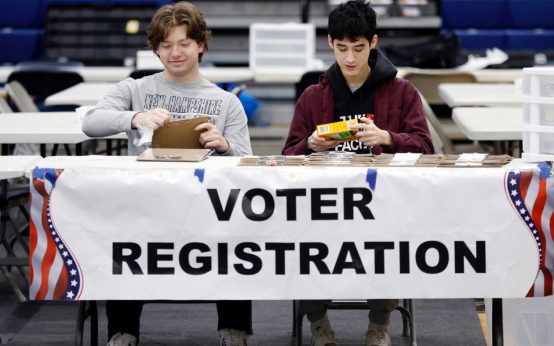 Crucial Role of Young Voters in Upcoming Elections
 Animal Cruelty Verdict for Canadian Tourist and Political Developments in International and U.S. Politics