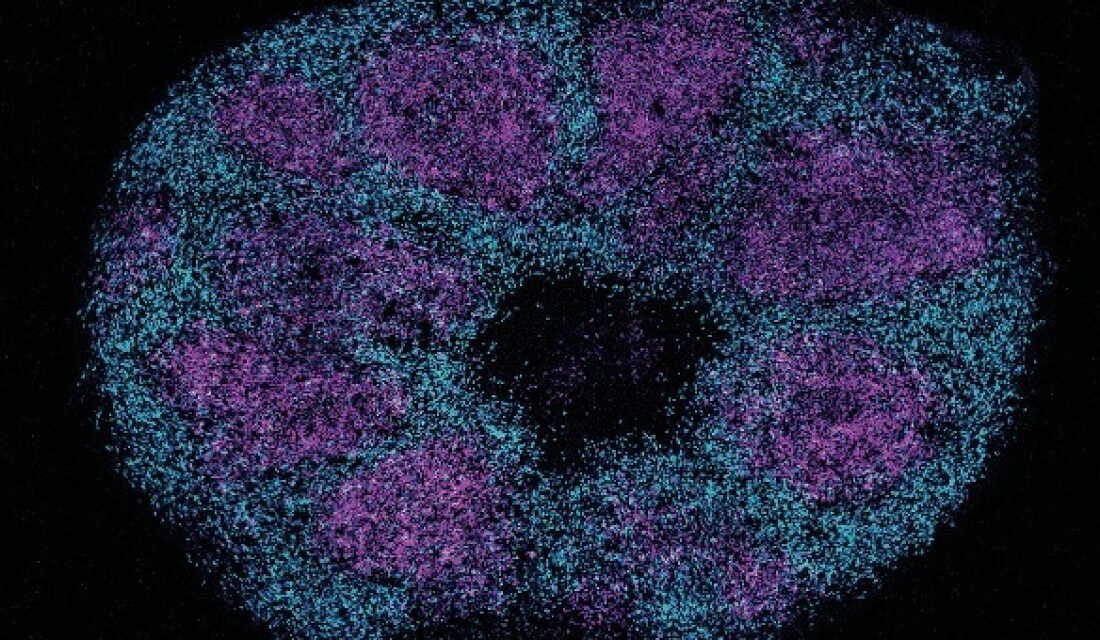
Organoids, which are lab-grown tissues resembling the human brain, have become pivotal in recent research. A study utilized brain organoids to investigate protein interactions linked to profound autism.
Scientists are gaining insight into how gene mutations might contribute to profound autism. Understanding lies in the complex interaction of proteins between genes and disease, as explained by researchers at UC San Francisco. They mapped over a thousand protein interactions originating from autism risk genes. Published in Science, this molecular atlas may guide researchers towards effective treatments.
Dr. Daniel Geschwind, a UCLA professor, emphasized its value as a resource for autism research and drug development. Alison Singer from the Autism Science Foundation expressed hope that these findings could lead to drug therapies for severe autism.
“This is the kind of scientific advance we have been waiting for,” said Singer.
The study enhances efforts to pinpoint genes with mutations in individuals with profound autism.
Challenges in Understanding Profound Autism
Individuals with profound autism endure severe intellectual disabilities, often requiring constant care. Their communication is limited, and medical issues like epilepsy are common.
Identifying biological causes has been challenging due to genetic and environmental diversity. Recent years have seen success in finding genetic mutations linked to profound autism, but converting these discoveries into treatments has been slow.
Nevan Krogan, director of UCSF’s Quantitative Biosciences Institute, explained the difficulty in transforming gene discoveries into drug development. Hundreds of risk genes had been identified, but the mechanism of their relation to autism was unclear.
Protein Exploration and Interaction
Dr. Matthew State and Krogan were encouraged to collaborate to bridge knowledge gaps between gene mutations and protein interactions related to brain development.
The latest research focused on understanding the mechanistic role of proteins stemming from high-risk autism genes. Proteins, guided by genes, are essential in building the body.
Researchers explored protein interactions within lab-grown cells and used AI technology, AlphaFold, for insights. Dr. Krogan noted the time-saving impact of AI in predicting protein interactions.
Mutations common in autism were introduced to assess effects on protein function. Researchers examined changes in frogs and brain organoids. A noteworthy example involved mutations weakening interactions between proteins that regulate gene activity, leading to neurodevelopmental issues.
Pathways and Convergence
A broad mapping of protein interactions revealed shared pathways among hundreds of autism-related genes, especially within early brain development processes.
This study aligns with other research, strengthening the argument for targeting convergent protein pathways in treatment approaches.
“If we can target these pathways, we might simplify therapeutic strategies,” said Singer.
Drug Development Opportunities
Turning biological discoveries into treatments is a lengthy process involving drug candidate testing for safety and efficacy.
Dr. State acknowledged the importance of combining recent advances that could hasten this progression. Geschwind highlighted the role of protein-targeting in drug development, facilitated by the recent findings.
Krogan’s institute was recently awarded a $46 million grant to further research into autism-related protein pathways.
 Starting Statins Soon After Diabetes Diagnosis May Lower Dementia Risk
  Increasing Use of Weight-Loss Drugs in Young Children Examined
  FDA Approves New Alzheimer’s Blood Test: PrecivityAD2
  Understanding and Managing Dry Eye in Women Over 50
  Colorado’s Marijuana Regulation Failures Expose Consumers to Risks
  Ensuring Safe Food for Americans