On January 1, shortly before 5 a.m., the phone rang at Geneva University Hospital (HUG). Hours earlier, during New Year celebrations in the Swiss resort of Crans-Montana, a fire swept through a crowded bar. The tragic event resulted in 40 deaths and over a hundred injuries, many among the young, with severe burns. This disaster exceeded the capacity of any single hospital or even country to manage alone. Patients were quickly transferred to burn centers in Lausanne, Zurich, Paris, Milan, and Stuttgart. For days, hospitals across several nations operated as a united system. There was no pre-planned strategy for such an event. It was a sobering reality health leaders now acknowledge: future crises will differ fundamentally from past ones. These could be mass-casualty events, extreme weather conditions, cyberattacks, broken supply chains, or new viruses, possibly several occurring simultaneously.
My recommendation is straightforward: we must prepare to move efficiently. During my nearly 30 years with the International Committee of the Red Cross (ICRC), including four years as director-general, I operated in environments where unpredictability was common. In the last two years as CEO of one of Europe’s largest university hospitals, I learned that resilience is a governance method, not merely a plan. Health systems are usually appraised based on their preparedness: do they have emergency plans, adequate beds, and critical supplies? While these questions matter, they offer little insight into how an organization will function when plans diverge from reality. It is crucial to consider if a system can handle five key actions under pressure: anticipate, decide, mobilize, adapt, and learn.
Anticipate
Anticipation does not mean prediction. It involves the discipline of considering potential scenarios before pressures arise, including what could occur, the stakes involved, and requirements needed. When G7 leaders gathered in Evian, France, this June, there was uncertainty about the potential for large demonstrations becoming violent. We hoped for a peaceful outcome, but prepared otherwise. We created about 40 additional beds, reduced planned surgeries by 20% for a week, and set up tents outside the emergency department for potential tear-gas exposure cases. We issued over 5,000 cross-border passes for our nurses and doctors residing in France to ensure they could reach work easily. Although the summit concluded without significant injuries, the effort was not in vain. It clarified decision-making roles, tested relationships, and revealed unnoticed gaps. Preparing fosters capability, which persists long after the risk subsides.
Decide
During crises, information is often fragmentary and contradictory, changing rapidly. Waiting for certainty is a decision that is usually misguided. At the ICRC, delegation heads in remote sectors often could not await Geneva’s instructions. Instead of detailed procedures, headquarters provided clear intent, firm principles, and trust. Hospitals function similarly. We collaborate with department heads to clarify delegation roles, central decisions, and to confront ambiguities. Such ambiguities are exactly where crises manifest. Good leadership doesn’t remove uncertainty; it enables sound decisions amidst it.
Mobilize
Technology, infrastructure, and plans are crucial, yet people and trust drive system functionality. In humanitarian aid, groundwork—negotiating access well ahead through countless discussions—is vital for future access privileges. Trust is built prior to crises, not during them. No hospital operates in isolation. During the Crans-Montana fire, our hospital received five patients but also dispatched medicines to Lausanne and ambulances to the mountains. Our dependencies stretch across hospitals, suppliers, energy, digital platforms, and global supply chains. Governing for resilience means understanding systemic vulnerabilities, beyond our own facilities.
Adapt
Even excellent plans face unexpected realities. This summer, Geneva experienced intense heat. Our heat plan was implemented, but some older hospital buildings reached temperatures exceeding 86 degrees Fahrenheit. A nurse contacted me regarding the issues and provided concrete solutions. Her input was more revealing than many performance indicators. While our plan wasn’t incorrect, it was insufficient. Those most familiar with the plan weren’t in the crisis room, but on the wards. A plan unchanged for years may comfort, yet risk irrelevance.
Learn
Resilience evolves into much more through learning. In 2017, a critical component of our hospital’s IT system failed without its supposed backup. We learned humble lessons: redundancy on paper isn’t the same in practice. We didn’t merely repair the system; we developed round-the-clock security monitoring, paper-based procedures, and regular system tests. A backup untested remains hopeful, not a plan. Learning is evidenced by actions that differ post-crisis, not by holding debriefs alone. At its peak, learning transforms the world.
Approximately 30 years ago, Professor Didier Pittet and his HUG teams tackled the problem of infections spread by caregivers’ hands. They introduced alcohol-based hand rubs bedside with an accompanying culture, sharing it globally through the World Health Organization (WHO). This innovation became a public good, transforming capability through shared experiences. Nassim Nicholas Taleb describes this as antifragility: strengthening amidst shocks, not merely surviving. I prefer a more optimistic term: adaptive growth.
For leaders, these insights highlight essential inquiries for executive teams and boards, even in normal times: Who makes critical decisions at off-hours, and are they aware? Which dependency might cease operations, and has the backup been tested? Whom do we contact, and have we established connections before urgent needs arise? When was the last time we revised plans based on frontline feedback? What changes have resulted from our most recent crisis? Answers relied upon New Year’s morning weren’t improvised—they were meticulously built over ordinary days.
The future holds surprises. Our duty isn’t eliminating surprises, but ensuring our organizations are prepared to act decisively and emerge with enhanced capabilities for future challenges—not merely withstanding shocks, but thriving through them.
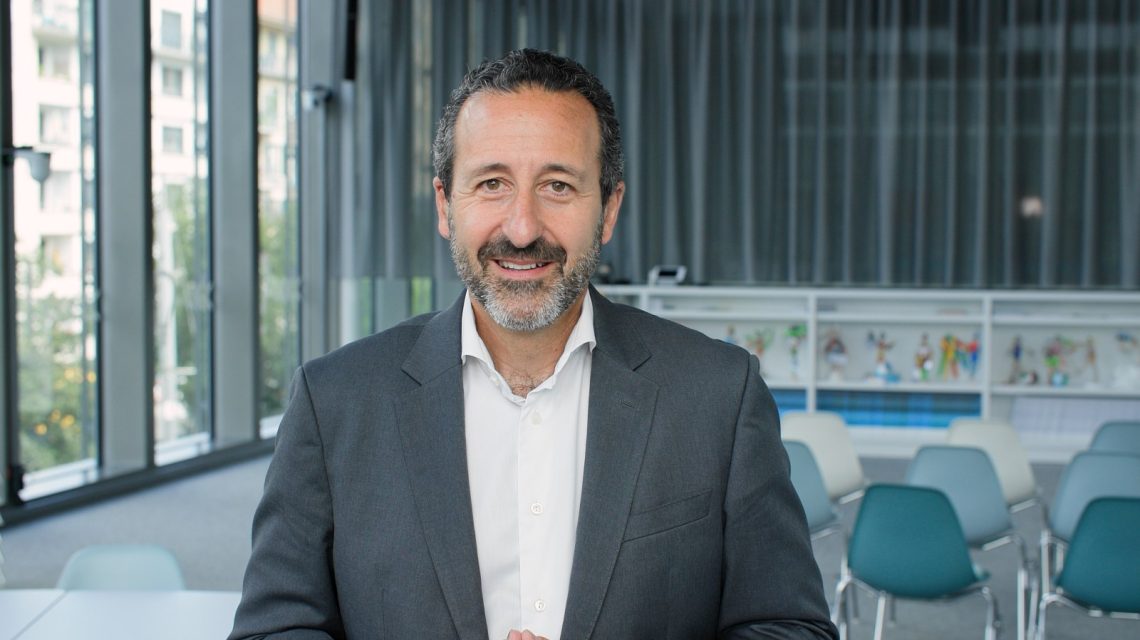
Robert Mardini is director-general at Geneva University Hospital (HUG) and part of the Newsweek CEO Circle. His previous experience includes serving as director-general of the International Committee of the Red Cross (2020–2024). The views represented are his own. Robert Mardini is part of the Newsweek CEO Circle, a select executive community of subscribers.
 Growing Support for Government-Run Health Insurance Revealed by New Poll
  President Trump to Discuss Health Alert with Putin Amid Pneumonic Plague Concerns in Siberia
  Barriers in Affording GLP-1s in America
  Rising Support for Medicare for All in the United States
  Controversial Death in Russia Sparks Concerns
  10 Key Principles for Healthy Longevity