
Serving as both a Marine and a correctional leader taught me the importance of defending and repairing our country when necessary. As America marks its 250th anniversary, discussions on freedom, safety, accountability, and responsible government will dominate political agendas. Yet, the topic of corrections often remains neglected, though it should be central. Corrections is a governmental duty, not a mere campaign slogan. At the end of 2023, the U.S. had over 1.25 million people in state and federal prisons, highlighting the responsibility of state leaders, not Washington.
Governors manage systems consuming significant public funds, employing numerous professionals, and influencing if individuals return to society prepared or damaged. In corrections, policy tends to tighten in response to incidents like suicides, contraband appearance, violence, lawsuits, or escapes. While each decision might be reasonable initially, years of doing so lead to exhausted officers and warehoused individuals, with leaders preferring to avoid embarrassment rather than seeking results.
Corrections encourages government to ignore issues, prioritizing survival over public safety. Many professionals in corrections maintain dignity under challenging conditions, while some become hardened or reinforce unsafe practices. I’ve witnessed both dedication from staff, including officers, wardens, nurses, counselors, and chaplains, as well as a culture that deteriorates morale and encourages acceptance of questionable practices.
Evaluating corrections should focus on outcomes governors expect from the system. If we compensate only for custody, custody is what we get. Success shouldn’t solely mean facilities staying out of headlines or passing inspections. Silence should not be incentivized. Governors must demand more, pushing for accountability through tracking metrics such as vacancies, assaults, force usage, participation in programs, and reentry needs.
Governors should promote an outcomes-based culture rewarding efforts in violence reduction, retention improvement, treatment and education expansion, family connection enhancement, and pre-release preparation. Cultural assessment is crucial in corrections, influencing support perception, rule fairness, and a facility’s atmosphere.
Taking over a facility with diverse populations showed me the limits of old strategies. By listening to staff and inmates, adjusting routines, and pairing safety with humanity, improvements followed—officers and nurses remained, eliminating the need for new academies for three years. This was management driven by a simple lesson: humanity supports security, while its absence fosters danger. Secure custody and consequences are essential, but without improved outcomes, it’s merely costly crime postponement.
Governors need not campaign on slogans of prison reform. Instead, they can implement practical outcomes-based pilot programs in government facilities, via nonprofit or private partnerships, or hybrid models ensuring state control. Independent research, real-time data, and published findings should measure pilot success. Effective models reducing violence and enhancing safety upon inmate release should be expanded; ineffective ones should be adjusted or ceased.
Annually, about 600,000 individuals are released from prisons. The crucial question is whether they’re returning more isolated and dangerous or adequately prepared for responsible living. This concerns public safety, not leniency. As candidates emphasize freedom and safety, voters should inquire about their plans for existing correctional systems. Continuing the norm ensures predictable results. It’s time for governors to develop and test promising alternatives.
Brian Koehn is CEO of Social Purpose Corrections, with experience as a warden and security expert.
Copyright 2026 Nexstar Media Inc. All rights reserved. This material may not be published, broadcast, rewritten, or redistributed.
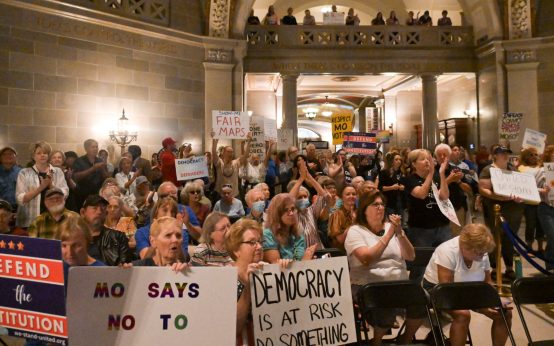 U.S. Appeals Court Supports New Missouri Congressional Map
  GOP Candidates Call to End Iran War Amid Rising Fuel Costs
  Trump Administration Seeks to Influence NIH Grantmaking
  Protests in Austin: Analyzing the Coordination Behind Anti-ICE Demonstrations
 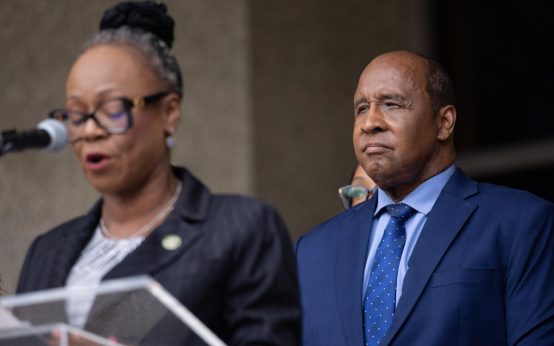 Controversy Surrounds Inglewood Mayor Amid Allegations
 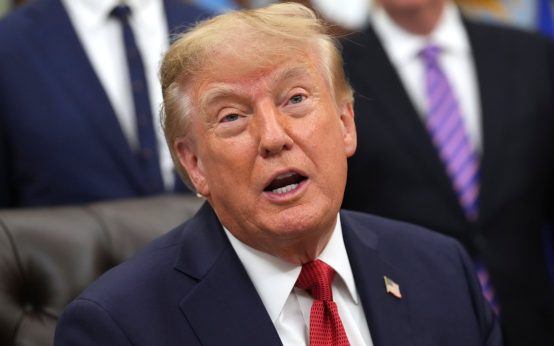 White House Launches Trump TV Amidst Press Dispute