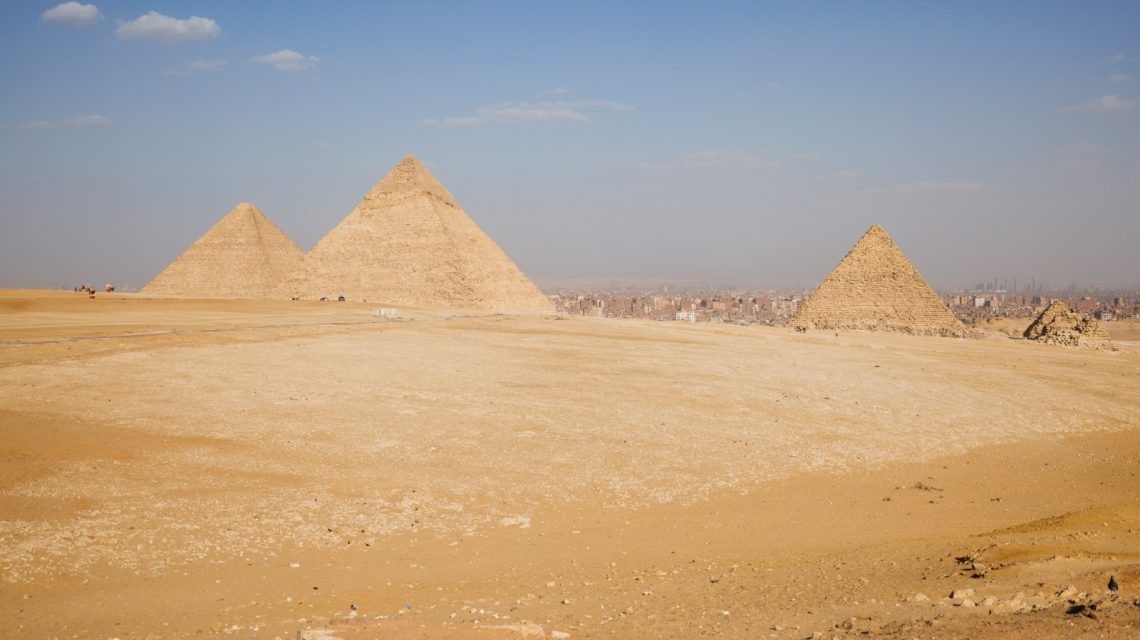
Retraction of a Scientific Study on the Great Pyramid of Giza
A scientific paper that proposed satellite radar could uncover hidden structures inside the Great Pyramid of Giza has been retracted. The study was found to have serious methodological flaws and statistical errors, which questioned its conclusions. This retraction is significant, as it provided scientific grounding for sensational claims regarding what lies beneath one of the most renowned archaeological sites.
The Original Claim
Published in 2022, the paper by Italian researchers Filippo Biondi and Corrado Malanga appeared in the journal Remote Sensing. The journal covers satellite imaging, radar, and other Earth study technologies. The study used synthetic aperture radar Doppler tomography to analyze minor changes in radar signals, suggesting this could reveal hidden structures within Khufu’s Pyramid. The researchers asserted that satellite data could map undiscovered rooms and corridors without entering the pyramid physically.
The Investigation
The journal Remote Sensing initiated an investigation after a reader raised concerns about the study’s methodology. It retracted the article on August 10. Subsequent claims by Biondi, Malanga, and others pointed to vast shafts and tunnels beneath the nearby Pyramid of Khafre, described online as evidence of an ‘underground city.’ These headlines drew substantial attention, including from YouTube creator MrBeast, who expressed interest in exploring the pyramids. Speculation extended to a supposed second Sphinx beneath the Giza Plateau, though no such discovery has been confirmed.
Biondi and Malanga disagreed with the paper’s retraction, per the journal’s notice. Attempts by Retraction Watch to contact the researchers for comments were unsuccessful. Newsweek also reached out through email for their comments.
How the Claims Went Viral
The authors claimed to have identified 20 features inside and beneath the Great Pyramid. They argued their method even detected the ‘Big Void,’ previously found using cosmic-ray scans. The method detected pyramid movements caused by wind, earthquakes, and nearby activities, helping create a depiction of hidden structures.
Public fascination peaked in March 2025 when the method was applied to the Pyramid of Khafre. Five connected structures near Khafre’s base and eight cylindrical shafts were identified at a news conference. The purported structures drew comparisons with ancient Egyptian underworld concepts, bolstering descriptions of an ‘underground city.’
Controversy and Criticism
The Khafre claims prompted criticism for lacking peer-reviewed publication and independent verification. The Remote Sensing paper only included earlier analysis of the Great Pyramid, not subsequent claims at Khafre. Critics questioned whether surface movements detected from satellites could accurately infer deep structures.
Egyptologist Zahi Hawass dismissed the announcement, stating the team lacked the Supreme Council of Antiquities’ permission to work inside the Pyramid of Khafre. He asserted there was no scientific evidence supporting the alleged findings. The authors themselves noted that while radar can’t penetrate stone effectively, surface vibrations purportedly indicated hidden structures.
Lawrence Conyers, an expert from the University of Denver, stated a radar sensor only detects directly observable elements. He doubted whether proposed vibrations were detectable by satellite, and emphasized field confirmation’s necessity. No independent surveys validated the structures the researchers claimed to detect.
The Retraction
Nearly four years later, Remote Sensing retracted the 2022 paper after a reader’s concerns. An investigation confirmed serious methodological and statistical shortcomings. The journal concluded its findings weren’t reliable. There was no accusation of data fabrication or misconduct, but the decision only pertained to the 2022 paper about Khufu’s Pyramid.
The authors disputed the retraction but did not explain their reasons. Despite this, Biondi continued promoting the project’s broader work. He shared a History Channel segment discussing supposed structures under the pyramids. Meanwhile, a Khafre Project video referenced technical plans and excavation permit applications submitted to Egyptian authorities without mentioning granted permissions or addressing the retraction’s insights.
 Exploring Animal Senses Through Ed Yong’s ‘An Immense World’
  Investigation Reveals Heat’s Deadlier Impact
 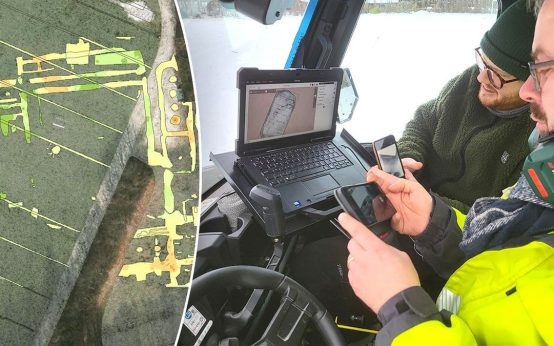 Medieval Convent Discovered Beneath Danish Soccer Field
 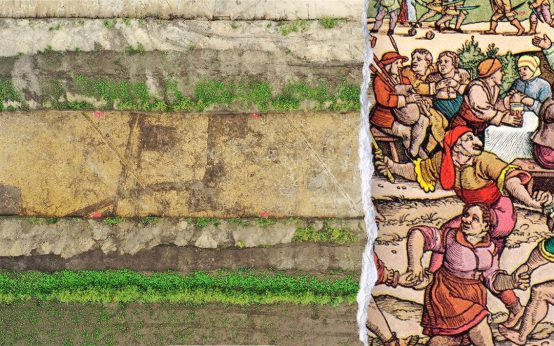 Mystery Surrounds Abandoned Medieval Village in Germany
  GLP-1 Drugs and the Potential for Life Span Extension
  Early Brain Changes Linked to Alzheimer’s Disease