
Three years after Florida faced a severe marine heat wave, scientists have developed improved strategies to safeguard coral reefs. The heat wave triggered unprecedented coral bleaching, impacting South Florida’s marine ecosystems.
Ken Nedimyer, along with other scientists and conservationists, has focused on improving coral reef protection since the 2023 heat wave. As of late June, increasing water temperatures in South Florida have raised concerns among these experts. They remain vigilant in monitoring conditions to prevent another devastating loss.
A member of Reef Renewal USA, a nonprofit organization, is actively involved in preserving coral reefs. On July 13, the organization carried out a mission to transfer coral branches from offshore nurseries to deeper and cooler waters. This proactive measure aims to safeguard the coral from harmful temperature spikes.
Efforts like these are supported by enhanced scientific understanding and practical experience gained over recent years. Researchers now have better tools and strategies to respond quickly in protecting coral reefs against heat waves.
 Discovery of Tilcayo Tiger Cat, a New Wild Cat Species in Bolivia
  Ancient Egyptian Warhorse Burial Unearthed in Beheira
  Humpback Whale’s Grief Over Stillborn Calf Reveals Emotional Complexity
 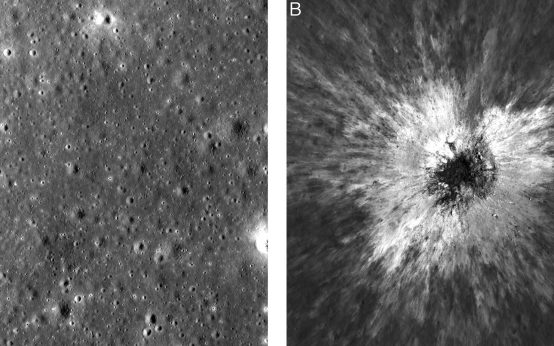 Discovery of Massive Lunar Crater Sheds New Light on Moon’s Surface
  Florida Citrus Growers Use Gene-Editing to Combat Citrus Greening
 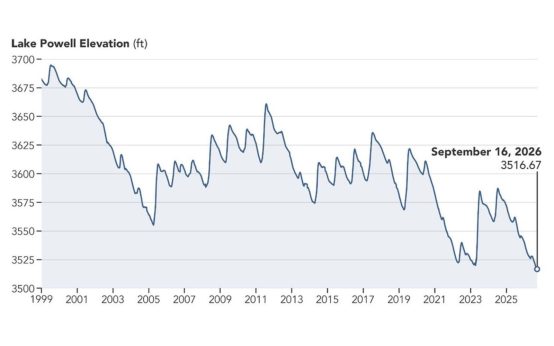 Satellite Images Reveal Lake Powell’s Dramatic Decline Over Nine Years