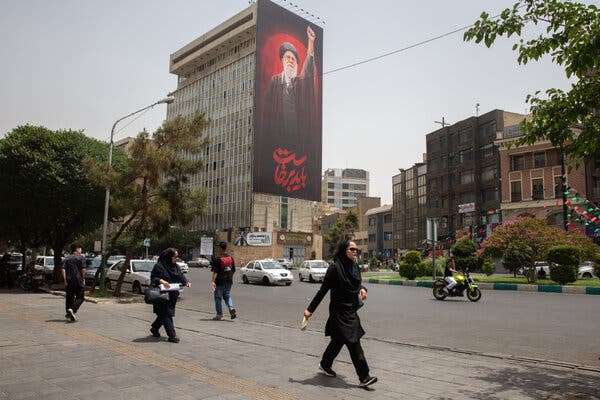
The United States launched airstrikes against targets in Iran on Tuesday. This action followed the revocation of a waiver that permitted the global sale of Iranian oil. The strikes responded to alleged Iranian attacks on three commercial ships in the Strait of Hormuz, according to the Pentagon.
The military’s Central Command announced on social media that U.S. forces started a series of strong strikes. They aimed to impose heavy costs on Iran for endangering civilian lives in an international waterway.
The attacked vessels included a Saudi oil tanker and a Qatari liquefied natural gas carrier, located off the coast of Oman. These assaults threatened to interrupt the flow of energy supplies and disrupt the tentative agreement between Washington and Tehran to reopen the strategic passage.
“Iran’s demonstrated aggression was unwarranted, dangerous, and a clear violation of the cease-fire,” Central Command stated on social media.
Tehran has not admitted responsibility for the attacks, and Iranian authorities have not made any public comments. Iran is currently conducting funeral ceremonies for Ayatollah Ali Khamenei, who was killed on the war’s first day. Consequently, negotiations between Iran and the United States are on hold until the ceremonies are over.
While both countries have agreed to reopen the Strait of Hormuz for navigation, the preliminary accord does not define the exact process. Iran wants commercial ships to sail near its coast in a channel it controls. However, many opt for a route near Oman, assisted by American forces.
 Trump Delivers Warning to Iran, Cuba at UN General Assembly
 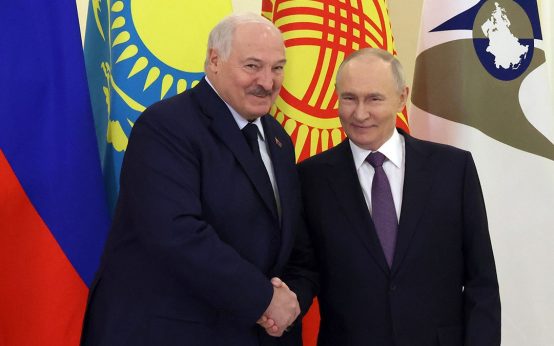 Lukashenko and Putin’s Unique Relationship and Belarus’ Strategic Role
  Alan Ritchson Faces Backlash Over Political Remarks
  Himalayan Pilgrimage: A Couple’s Narrow Escape and Lingering Questions
  Former CEO Sentenced for Bank Fraud and Sanctions Evasion
 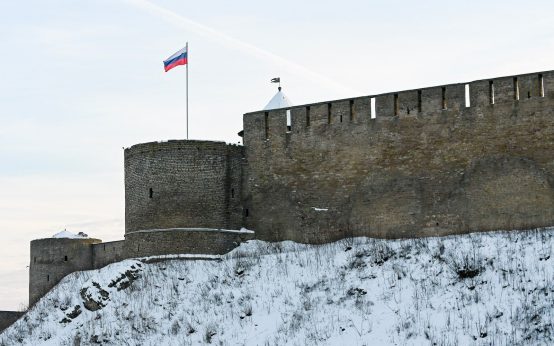 Russia’s Potential Incursion Into Estonia: NATO’s Resilience Under Scrutiny