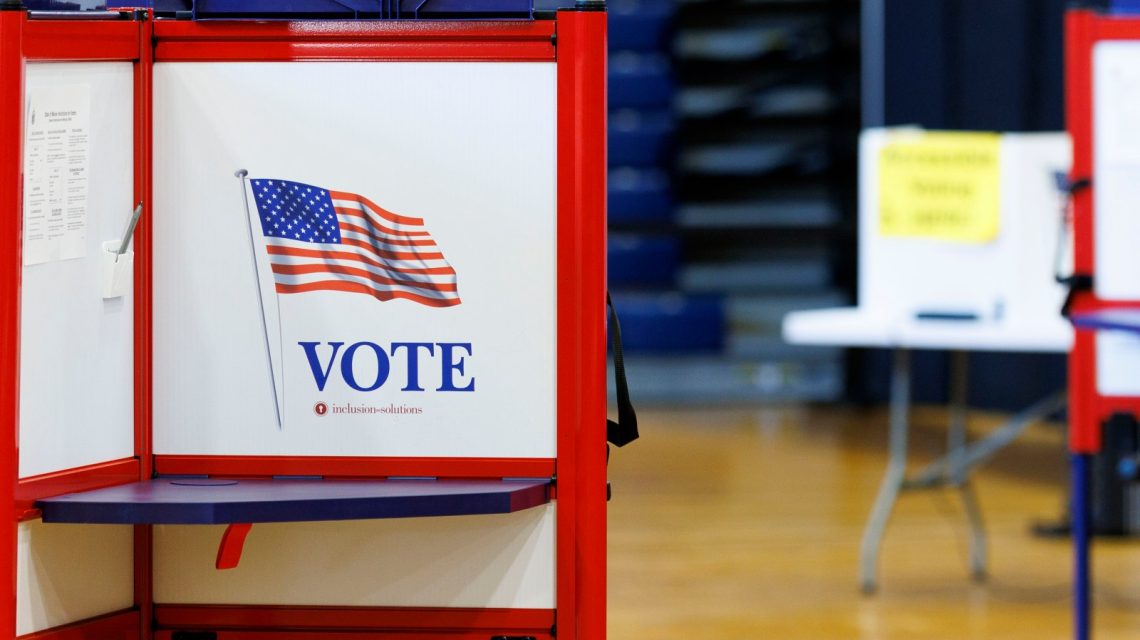
On Tuesday, Americans participate in the 2026 midterm elections amid increased scrutiny over election security. Officials face threats like voter intimidation, cybercrime, AI-generated misinformation, and challenges to public confidence. The credibility of results hinges on ballot traceability, physical record preservation, vote total checks, and distinguishing irregularities from actual fraud evidence.
Voters, poll workers, and numerous election officials rely on safeguards that complicate widespread manipulation. Despite resource gaps and threats, this patchwork system aims to maintain integrity.
The Decentralized Nature of U.S. Elections
All 435 House seats and 35 Senate seats, along with state and local contests, are on the ballot. Thousands of jurisdictions administer these elections, leading to varied procedures.
“America’s election system has a genuine strength: it is decentralized,” said Daniel Schatz, a political scientist. He notes multiple checks, including paper records and bipartisan processes, that protect against a single failure point.
Therese Pearce Laanela from the International Institute for Democracy and Electoral Assistance emphasizes local administration’s benefits, like innovation and resilience. However, less-resourced areas may struggle to offer the same service level.
Ballot Tracking and Mail Voting Safeguards
Mail ballots draw scrutiny due to their off-site completion. Jurisdictions employ various methods to verify and protect ballots pre-counting. Protections include voter declarations, witness statements, ID documentation, and more.
These integrity measures rank among the world’s strictest, according to Pearce Laanela. Ballot tracking serves a distinct purpose, allowing voters to monitor ballot progress. It’s crucial that voters type election websites directly rather than following potentially fraudulent links.
Election Observers and Chain of Custody
Election observation adds accountability, extending beyond written rules to scrutinize procedures. Observer access to ballot centers forms part of mail-ballot safeguards.
Chain of custody is vital once ballots reach election officials. Jeremy Epstein stresses secure custody structures as essential for trust in the process.
Addressing Voter Intimidation and Election Worker Safety
Federal law prohibits voter intimidation or coercion. However, law enforcement presence varies by state.
Timothy Gallagher advises cautious disclosure of personal information by those involved in elections. They’ve observed vulnerability exposure through inadequate personal data protection.
Preparedness is key for election administrators, especially in resource-constrained jurisdictions. Proper planning ensures disruption doesn’t prevent voting or election responsibilities.
The Cybersecurity Landscape
Cyberattacks often target auxiliary election systems, not the voting or counting process. According to Aaron Rose, the harm typically involves personal data theft, not changed votes.
Check Point research identified 4,394 new domains relating to voting or elections. While fraudulent emails or websites involve data breaches, vote alteration remains unsubstantiated.
The Issue of AI-Driven Misinformation
AI-generated misinformation presents new challenges. Quickly fabricated false claims can reach voters before official responses. Epstein emphasizes verifying election information through official channels.
Schatz highlights awareness of misinformation threats, potentially more immediate than other election vulnerabilities. False information about voting procedures or locations can deter participation.
Concerns About Internet Voting
Epstein identifies internet voting as a notable concern due to outdated systems vulnerable to powerful AI threats and nation-state adversaries. Such voting methods require diligent monitoring.
Ballot-marking devices also warrant scrutiny, yet the overall risk level has decreased as security measures improve.
Understanding Disputed Election Results
Early results won’t immediately finalize counts due to jurisdiction-specific processes. In disputes, voters should prioritize evidence verification over online claim velocity.
Experts stress evaluating allegations against independent evidence like ballots or court records. It’s critical to distinguish between administrative errors and systemic fraud.
The essential defense for voters involves verifying voting information, maintaining skepticism toward urgent online claims, and understanding procedural transparency.
 Voter Attitudes Toward Foreign Policy and the Iran Conflict
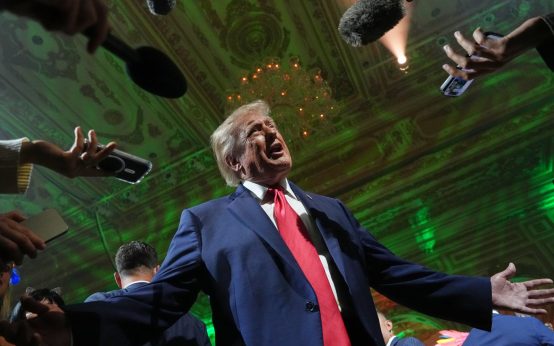 Trump, Biden, and Obama: Examining Public Perception
 Representative DeLauro’s ‘Medicare for America Act’: Details and Prospects
 James Talarico and Frederick Haynes III Address Immigration and Racial Issues
 Justice Department Seeks Supreme Court’s Intervention on California Mail-In Ballots
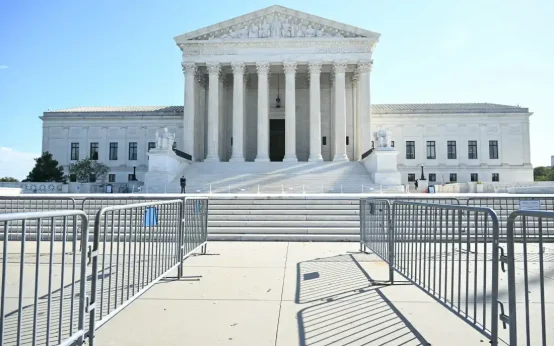 DOJ Appeals to Supreme Court Over California Voter Roll Dispute