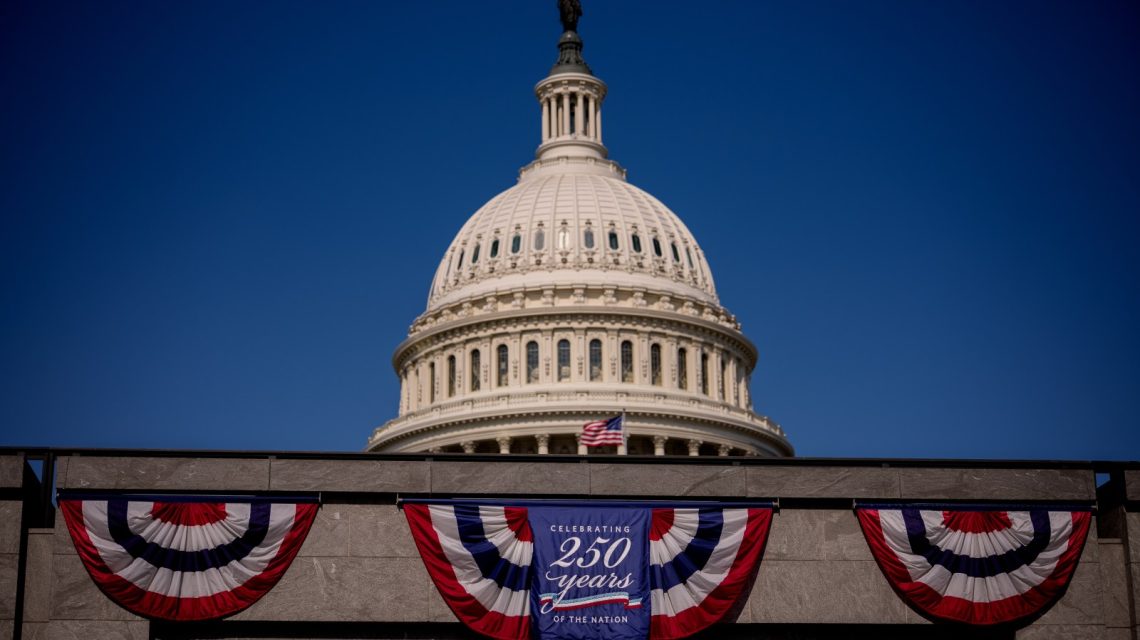
The balance of power in the Senate after November relies on a few names that may not be familiar to most voters. For Democrats to take back the upper chamber, they need to flip four GOP seats while holding their current positions. This includes defending seats in Georgia and Michigan, two states where President Donald Trump won in 2024. On the offensive, Democrats aim at Maine, a state Trump lost in 2024, making it a potential flip opportunity. North Carolina, where Trump narrowly won, is also on the Democratic radar.
Democrats face a challenging task as they target states like Alaska, Iowa, Ohio, and Texas, where Trump won by significant margins in 2024. In these states, Democratic candidates are polling just below 50%, with Republicans closely trailing. Third-party candidates, whether Libertarian or Green Party, can draw away a small percentage of the vote, potentially influencing the final outcome.
Past Precedents and Current Tactics
Democrats regained Senate control under similar circumstances two decades ago when some voters abstained from supporting major parties. In Missouri, Montana, and Virginia, third-party candidates made slight gains, which helped swing the elections towards Democrats. This scenario might unfold again as third-party candidates draw protest votes from a Republican Party whose popularity is waning. The Democratic strategy might involve stepping aside, allowing independents to gain traction.
Alaska: An Independent Strategy
In Alaska, Democrats employ a distinct strategy by supporting independent candidates. Here, Republican Senator Dan Sullivan is opposed by Democrat Mary Peltola and a second candidate named Dan Sullivan, a retired teacher polling at 2.4% in primaries. There are allegations that Democrats support the second Sullivan to confuse voters, which all parties deny. Election analysts rate the Alaska race as a toss-up.
Key States to Watch
Texas: With Democrat James Talarico leading Republican Ken Paxton, Libertarian Ted Brown’s potential to draw conservative votes is significant. The race is rated as a toss-up by analysts, though Talarico is still not favored to win outright.
Ohio: Former Democratic Senator Sherrod Brown faces Republican Jon Husted, with Libertarian Bill Redpath also on the ballot. The seat is widely considered a toss-up.
Iowa: Libertarian Thomas Laehn could impact the race between Democrat Josh Turek and Republican Ashley Hinson. Iowa is also branded a toss-up.
Michigan: Democrat Abdul El-Sayed is in a tight race against Republican Mike Rogers. Three minor-party candidates attempt to tip the scale. Analysts view Michigan as a toss-up.
Considerations for Democrats
Democrats explore strategies of dropping candidates to favor independents in strong Republican states like Nebraska, Idaho, and South Dakota. This approach draws from historical attempts, though similar moves have previously yielded limited success.
A Shift in Voter Attitudes: A growing number of Americans identify as independents, accounting for 45% of adults in 2025 according to Gallup, which presents both parties with a challenge. This trend may predate Trump, with a decline in both major party supporters over recent years.
Democrats aim to calibrate their strategies in light of these dynamics as they look to regain Senate control.
 Lessons from a Storied Press Secretary
  Tlaib’s Bill Aims to Halt Federal Funding for Mass Surveillance
  California’s New Hate Speech Instruction Faces Pushback
  Macron Faces Criticism Amid Violent Protests in France
  Addressing Recidivism and Reforming the U.S. Prison System
  Democracy Dies in Darkness