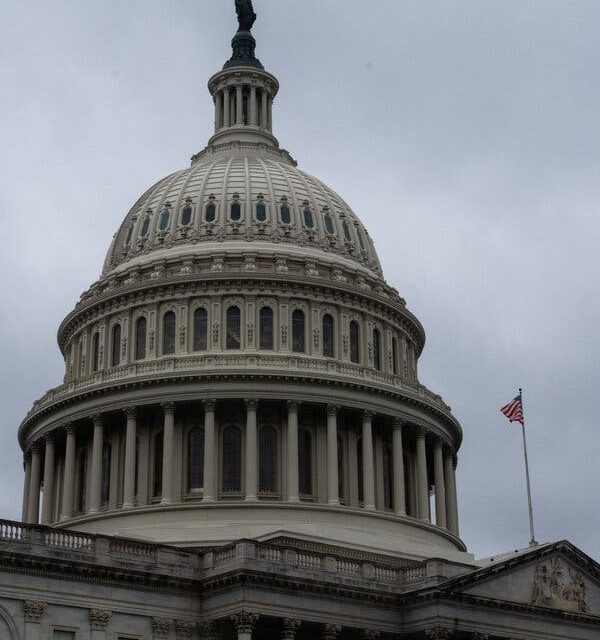
The Senate voted on Tuesday to pass a resolution urging President Trump to conclude the military conflict in Iran. This resolution requires either an end to operations or a request for congressional approval to continue. Although it lacks legal authority to enforce immediate policy change, the 50-to-48 vote is a notable bipartisan challenge to a President who has typically enjoyed unwavering support from his party, especially concerning national security and military affairs.
Four Republican Senators joined Democrats to support this measure. This development reflects growing skepticism within the Republican Party about the administration’s handling of a ceasefire agreement with Iran, following nearly five months of conflict. The lack of congressional approval for the sustained military actions, coupled with negotiations over the conflict’s conclusion appearing unstable, has led to increased tension.
The vote also highlights the political challenges facing the Republican Party as it approaches midterm elections. With public opinion against the war, some party members express concern over the economic costs, unclear objectives, and the potential for wider regional escalation.
This marks a historic moment as it’s the first instance since 1973’s War Powers Resolution that both Congressional chambers have approved a resolution guiding a President to terminate a military conflict. The measure cleared the House earlier this month, despite previous efforts by Republican leaders to block it, reflecting divisions within the party.
During Tuesday’s Senate vote, Senator John Fetterman from Pennsylvania was the only Democrat opposing the resolution. Meanwhile, Republican Senators Rand Paul of Kentucky, Lisa Murkowski of Alaska, Susan Collins of Maine, and Bill Cassidy of Louisiana voted in favor. With two Republicans absent, including recently hospitalized Senator Mitch McConnell, the resolution succeeded.
This legislative move draws inspiration from a historical context where Congress has sought to reclaim decision-making power over war, similar to when lawmakers overcame President Richard Nixon’s veto concerning the Vietnam War.
 House Republicans Release Transcripts in Jack Smith Investigation
 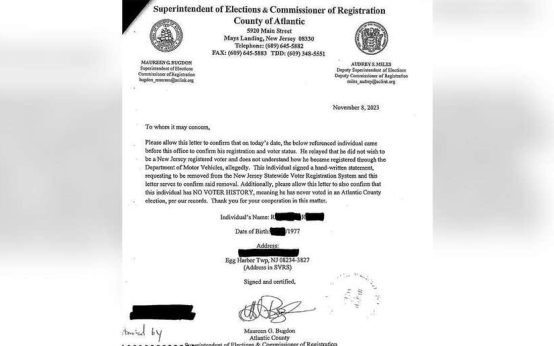 RNC Files Lawsuit for Transparency in New Jersey’s Voter Roll Maintenance
 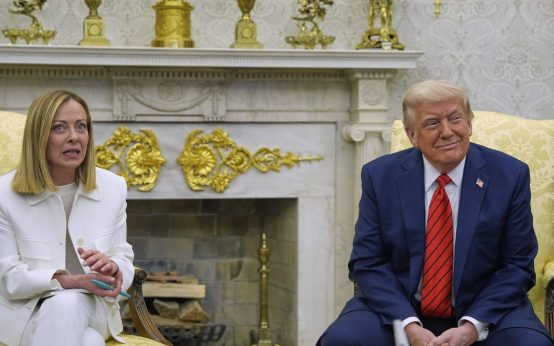 Italian PM Giorgia Meloni Skips UN General Assembly Amid Growing Tensions
  Calls Grow for Ireland’s Soccer Team to Boycott Matches Against Israel
  Congressman Randy Fine’s Bold Political Stance and Views on AI Regulation
 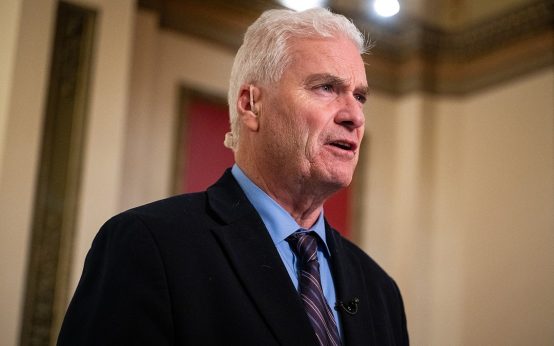 Political Messaging and Strategy Leading Up to Midterms