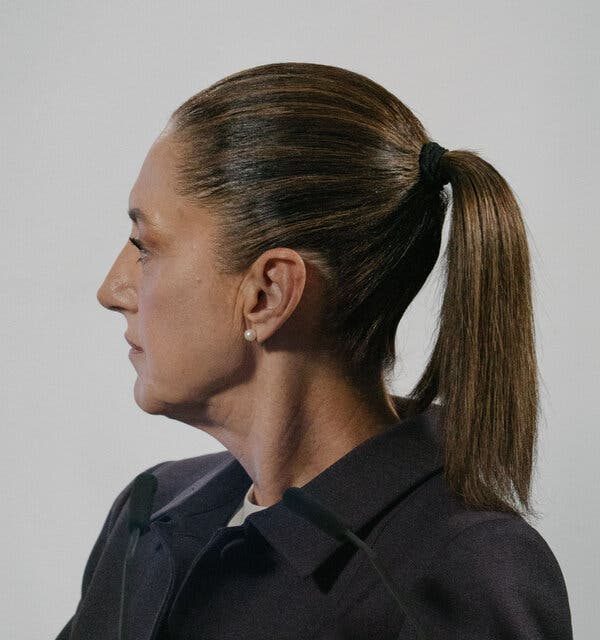
In April, the United States took a decisive step by indicting Rubén Rocha Moya, the governor of Mexico’s Sinaloa state. This action marked a significant shift in U.S.-Mexico relations. Washington was no longer simply requesting Mexico to extradite or arrest individuals linked to drug trafficking. Instead, it was pressing Mexico to dismantle the political protection systems allowing cartel operations in the country.
U.S. prosecutors allege Rocha and other Sinaloa officials facilitated drug trafficking and protected cartels in return for bribes and political backing. Moreover, it is suggested that Rocha, a major supporter of former President Andrés Manuel López Obrador and a key figure in Morena, won his governorship with help from the infamous Sinaloa Cartel. While Rocha denies the charges, the repercussions go beyond him, affecting Mexico’s sovereignty, political dynamics, and international relations with the U.S.
This case raises concerns that cartel influence infiltrates Mexico’s ruling party, posing a significant challenge to President Claudia Sheinbaum. Taking action against Rocha might fracture her political alliance and attract criticism for seemingly capitulating to U.S. pressure. Conversely, inaction, especially if evidence is compelling, may foster U.S. skepticism about her commitment to combating cartel corruption within her government.
Nonetheless, Sheinbaum can transform this predicament into an opportunity. By addressing Washington’s demands, she might initiate a thorough clean-up within her party and beyond, reinforcing her administration’s commitment to combating corruption.
“Narcopolitics have plagued Mexico long before Sheinbaum’s leadership,” and analysts say.
Since Mexico embraced democracy in 2000, ending seven decades of one-party governance, the dissolution of old political systems gave cartels new opportunities to exploit political campaigns and influence local authorities. Although a militarized approach against drug cartels began in 2006, it did not dismantle the political-criminal networks sustaining them. This led to significant national turmoil, marked by violence and disappearances.
Morena emerged in the late 2010s under López Obrador, aiming to disconnect Mexico from its violent past. His policy of “hugs, not bullets” was designed to minimize direct confrontations with criminal factions and emphasize social programs. But in practice, it expanded the cartels’ territorial and social control.
Now, under increased pressure from the U.S., including threats of tariffs and unilateral actions, Morena faces accusations of being entangled in the very narco-corruption it vowed to eradicate. Sheinbaum’s challenge is to navigate these pressures while fulfilling her commitment to transforming Mexican politics.
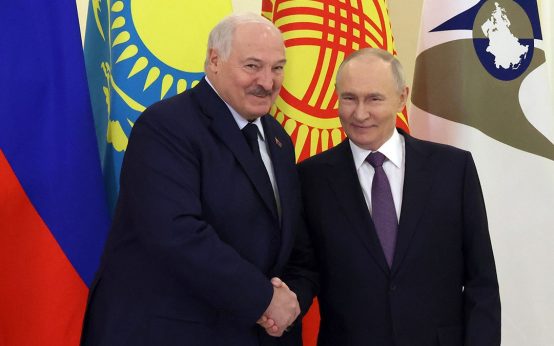 Lukashenko and Putin’s Unique Relationship and Belarus’ Strategic Role
 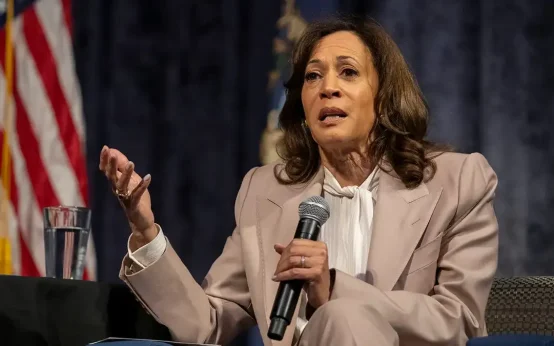 Harris Discusses Potential 2028 Presidential Run
  Far-Left Groups Allegedly Organize Protests in Austin
  Michigan Senate Nominee Abdul El-Sayed Criticized for Remarks on Reproductive Rights
  AFL Investigates Fairfax County Schools’ 9/11 Teaching Guidance
  Poll Reveals Voter Preferences Between Socialist Democrats and MAGA Republicans