
The dynamics in voting patterns in specific geographic regions can profoundly influence legislative seats, especially those that are hotly contested. Understanding these details is crucial for grasping the complexities of regional politics.
June 4, 2026
A child runs over rocks after touching the water at Horsetail Falls, situated in the Columbia River Gorge, Oregon. (Jenny Kane/AP)
By Randy Stapilus
Hood River in Oregon presents a vivid example of a community’s identity and political messaging. When visitors come to this area, a common sight across the windows of numerous downtown shops is a sign declaring, “We are immigrants.” Additionally, you might find signs stating, “No trespassing — no federal agents — agents lacking judicial warrants will be turned away.” These messages convey strong political and social sentiments prevalent within the area.
Such expressions highlight the intersection of local community identity with national political debates. The presence of these signs indicates the firm stance the community takes regarding immigration and federal authority, reflecting broader national discussions in microcosm. These local declarations can influence voting behaviors and consequentially impact the outcomes of legislative contests, shaping the region’s political landscape.
 Calls Grow for Ireland’s Soccer Team to Boycott Matches Against Israel
 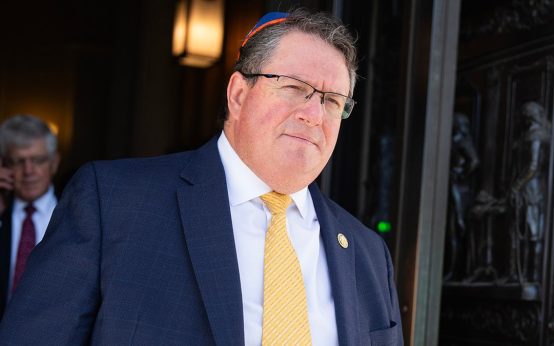 Congressman Randy Fine’s Bold Political Stance and Views on AI Regulation
 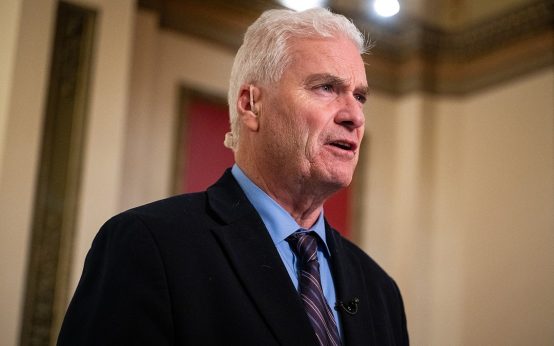 Political Messaging and Strategy Leading Up to Midterms
  President Trump Proposes ‘Super Intelligence’ as New AI Term
  Trump Administration Considers Diesel Export Ban Amid Rising Prices
 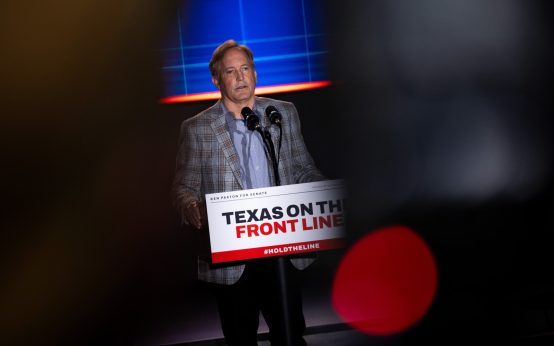 Texas Senate Race Tightens with Shifting Youth Support