Silicon Valley is witnessing a new trend in embryo screening. Startup Herasight has introduced NeuroRisk, a test claimed to screen embryos for autism and schizophrenia. This marks a significant step in the pursuit of genetically favorable traits in offspring.
A family reportedly opted for Herasight’s NeuroRisk, screening their embryos against autism, schizophrenia, and intellectual disabilities. Herasight states that NeuroRisk identifies mutations linked to conditions like severe autism. Jonathan Anomaly, co-founder of Herasight, mentioned that autism is common in Silicon Valley, emphasizing its overlap with traits seen in individuals like Elon Musk.
Herasight’s operations involve analyzing embryo DNA in their Durham, N.C. laboratory. Here, they attempt to estimate the risk of certain mental health conditions. Notably, Musk acknowledged having Asperger’s during a 2021 episode of ‘Saturday Night Live’. Asperger’s, previously classified independently, now falls under the autism spectrum in the DSM-5 as of 2013. Anomaly notes that NeuroRisk does not evaluate Asperger’s specifically, which could limit its assessment of condition severity.
Backed by Draper Associates, Herasight claims innovation by quantifying rare gene mutations crucial for brain development. Following IVF, the test scores these mutations on a scale from 0 to 100, indicating autism risk levels. In their study, they noted a 2.3% autism diagnosis rate among adults with these mutations, compared to 1.4% in those without.
Despite these claims, the broader medical community remains critical. Traditional IVF screenings focus on chromosomal abnormalities and known genetic disorders. Autism, influenced by numerous genetic and environmental factors, lacks a singular causative gene. This complexity questions the efficacy of Herasight’s approach.
The American Society for Reproductive Medicine and the American College of Medical Genetics and Genomics express skepticism. They caution against offering such screenings without robust evidence of their accuracy and safety.
Although not a medical professional, Anomaly defends the potential of current genetic testing, emphasizing its focus on rare mutations rather than widespread genetic differences. Herasight invites scrutiny of its methods by publishing findings online.
The financial implications are significant. Screening costs $25,000 per embryo batch, doubling if spread over several years. Decisions are deeply personal, even among Herasight’s scientists. Spencer Moore, a statistical geneticist at Herasight, faced a choice after testing his embryos. With one embryo at high risk and another moderately so, he and his wife opted for the latter. However, they have yet to succeed with the pregnancy.
Herasight underlines that their scores represent statistical risks, not definitive predictions. They note a highest autism probability of 5.3% in boys and 2.4% in girls. According to CDC estimates, autism affects about 5.4 million adults in the U.S. and is identified in 1 out of 31 children by age eight.
This pursuit raises ethical debates. Some in the tech industry, including rivals like Orchid, engage in similar screenings. Prominent figures, such as those connected to Elon Musk, reportedly use these services to screen for intelligence and other traits.
Opposition from advocacy groups echoes concerns about genetic testing’s intentions. The Autistic Self Advocacy Network resists practices aimed at preventing autism genetically, favoring the elimination of societal ableism.
Critics like Harvard geneticist Sasha Gusev accuse Herasight’s methods of verging on eugenics. Anomaly’s past academic work defends choosing traits, arguing for deliberate parental choices in genetic contexts. He acknowledges that selective embryo testing may reduce disability prevalence but insists it reflects parental risk minimization rather than devaluing those with disabilities.
 AI Manipulation and Human Vulnerability
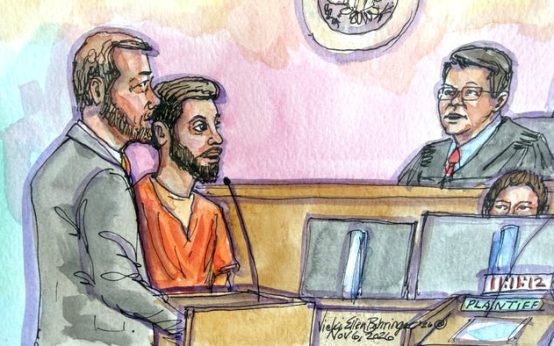 Saudi Engineer Faces Charges for Alleged Espionage at OpenAI
 Waymo Halts Robotaxi Service in San Francisco Due to Flooding Risks
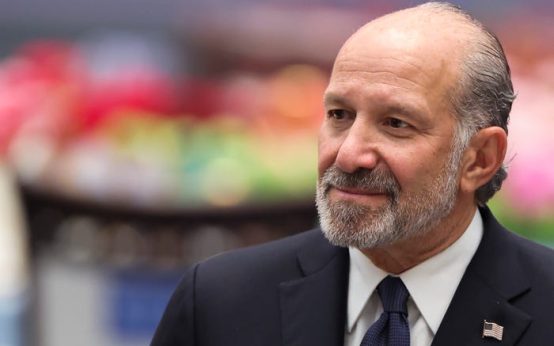 US Commerce Department to Blacklist Megaspeed Amid Controversy
 Humans May Lose Control Over AI as Superintelligence Emerges
 Trump’s Influence on Nvidia and Jensen Huang’s Return