Worker Health Concerns in California
Hundreds of workers in California who cut and shape engineered-stone countertops have developed silicosis, an incurable lung disease caused by inhaling fine silica dust. A report from the California Department of Public Health (CDPH) identified 592 confirmed cases between January 2019 and June 2026. Tragically, 31 workers have died and 65 have required lung transplants.
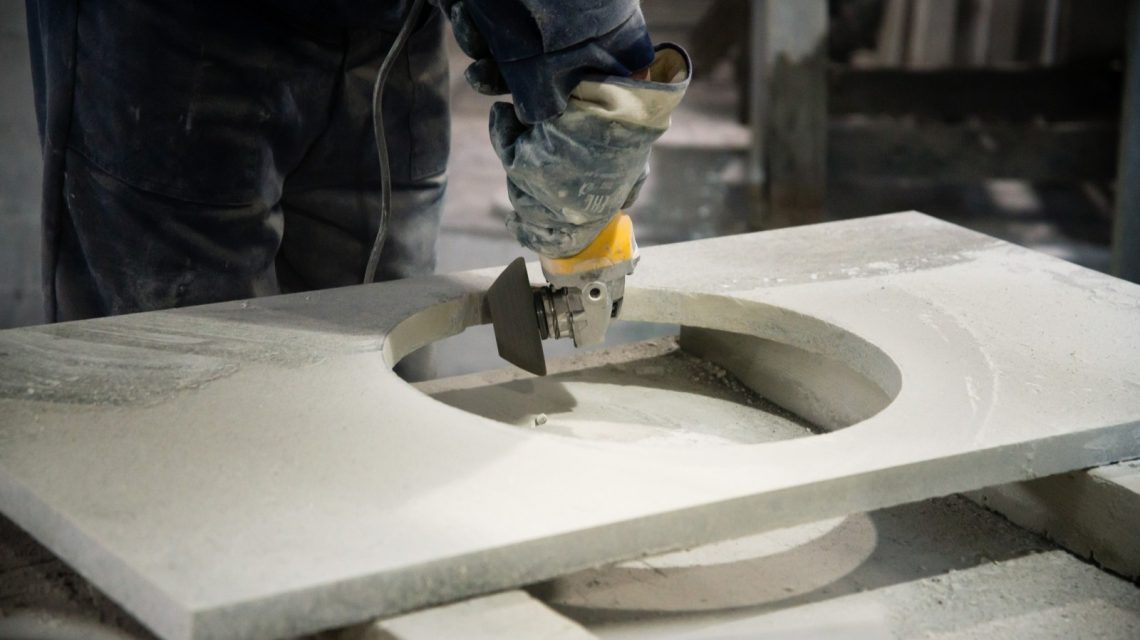
The revelation highlights the dangers faced by workers who manufacture, cut, grind, polish, and install engineered-stone countertops, often marketed as quartz.
Tracking the Disease
Since 2019, California health officials have been monitoring the progress of silicosis. The state notes that engineered stone can contain over 90 percent crystalline silica, making the cutting or grinding of these materials a significant risk due to airborne silica particles.
California officials contacted the U.S. Department of Health and Human Services for comment on the issue.
Understanding Silicosis
Silicosis is a progressive, incurable lung disease caused by inhaling respirable crystalline silica. The particles can be released into the air when silica-containing materials are cut, drilled, ground, or crushed. Once inhaled, these particles can lodge deep in the lungs, leading to inflammation and scarring.
This damage is irreversible, potentially leading to disability or death. Silica exposure is also linked to severe conditions like lung cancer, chronic obstructive pulmonary disease, kidney disease, and autoimmune conditions.
Symptoms and Prevention
Individuals may experience symptoms such as persistent coughing, fatigue, shortness of breath, and chest pain. Importantly, silicosis can develop without noticeable symptoms, which can delay diagnosis and treatment.
Though silicosis is not reversible, it is preventable according to the National Institute for Occupational Safety and Health (NIOSH).
Extent of the Problem
David Michaels, report co-author and George Washington University professor, states that the recorded cases in California might be only a portion of the national issue.
He urged healthcare practitioners and public health agencies to actively identify cases and work towards halting the epidemic to save lives.
While silicosis can take years to develop, high levels of silica exposure can expedite and worsen the condition.
State Comparisons
California’s situation represents the largest U.S. cluster, but similar cases have appeared in other states. A 2019 CDC report identified 18 cases across California, Colorado, Texas, and Washington, including two deaths. Most affected workers had primarily worked with engineered stone and were under 50 at diagnosis.
Worker Awareness and Safety
California’s affected workers are mostly young immigrant men from Mexico and Central America. Many cases involved poor dust control and delayed diagnosis.
NIOSH and OSHA updated hazard alert warnings concerning respirable crystalline silica dust for workers involved with stone countertops. Workers should notify healthcare providers about their exposure history, especially if they worked with engineered or quartz stone.
Workers experiencing symptoms like persistent coughing or breathing challenges should seek medical advice. Those exposed should discuss occupational risks with healthcare professionals, even without symptoms.
Employers should use measures to control silica dust, as recommended by federal guidelines. Strategies include wet cutting, local exhaust ventilation, and enclosures to limit airborne silica. Respiratory protection may be necessary depending on exposure levels.
The primary risk arises from inhaling silica dust during work tasks rather than using quartz countertops at home.
 Rising Support for Medicare for All in the United States
  Controversial Death in Russia Sparks Concerns
  10 Key Principles for Healthy Longevity
  Russian Scientist’s Death Raises Concerns Over Plague Exposure
  Alan Alda Reflects on Life, Career, and Parkinson’s
  Voice Disorders Linked to Dementia Risk