Recently in Dallas, during the midterm convention, Vice President JD Vance was highlighted by Republicans to lead their efforts towards November. His speech focused on America’s future and could easily resonate with the community of St. Cloud, Minnesota.
In his remarks, Vance emphasized the importance of American businesses hiring American workers. He stated, “I want, whether they work in tech or manufacturing, American businesses to hire American workers, to rely on American people and to ensure that we build the next generation of great American products with American hands.” His words could practically echo through St. Cloud’s historic downtown, though the city, home to about 80,000 people, seems caught in a sort of limbo.
On one hand, St. Cloud’s thriving businesses paint a positive picture. It’s not common to see packed restaurants during weekday lunches in small metropolitan areas. Volunteers were observed painting sidewalk planters, indicating civic engagement. On the other hand, nearly half of the commercial spaces remain vacant, similar to a handsome hockey player with missing teeth. Foot traffic doesn’t yet suffice to support additional businesses.
Locals reflect on the town’s changes over the years. Rob, who attended a nearby university in the early 2000s, remembers a bustling downtown filled with activity at night. “Better these days, better since COVID, but it’s kind of plateaued,” he commented, a sentiment echoed by others. Janice, in the real estate industry since the 1990s, noted the downturn started earlier, with Herberger’s department store closing in 2018.
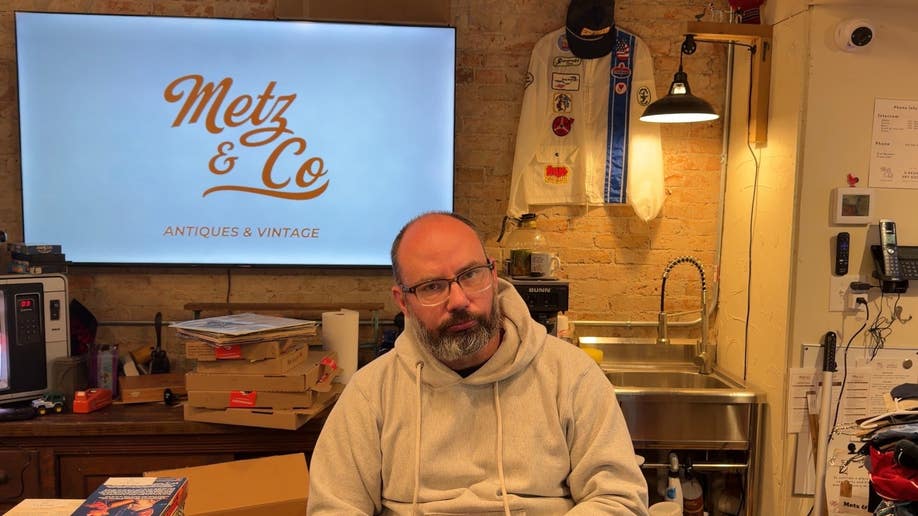
Yet, signs of growth are visible. Chad O’Brien opened a vintage store downtown in March 2025 after Trump’s inauguration and has since expanded to two stores on the same block. He praised the match between the city’s draw and his business model, although more local residents would be beneficial.
Vance’s mission to reshore manufacturing aligns well with St. Cloud’s needs. Even a few businesses adding thousands of jobs could revive the city. A major plant with 1,500 factory jobs and a tech firm employing 300 to 500 people could invigorate the area. In small cities, such changes have significant impacts.
St. Cloud also grapples with issues surrounding its Somali immigrant community. This challenge includes a major federal fraud scandal. Even on a ride back to the airport, Lynn, involved in the beauty industry, recounted a conversation where an immigrant woman discussed renting out her government-subsidized housing for cash, illustrating the fraud issue.
Efforts led by Vance aim to tackle such fraud. Nonetheless, the cultural aspects of this issue are more complex. Opinions vary within the community. Trey, a sales manager, appreciates his Somali employee’s efforts but notes concerns about younger generations becoming Americanized.
Some locals, like a gentleman at a lounge, argue there’s no downside to Somali immigration, viewing only racism as a counterargument. Such viewpoints reflect the broader national debate around immigration and assimilation.
In places like St. Cloud, where a unique American small-town character endures, Vance’s message resonates. His emphasis on reshoring jobs and prioritizing American workers strikes a chord. As Vance rallies support for the midterms, these communities highlight both the challenges and opportunities of his vision.
 Ex-Athletes in Senate Champion College Sports Reform
  Judge Restores CNN’s Access Amidst Media Tension with Trump
  Prospects for Negotiated Solution to Iran Conflict
 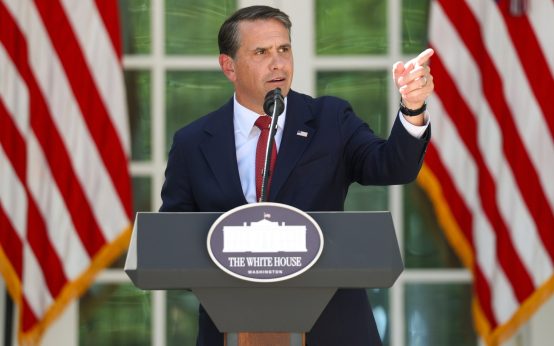 Attorney General Todd Blanche Defends Trump Administration’s Restrictions on News Outlets
  Tensions Rise Between Trump and Florida Republican Maria Salazar
 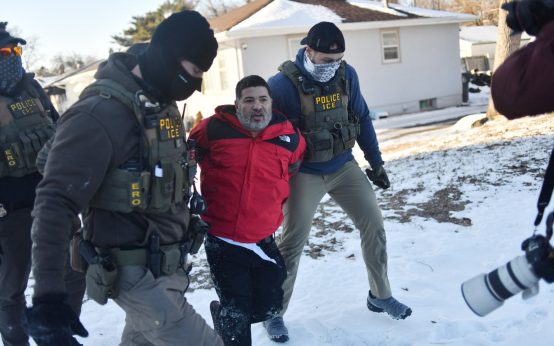 DHS Claims Mass Deportations Affect Housing Rent