Initiative for College Sports Reform
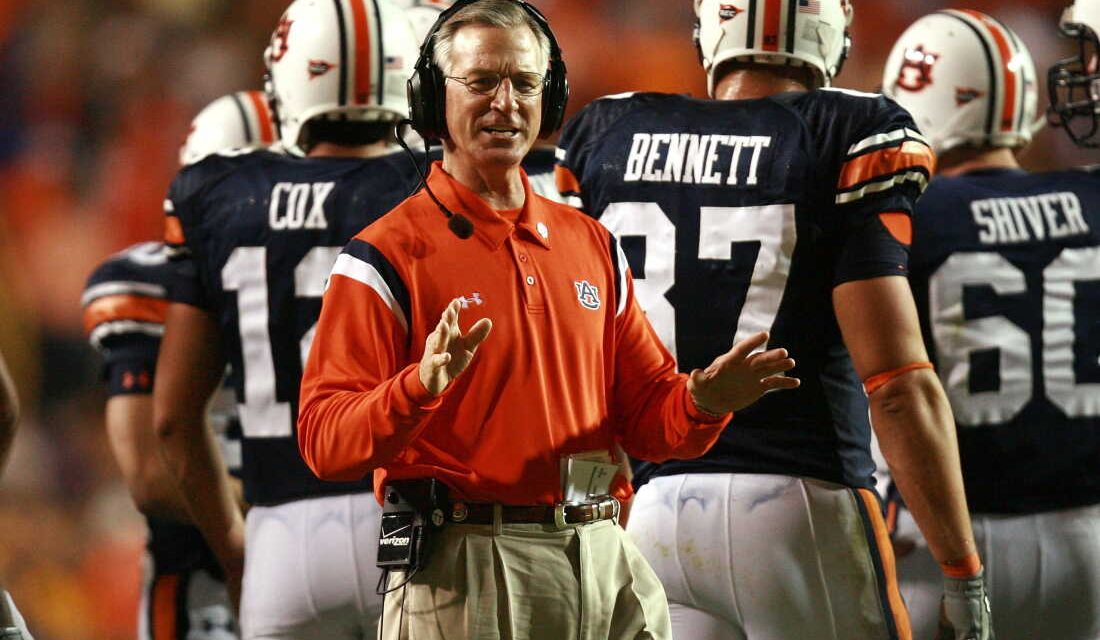
Tommy Tuberville, an ex-collegiate football coach turned Alabama Republican senator, is now a key figure championing the Protect College Sports Act in Congress. He joins several former collegiate athletes who are now senators playing a pivotal role in shaping this legislation. With the bill set to pass the Senate shortly, proponents argue its necessity in addressing chaotic aspects in Division I athletics. These include the rise in athlete compensation, frequent school transfers, ongoing eligibility disputes, and unchecked athletic department budgets.
Senators’ College Sports Backgrounds
Senators like Tuberville bring firsthand experience from their athletic days. Tuberville, notably spent years in college sports coaching teams like Ole Miss and Auburn before retiring after a lawsuit challenged NCAA’s amateurism traditions. The rise of name-image-likeness (NIL) payments has significantly altered college sports, allowing athletes in sports like football and basketball to earn considerable sums. Tuberville acknowledges the need for athletes to receive compensation while expressing concerns over other changes, particularly around eligibility rules and transfer policies.
Among others involved, Jim Justice played golf at Marshall, Ron Wyden held a basketball scholarship at U.C. Santa Barbara, and Dave McCormick co-captained West Point’s wrestling team. Cory Booker, a Democrat from New Jersey, played football at Stanford during the onset of big-money college football. He observed unfair economic dynamics experienced by his fellow teammates, prompting him to advocate for reforms.
Challenges and Proposals in Legislation
Senator Booker continues to oppose aspects of the bill, proposing amendments like capping coaches’ salaries at $5 million. USA Today reports indicate nearly 50 football coaches exceed this salary. The current bill proposes increasing direct payments to players significantly, regulating NIL deals, and offering conference media rights options. It aims to safeguard women’s and non-revenue-earning Olympic sports while preventing ‘super conferences’ with size restrictions.
Missouri Republican Senator Eric Schmitt, a former two-sport collegiate athlete, has been involved in the bill’s negotiation process, emphasizing resilience derived from his sports experiences. Despite initial resistance to federal involvement in college sports, Schmitt and others have collaboratively developed this bipartisan bill, now nearing Senate approval with anticipated broad support.
Senate Overcoming Partisan Barriers
The upcoming Senate vote on Monday marks a significant milestone in college sports reform. With bipartisan backing, the bill could reshape athletics significantly, albeit its uncertain passage through the House, which remains adjourned until November midterms.
 Judge Restores CNN’s Access Amidst Media Tension with Trump
  Prospects for Negotiated Solution to Iran Conflict
 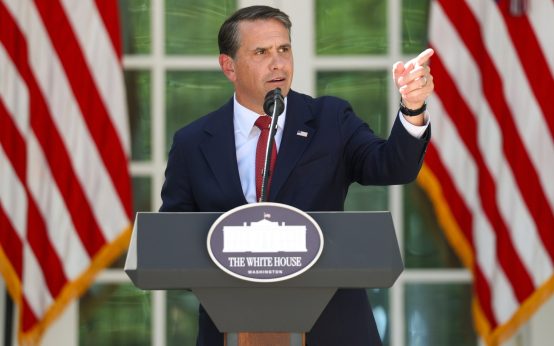 Attorney General Todd Blanche Defends Trump Administration’s Restrictions on News Outlets
  St. Cloud, Minnesota: A Microcosm of National Challenges and Opportunities
  Tensions Rise Between Trump and Florida Republican Maria Salazar
 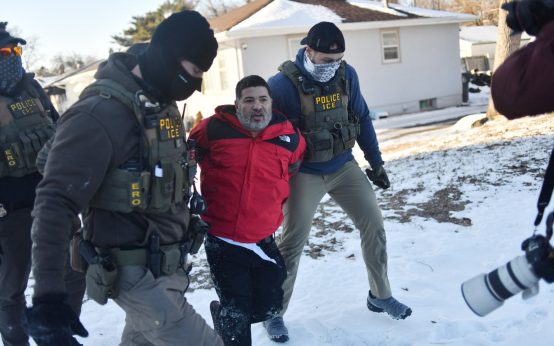 DHS Claims Mass Deportations Affect Housing Rent