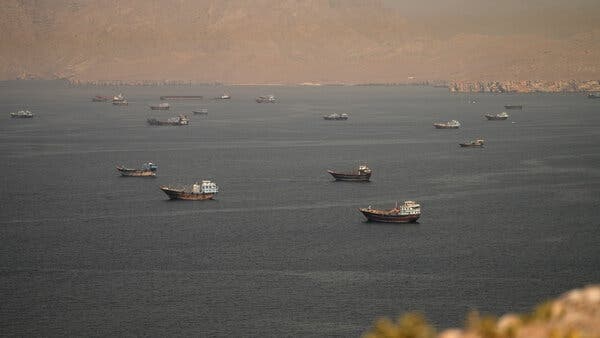
The Strait of Hormuz remains a contentious issue between the United States and Iran. Conflicting reports emerged over the weekend regarding its accessibility to shipping.
On Saturday, Iran’s military announced the closure of the waterway. This strait is crucial, previously facilitating a significant portion of global oil supply, which has become central in ongoing U.S.-Iran discussions aiming to resolve conflict.
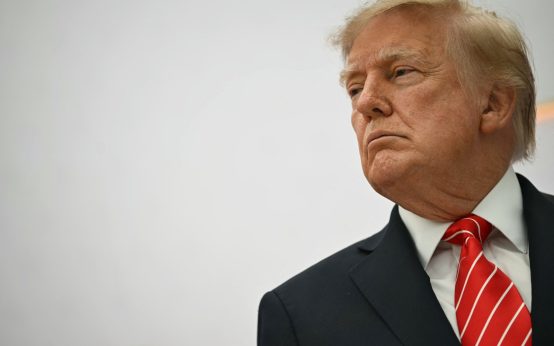
President Trump issued a stern warning to Iranian officials, as reported by Fox News. He stated, “You close it and you won’t have a country.” The remarks came amid Vice President JD Vance’s diplomatic engagements with Iranian officials in Switzerland.
Iran cited breaches of a preliminary cease-fire by the U.S., accusing it of not controlling Israeli actions against Hezbollah in Lebanon. Iran’s Revolutionary Guards Corps cautioned ships against entering the area.
Contrasting Iran’s stance, U.S. Central Command asserted the strait remains open. Captain Tim Hawkins reported monitoring efforts to maintain traffic flow.
Ship tracking data, albeit limited to those with active transponders, showed reduced passage through the strait’s northern route post-Iranian threats.
Maritime analyst Daniel Mueller noted the precarious situation, pointing out Iranian claims of closure without reported attacks. Ambrey reported the ongoing tensions likely impacted transit numbers.
Updates from Windward revealed a drop in vessel transits compared to earlier figures. Despite Iranian claims, U.S. Central Command disclosed 55 ships navigated the strait on Saturday, a notable figure, although less than prewar averages.
Energy Secretary Chris Wright confirmed 67 shipments utilized a U.S.-guided southern lane to circumvent mined areas.
Ships tend to deactivate transponders, enhancing unpredictability in the strait. Windward warned of persistent hesitation in navigating this crucial corridor.
Reporter Leo Sands covers international developments from The New York Times Breaking News Hub in London.
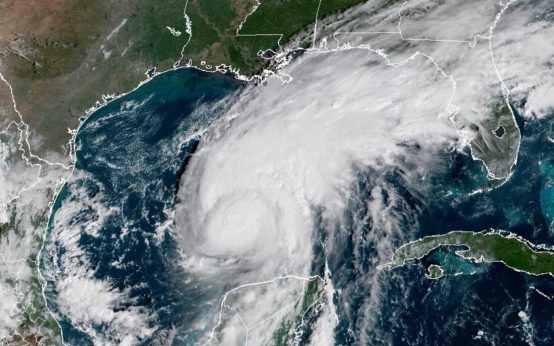 Hurricane Isaias Approaches U.S. Gulf Coast
 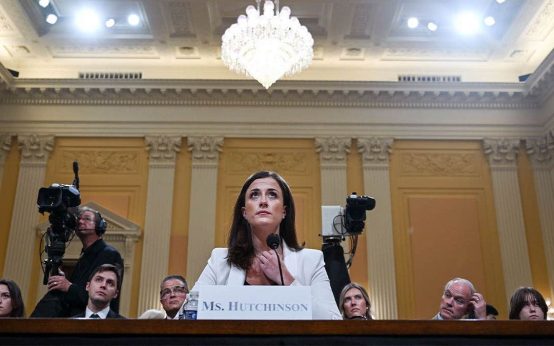 Jack Smith Faces Senate Judiciary Committee Over Trump Probes
 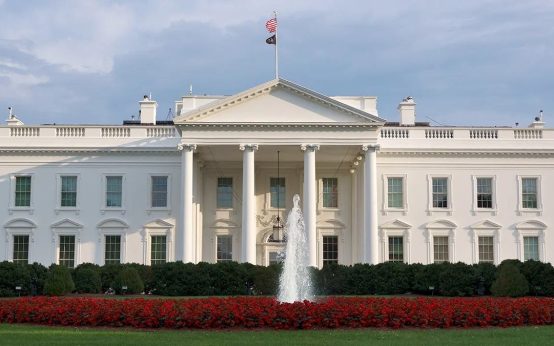 Arizona Man Arrested for Alleged Bomb Threats Against White House
  President Trump Urges Minnesotans to Respond to Somali Immigrants
  U.S. and Zambia Modify Health Agreement After Controversial Provisions Dropped
  Cornell University Sexual Assault Allegations and Investigation Developments