
During the United Nations General Assembly in New York, an event by The David Network focused on the Pentagon’s Office of Strategic Capital (OSC). The David Network links conservative students, alumni, and young professionals with mentors and employers in key sectors like technology, finance, public policy, and defense. The contrast between the Assembly and OSC’s mission underscores a fundamental difference in approach to global security.
United Nations vs. OSC
The General Assembly seeks a world without weapons through resolutions and discussions. However, the effectiveness of these efforts is limited. In reality, peace often depends on power supported by arms. This pragmatic view is shared by those at the OSC event, emphasizing the active work required to ensure U.S. security.
OSC’s Role and Trump’s Influence
Having spent many years alongside Donald Trump, I understand his approach to challenges as strategic deals requiring swift and optimal outcomes. The OSC’s reinvigoration under Trump’s administration transformed it from a dormant body into a critical tool for national security. OSC focuses on leveraging advancements in technologies crucial for defense, like satellites and drones, to maintain U.S. military superiority.
The Mission and Achievements of OSC
OSC identifies vital technologies where dependency on others must be minimized. Collaborative efforts are fostered between private investors and OSC, facilitating growth and building essential infrastructures that bolster national capability fast. Noteworthy achievements include a $150 million loan to MP Materials for rare earth processing and $820 million to Performance Drone Works to boost drone manufacturing.
Engagement with the Private Sector
What sets OSC apart is its proactive engagement with industry challenges. The team directly queries private companies about obstacles hindering progress. This open dialogue contrasts with typical Washington practices and adopts a stance of humility and continuous learning to enhance market competition and innovation in defense sectors.
Long-Term Strategic Procurement
The shift towards multiyear procurement strategies is fundamental. A stark example is the Pentagon’s agreement with Lockheed Martin worth up to $58.6 billion over seven years, enhancing production of vital interceptors. These long-term commitments establish robust industrial bases, accelerating essential defense capabilities.
Defense and Reality of Warfare
Critiques of missile launches against Tehran understate their strategic necessity. These interceptors are vital to counter threats effectively, aligning resources to ensure rapid replacement rates. OSC’s strategic actions bolster U.S. defenses, ultimately safeguarding national interests and countering adversarial strategies.
The OSC’s Approach
OSC’s method marries private sector expertise with governmental outreach. This sustained involvement ensures continuous progress and strategic alignment, mirroring effective investment practices expected by Trump’s administration.
The U.N. speeches concluded with minimal impact. Meanwhile, OSC continues its pivotal role in fortifying U.S. and allied security through active and strategic measures.
Jason D. Greenblatt was a key figure in the first Trump administration and is an established author and entrepreneur.
 Democratic Candidate Mary Peltola Challenges Republican Incumbent in Alaska
 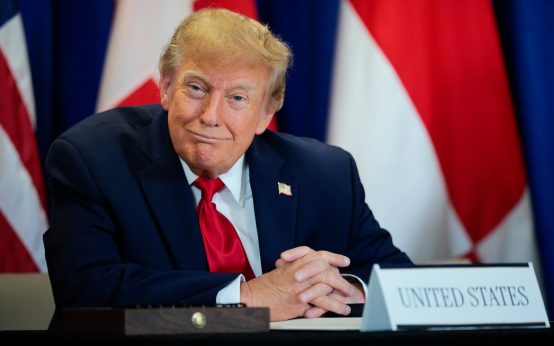 Comparison of US and Canadian Unemployment Rates Amid Trade Tensions
 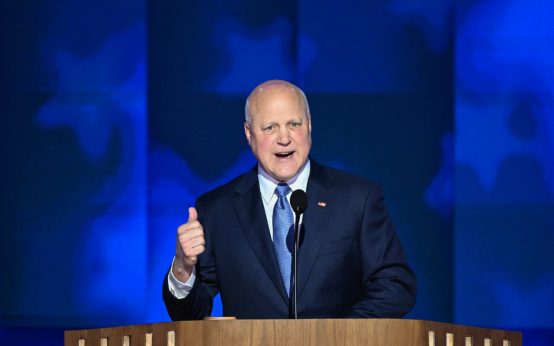 Mitch Landrieu Contemplates Presidential Run and Discusses Political Landscape
  News Outlets Seek Court Intervention Against Trump’s Ban
  DHS Warns Migrant Caravan Heading to U.S.-Mexico Border
  Vandalism at Senator Susan Collins’ Office Amid Election Contest