A new K-12 school in New York City features six dance studios, a rooftop field, and offers logic lessons from the LSAT to middle school students. High schoolers take up to five AP classes aiming for Ivy League admissions. Yet, this is not a private school but the first standalone campus for Success Academy.
Founded in 2006, Success Academy previously utilized existing buildings, sharing space with public schools. The new Bronx campus opened in August, serving 2,400 children selected by a lottery. It’s the first purpose-built facility for the Academy.
Building a Point
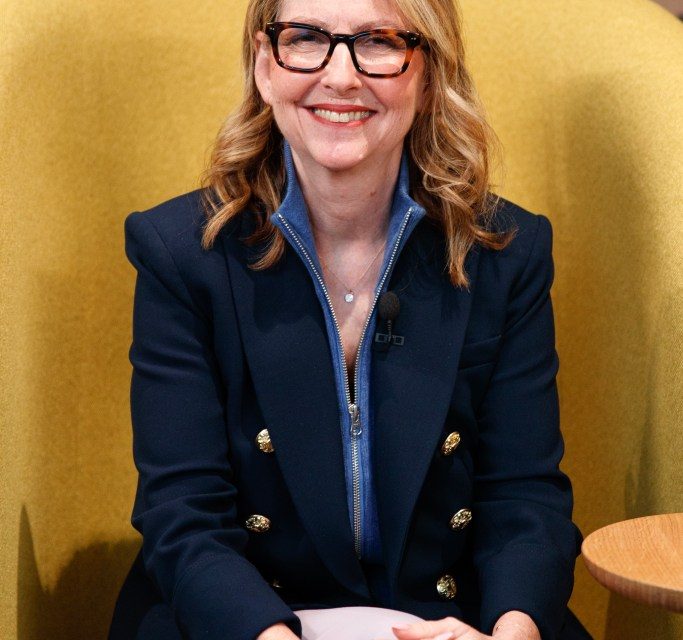
Eva Moskowitz, Success Academy founder and CEO, launched the network 20 years ago. She chose to build this school in America’s poorest congressional district to demonstrate a belief that student capability isn’t the issue, but the failing educational system is. Housed in a beautiful six-story, 300,000-square-foot structure, the school includes a 300-seat auditorium, a two-story gym, ceramics studios, and rooftop terraces. The building cost $245 million, significantly less than the potential cost through the School Construction Authority.
Student Experience and Academic Expectations
Audrey, a junior whose favorite subject is AP physics, has been at Success Academy since third grade. She highlights the new campus, noting its transformative impact. The school challenges the notion that charter schools select only top-performing students or rely on small class sizes. Ninety-four percent of the student body comes from economically disadvantaged backgrounds.
Despite stringent standards, the school boasts classes of 40 students selected at random. The Academy emphasizes a “culture of excellence” with extended school hours from 7:30 a.m. to 4:30 p.m. This schedule incorporates academics and co-curriculars like chess, dance, and art, treating them as vital as academic subjects.
Success Academy enforces punctuality, with students commuting up to two hours. Absenteeism can lead to repeating a grade. The school’s principal, Shannon Beatty, observes early arrivals every morning, demonstrating parents’ commitment to their children’s education.
Establishing Confidence and Gentility
The academy fosters traditional values and expectations. Elementary students transition quietly between classes accompanied by classical music. “Habits of the mind” include teaching students courtesy, neat writing, and professional communication. AP courses begin in eighth grade, emphasizing early academic rigor.
Moskowitz believes in nurturing a culture where achievement is rewarding for students. This educational approach has led to every graduating senior being accepted to a four-year college over the past nine years.
Creating Opportunities and Overcoming Obstacles
The Academy offers various dance classes as electives, promoting an equal emphasis on arts. Moskowitz stresses the importance of phonics in reading programs despite the broader educational trend shifting away from the method.
Despite opposition from teachers’ unions and political entities, Moskowitz remains steadfast in her advocacy for educational reform. Lawsuits by unions aim at hindering Success Academy’s operations. Moskowitz’s politics, as a liberal Democrat in favor of school choice, also invite scrutiny.
The argument for more funding in public schools is countered by Moskowitz with New York City’s high per-student spending. Success Academy constructed its new campus at 43% of what the School Construction Authority would have spent. Future plans include a graduate school of education and expansion to Florida, showcasing a commitment to expanding successful education models beyond New York City.
Moskowitz concludes with a call to action, emphasizing the moral and societal imperative to not accept educational failure.
 Hunter College Cultural Arts Night Cancellation Sparks Controversy
 Brian Horn to Lead Evergreen Park High School as New Superintendent
 Allegations of Anti-Jewish Discrimination at CUNY School
 School Choice and the Texas Education Debate
 Deaf Student-Athlete Kaleb Phifer Secures College Football Scholarships
 Teaching Assistant in Los Angeles Arrested for Child Molestation